
DIRECTOR'S SELECTION | Elsewhere
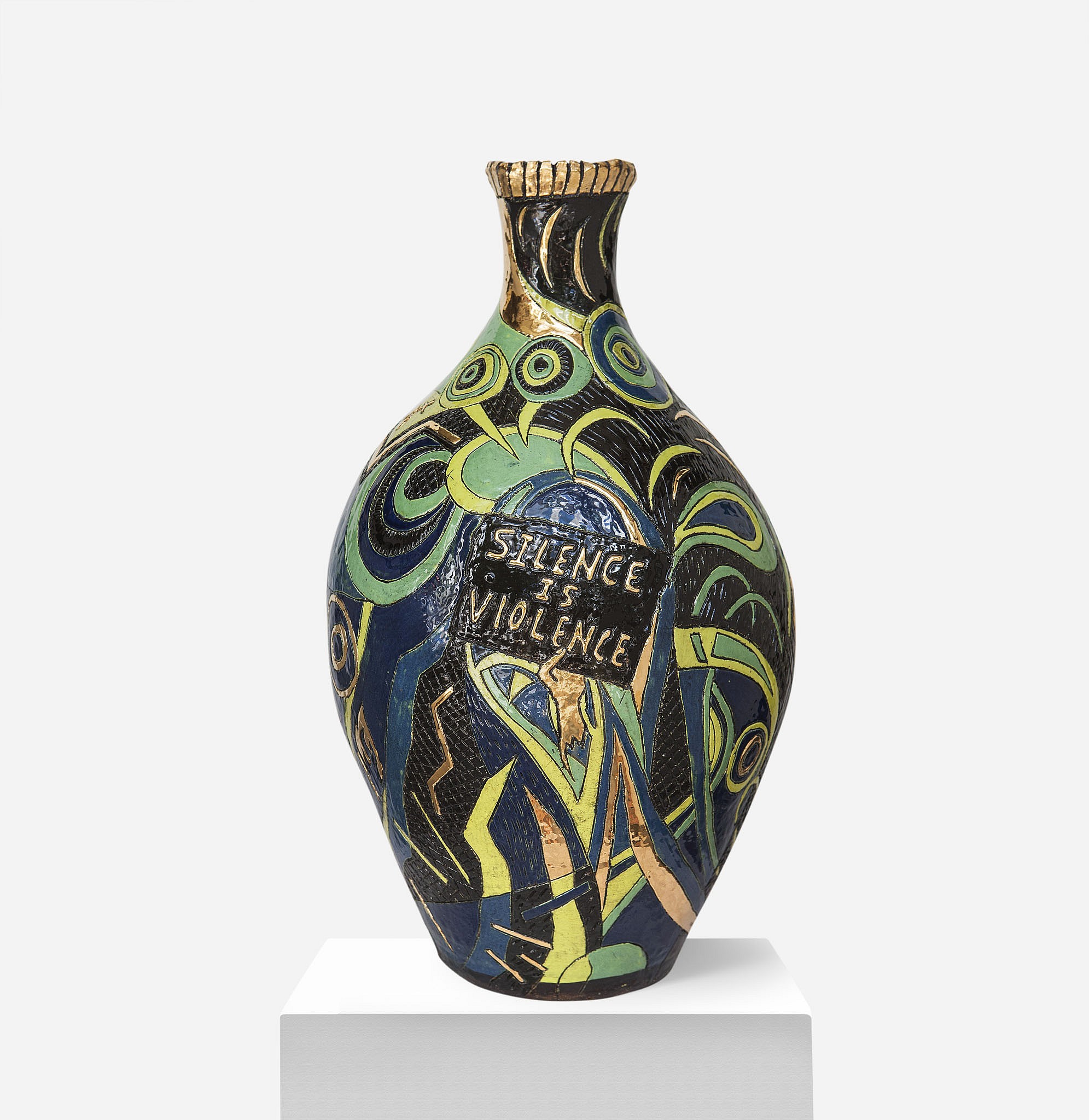
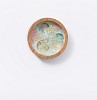
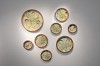
LUCINDA MUDGE, Silence is Violence / Turn Up The Music (after Emilio Pucci)
Glazed ceramic, gold lustre, 50 cm


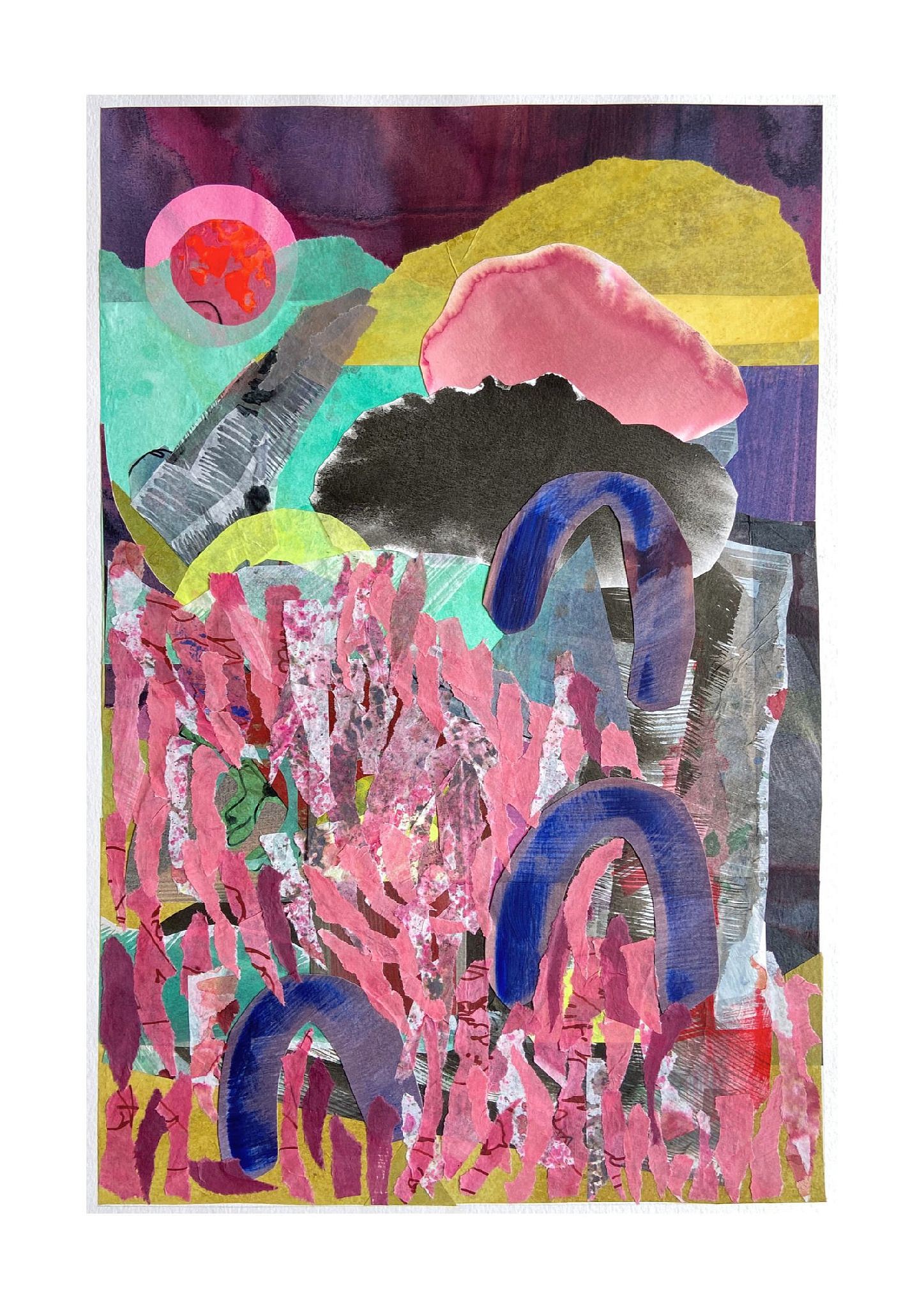

EMALIE BINGHAM, An Ordinary Day 27.04.23
Collage, 42 x 29.7 cm
‘My work is centred around emerging and shifting patterns of transformation, connection, and possibility. Both technically and conceptually, I seek to deconstruct and subvert binary paradigms, towards an alternative narrative of fluidity, possibility, and inclusion. I create, collect, dismantle, and redesign marks as symbols, developing a system of abstract signs through form, material, and process. This particular visual alphabet consists of offcuts, incidental strokes, and more intentional, repetitive explorations of personally significant objects. The compositions impose a kind of visual ‘dyslexia’, requiring imaginative readings beyond familiar patterning of ‘language’, and so what each mark represents may depend on interpretation. The emergent abstract designs pose questions and open dialogue around notions of framing, visibility, belonging, transition, chaos, deviance, and perception.’
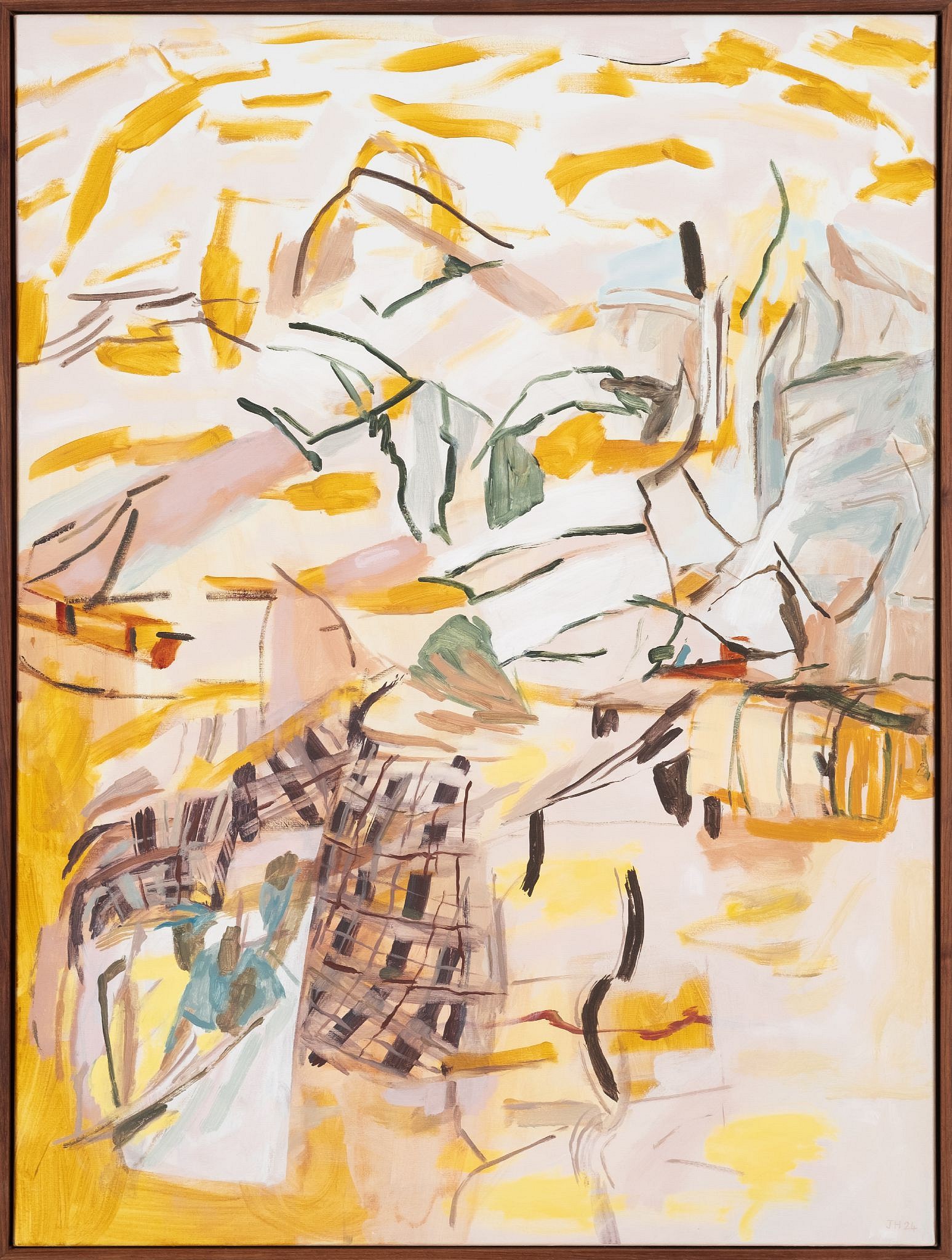

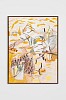
JEANNE HOFFMAN, A Long Wind, Carrying Bird Calls
Acrylic on canvas, 80 x 60 cm
Working across diverse mediums and far flung geographies, artist Jeanne Hoffman revels in the spaces between things.
Hoffman’s process begins with collage and continues through painting; fragments collected and recollected through a series of poetic responses and gestures. At times, references are recognisable; at others, illegible, pre-verbal marks and traces speak of the untamed, of peripheral presences, fugitive fragments hovering in the corner of the eye, burgeoning suggestions on the tip of the tongue. These fragments of experience and sensation make impressions on the unconscious mind and continue materialising on the canvas.

PENELOPE STUTTERHEIME, Weaver II
Oil on canvas, 75 x 80 cm
Depicting inner landscapes has long been South African artist Penelope Stutterheime’s preoccupation. Drawing inspiration from dreams and the unconscious, her layered and textured oil paintings use impasto and intensely vibrant colour to create mesmerising abstract works.
Stutterheime’s work is highly symbolic. Conveyed through colour and form, the images are a representation of transformation and resolution. Her paintings are a portrayal of her own inner spiritual process and the traversing of personal and collective boundaries. The artist explains further:
‘The work reveals a slow unfolding, which continues still, of finding my voice, my dance, my melody. It is nourished by intense feeling, emotion contained on a white canvas, to be felt, to be experienced, to be read from the place where no words yet lie’.
Stutterheime’s process of making is intuitive and organic, the flat forms she places onto the canvas present a diffused sense of energy. The daughter of a forester, Stutterheime developed her intense love for landscape as a child, growing up in Newlands Forest, Cape Town. She also credits this for her particular and unique love of the colour green and its continuous presence throughout her works, identifying it as a soothing and comforting colour. Stutterheime lives and works in Cape Town. She studied part-time with the artist Simon Stone and the late Bill Ainslie, one of South Africa’s finest abstractionists, but aside from this is largely self-taught. She has participated in solo and group exhibitions consistently over the past thirty years. Her paintings are included in private and corporate collections around the world.


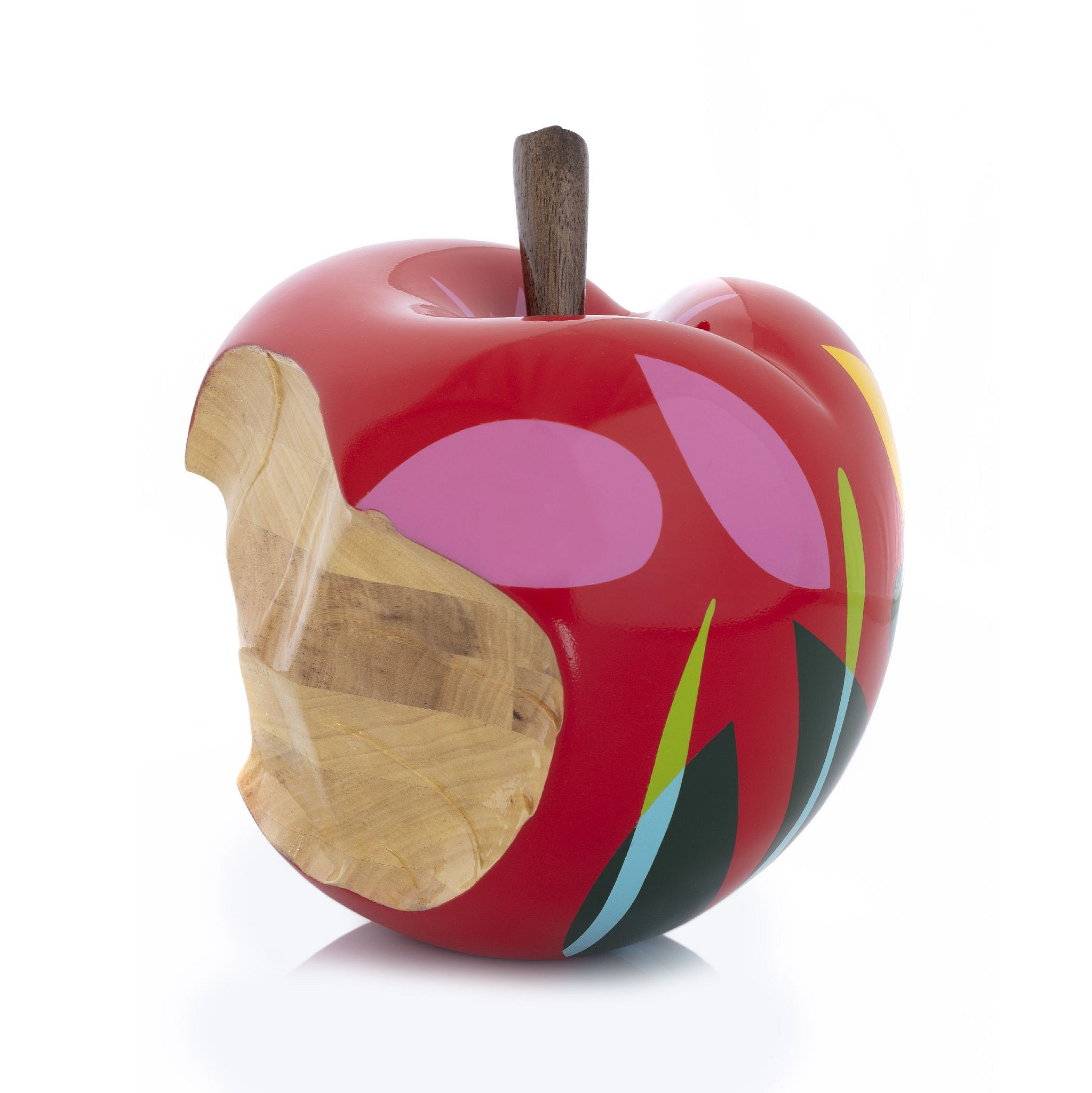
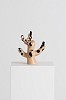
ATANG TSHIKARE, Setlhare III
Wood, 35 x 28 x 17 cm
Atang Tshikare is a Cape Town-based, self-taught multidisciplinary artist. Tshikare was influenced from a young age by the visual storytelling and graphic style of his father, an anti-Apartheid activist and illustrator for various pan-African publications and art magazines. Through his practice, Tshikare expresses his distinct, visionary African identity through a unique visual language, developed over his career. Over the last twenty years, his practice has evolved from street art and drawings to limited edition collectible design, intersecting sculptural furniture and functional art, moving more recently to three-dimensional visual art. Drawing on a deep connection to his own Tswana heritage and other southern African cultures, Tshikare’s experimental approach to creating work includes various mediums, such as bronze, ceramics, glass, stone, and wood. His work takes inspiration from his fascination with zoomorphic shapes, biomorphic forms, vernacular architecture, and local landscapes. Each form strikes up a dialogue between natural and manmade materials that are organic, minimalistic and invite tactile curiosity.

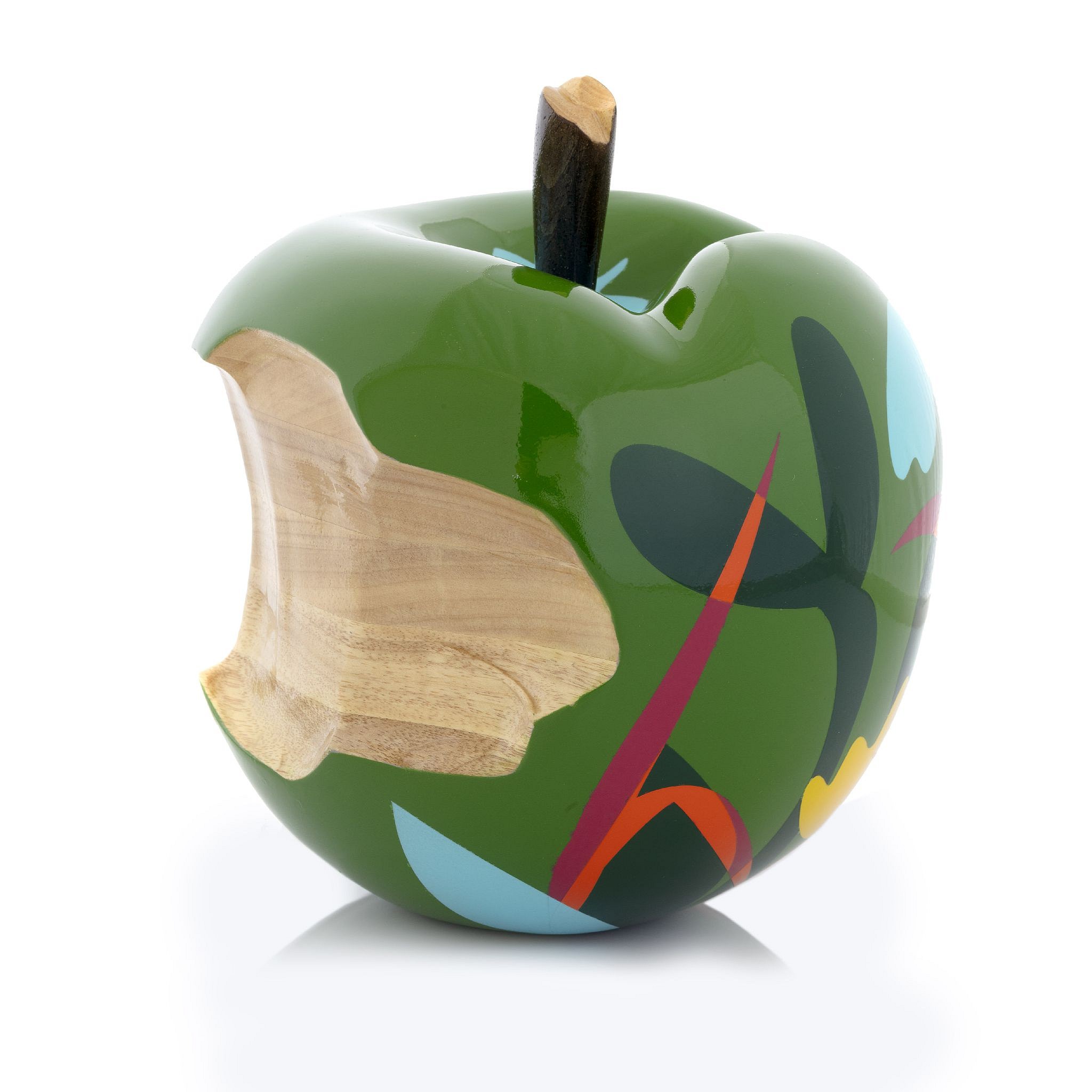
ATANG TSHIKARE, Setlhare IV
Wood, 23 x 22 x 16 cm
Atang Tshikare is a Cape Town-based, self-taught multidisciplinary artist. Tshikare was influenced from a young age by the visual storytelling and graphic style of his father, an anti-Apartheid activist and illustrator for various pan-African publications and art magazines. Through his practice, Tshikare expresses his distinct, visionary African identity through a unique visual language, developed over his career. Over the last twenty years, his practice has evolved from street art and drawings to limited edition collectible design, intersecting sculptural furniture and functional art, moving more recently to three-dimensional visual art. Drawing on a deep connection to his own Tswana heritage and other southern African cultures, Tshikare’s experimental approach to creating work includes various mediums, such as bronze, ceramics, glass, stone, and wood. His work takes inspiration from his fascination with zoomorphic shapes, biomorphic forms, vernacular architecture, and local landscapes. Each form strikes up a dialogue between natural and manmade materials that are organic, minimalistic and invite tactile curiosity.
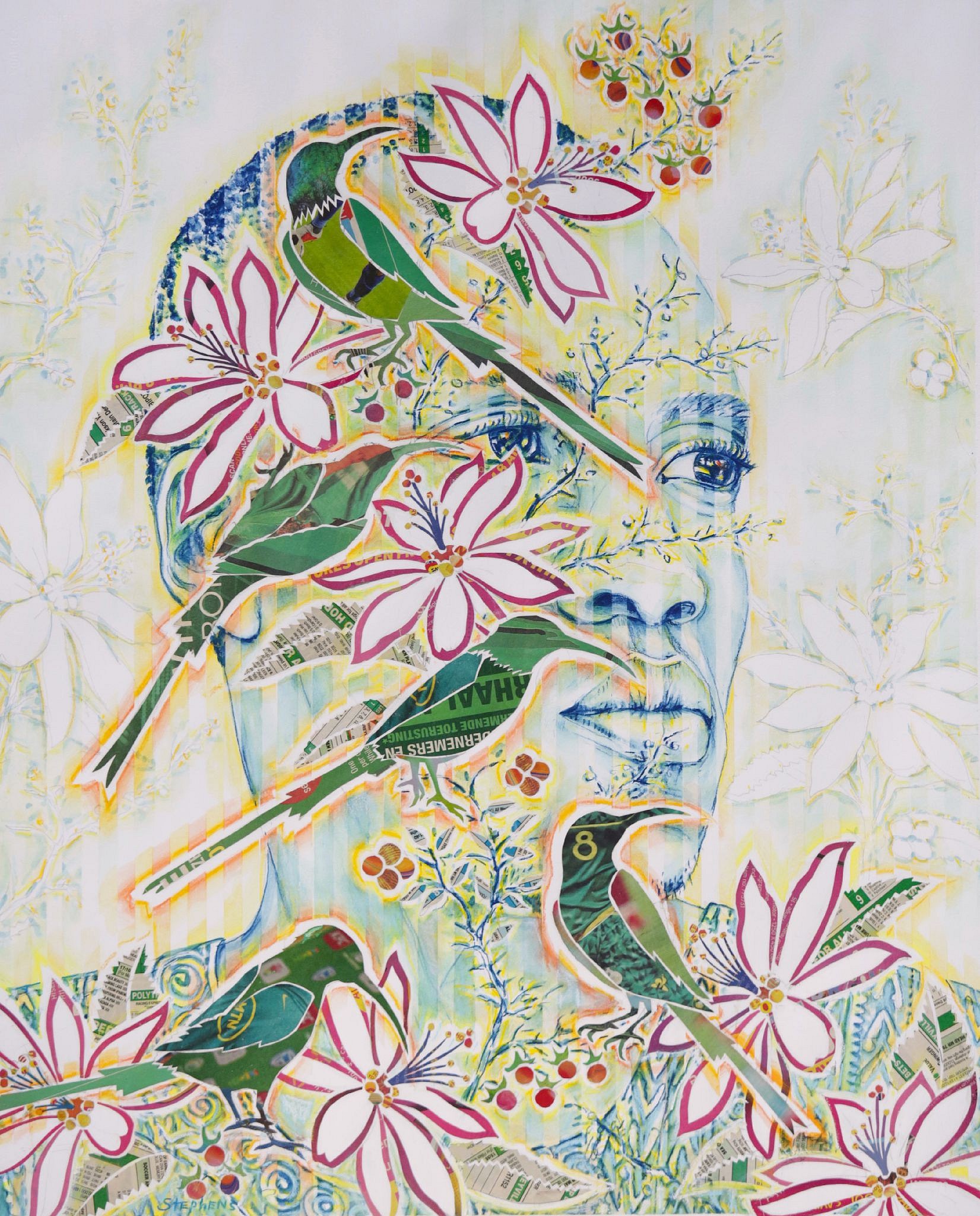
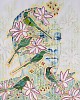

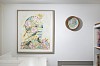
GARY STEPHENS, Paul with Malachite Sunbirds
Chalk pastel and newsprint collage on paper, 70 x 60 cm
Born in the Mexican border town of Yuma, Arizona, Gary Stephens studied painting and drawing at the University of Arizona and the San Francisco Art Institute. For the past thirty years, he has worked as an artist and travelled extensively in Latin America, Asia, Europe and Africa for inspiration.
A denizen of Johannesburg for the past 15 years, Stephens brings the observant power of an outsider’s eye to his subject matter. Stephens’ landscapes may be whimsical and shot through with a psychedelic sensibility of the Yellow Submarine variety, but their genesis is the artist’s profound love of remote and still places.
The malachite sunbird is a small nectarivorous bird found from the highlands of Ethopia southwards to South Africa. They pollinate many flowering plants, particularly those with long corolla tubes, in the Fynbos, a small belt of natural shrubland or heathland vegetation located in the Western Cape and Eastern Cape provinces of South Africa.

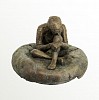
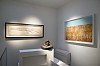
LIONEL SMIT, Repose #2
Bronze, 31 x 36 x 36 cm
Lionel Smit is best known for his contemporary portraiture executed through monumental canvases and sculptures. Perhaps more than anything else, Smit’s work is defined by a profound and ongoing dialogue between sculpture and painting.
A multidisciplinary artist, each of Smit’s works offers us an entry point into the variety and richness that lies beneath every face we encounter in life, whether applied in bronze or in paint. While retaining their austerity and meditative aesthetic, Smit’s figures remain highly charged with the emotive and gestural energy of his creative process.
Smit’s bronzes are created using the lost wax casting method. Patinas commonly available to artists working in bronze include natural browns, blacks and greens. However, given the importance of colour to Smit, he uses alternative methods that result in a unique fusion of intensely saturated patinas. Smit’s ability to manipulate the patination process, coupled with his focused enthusiasm for surface gradations, has allowed him to consistently push boundaries.
Smit’s process as an artist today remains adaptive, inventive, and physically engaging and he has achieved success internationally, from Hong Kong to London and New York.
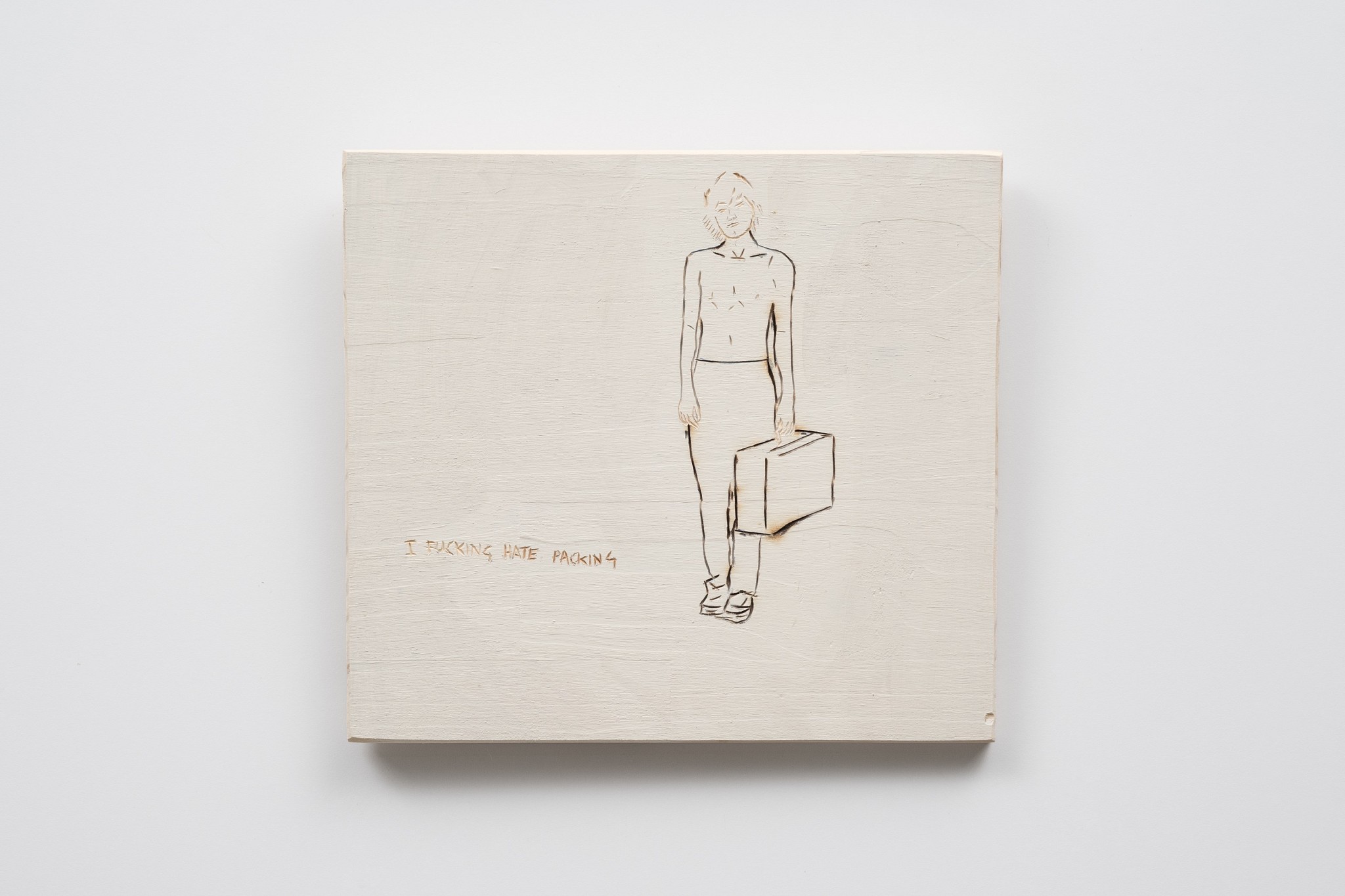

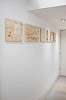
BRETT CHARLES SEILER, Jeremy with a Suitcase, I Hate Fucking Packing
engraving on painted wood, 30.5 x 33.5 cm
"Through his paintings, Brett Charles Seiler creates an interior world which wavers between desire and anxiety. He explores the male body, domestic space, poetry, Queer history, Biblical symbolism, love and alienation, as well as the possibilities of painting as a medium. His experimentation with material, colour, and line has culminated in a unique and carefully honed style.
In his search for materials which are both evocative and easily accessible, Seiler’s early paintings included found objects such as old black-and-white photographs and fabric. Though these objects have mostly been stripped away from his most recent paintings, they have been absorbed as visual strategy. The photographs are present in the snapshot-like, narrative atmosphere of the depicted scenes, and in the colour palette and tones. The interest in fabric can be seen in his treatment of the canvas as an important part of the finished work. The rawness of the surface and the sketched quality of the lines add to the feeling that we are witnessing a brief, urgent moment in time which has passed but been memorialised."
– Khanya Mashabela, writer, curator and artist
Seiler graduated from the Ruth Prowse School of Art in 2015. In addition to his solo exhibitions, Seiler has been included in various group exhibitions and fairs, including a performance piece with Luvuyo Nyawose titled ‘Reading Homophobia’ (2017) at the A4 Arts Foundation in Cape Town, curated by Kemang Wa Lehulere and Zipho Dayile, and the Cologne Art Fair with Galerie Eigen + Art in 2021.
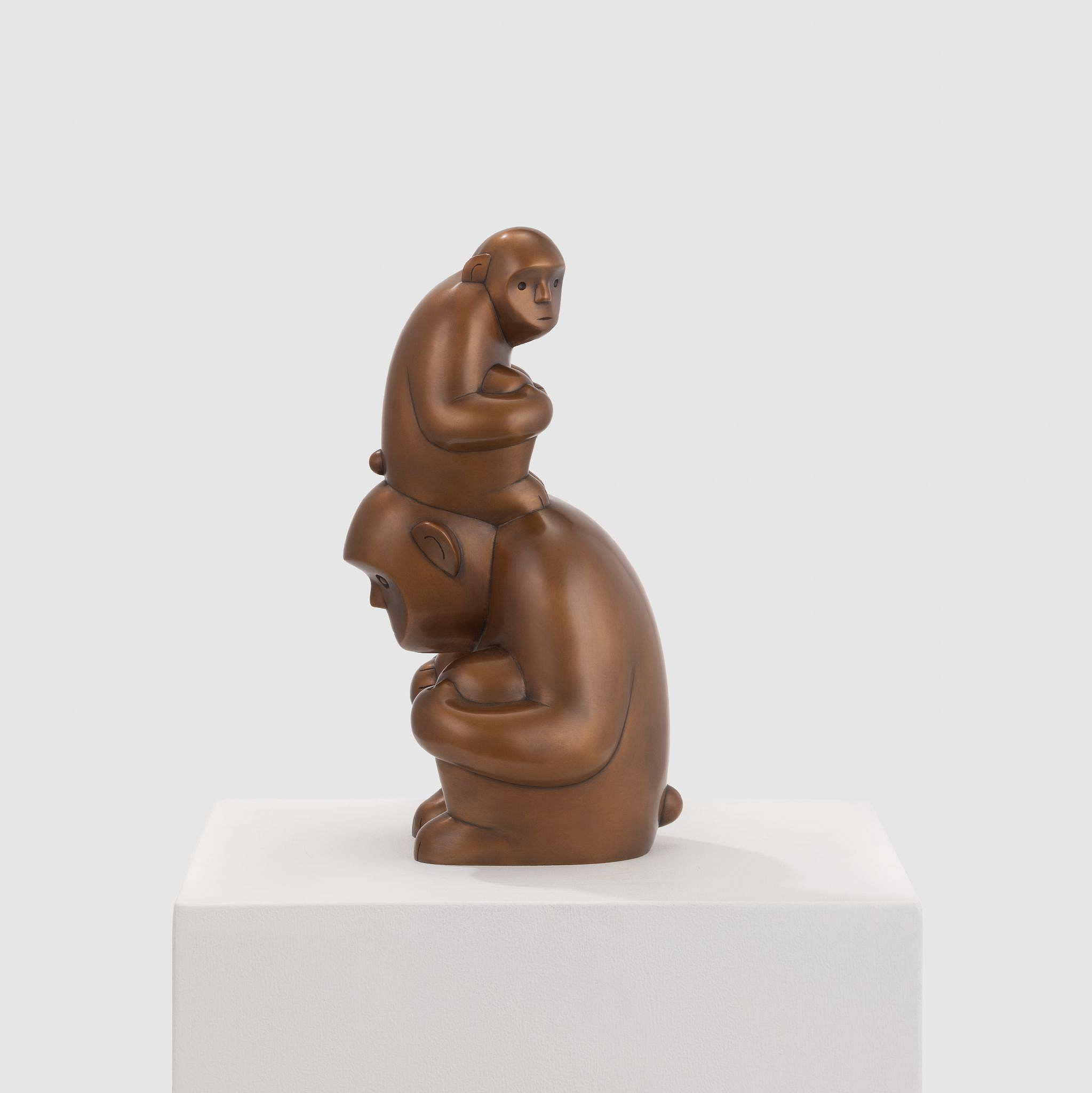


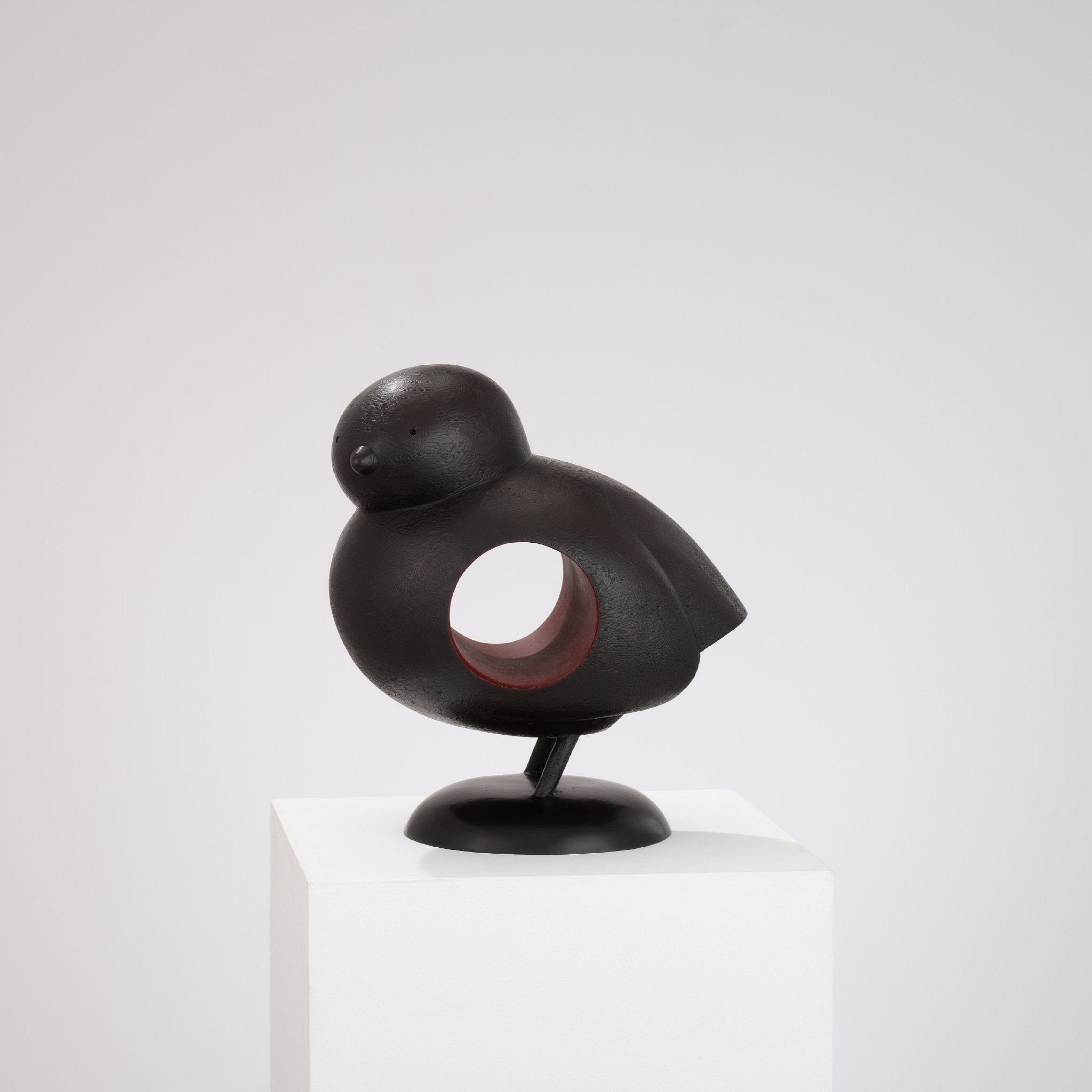
BRETT MURRAY, Heed
Bronze, 45 x 21 x 22 cm (17 5/8 x 8 1/4 x 8 5/8 in.)
Huddled together or clinging to one another, many of Murray’s sculptures convey a poignant tenderness and vulnerability. These symbols of the family unit - together, touching, protected, and protecting - strike a universal chord. While some works evoke pathos, others stoke unease and allude to an inherent violence. The hopeful is countered with gaping holes that speak to the loss and hurt that are an integral part of all human experience.

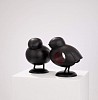


BRETT MURRAY, Death of Innocence
Bronze, 30 x 21 x 25 cm (11 3/4 x 8 1/4 x 9 3/4 in.)
While some works evoke pathos, others stoke unease and allude to an inherent violence. The hopeful is countered with gaping holes that speak of the loss and damage that are an integral part of all human experience.
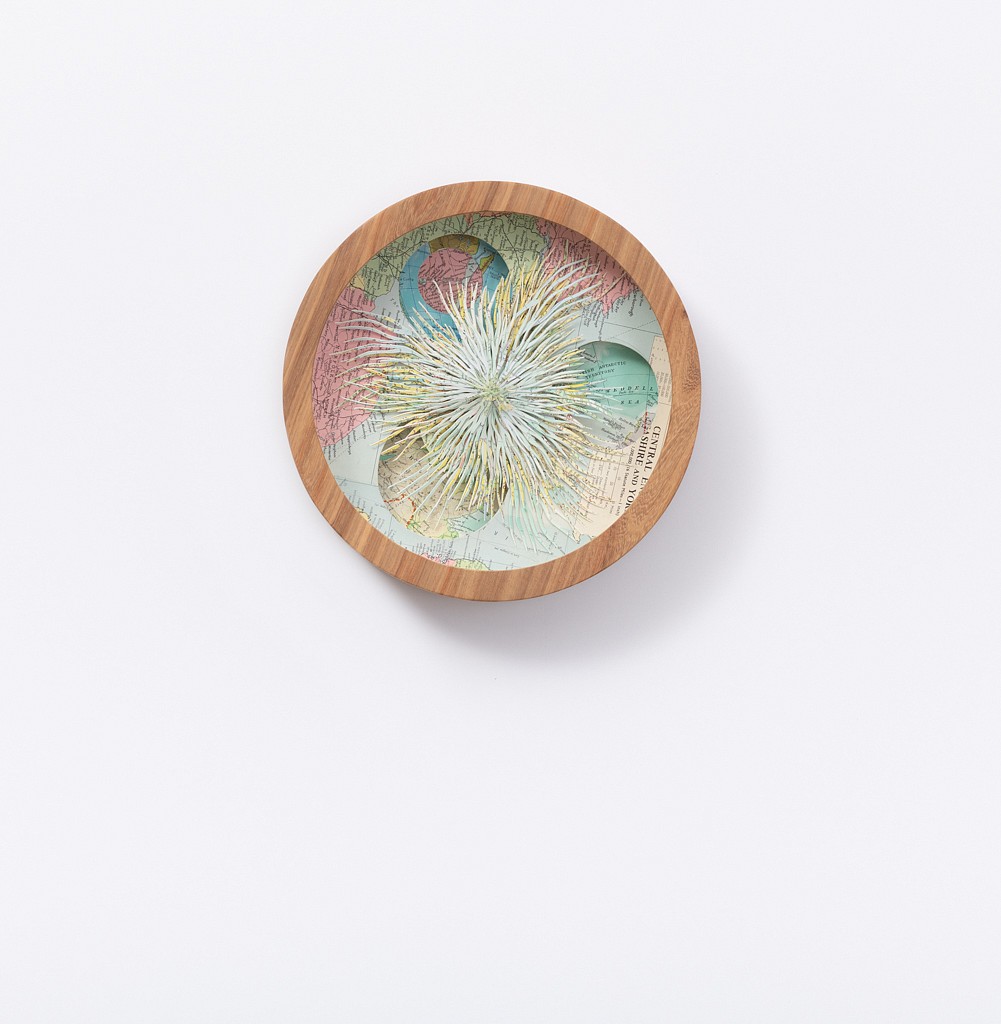
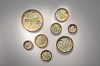
BARBARA WILDENBOER, A Brief History of the Multiverse II
Hand-cut paper sculpture with clock mechanism
Barbara Wildenboer’s reimagined maps are ticking timepieces that speak of shifting borders shaped by geopolitics, geology, and climate, while her altered books breathe renewed life into previously prized objects that are disappearing into obsolescence in our digital age.
The artist’s use of old books and maps invites us to consider ways in which humans feel compelled to interpret, fix and navigate the mysteries of life with atlases, maps and scientific devices. Guided by her intuition, the artist herself is on a quest to understand more. Magnetism, gravity and electricity, the celestial orbits and star cycles are all phenomena ‘discovered’ by science, yet their mysteries have not yet been entirely revealed. *
*Extract from an original text by Miranthe Staden Garbett, 2020
Contact: info@everardlondon.com
Image credit: Michael Hall / Dan Weill Photography
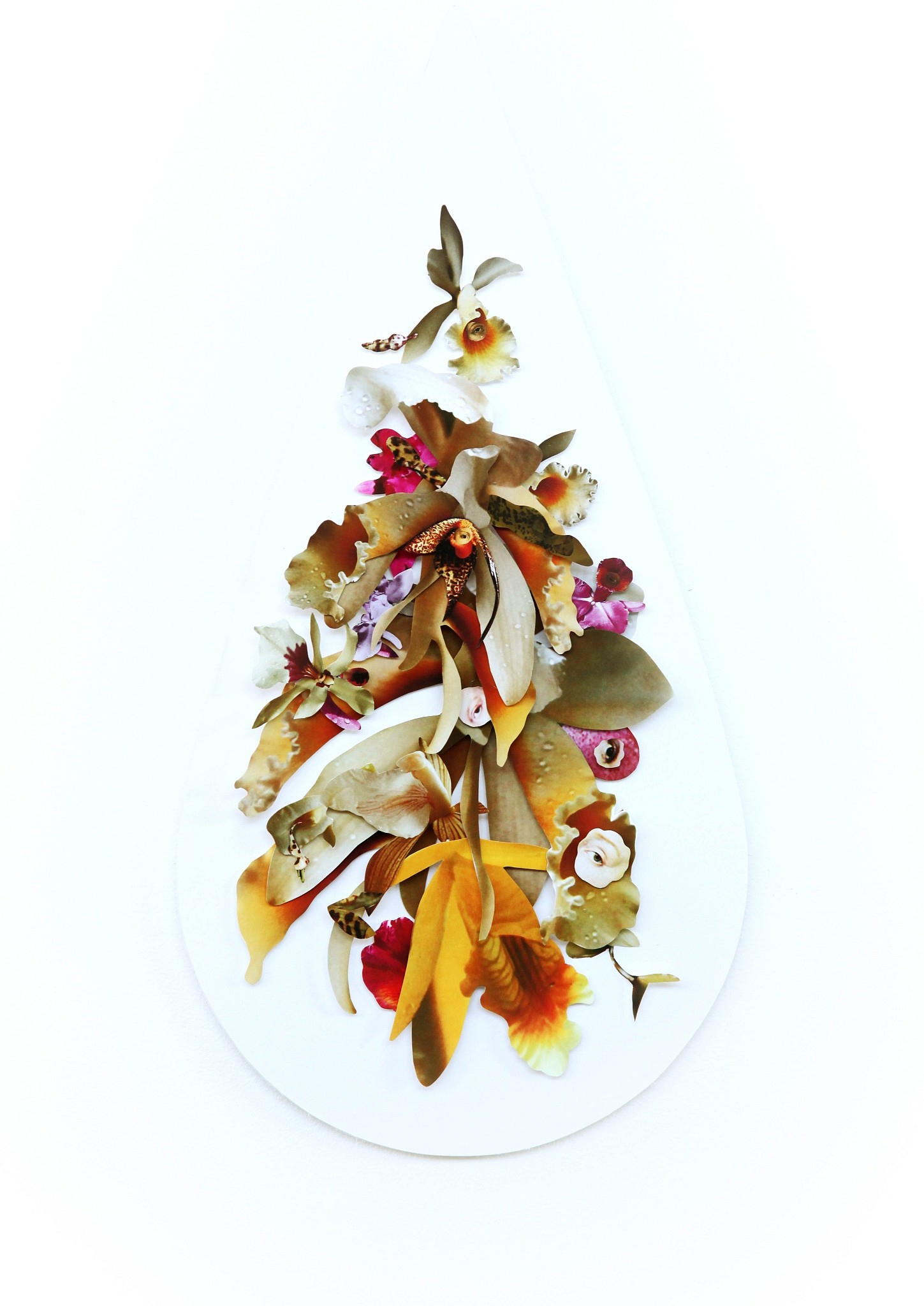

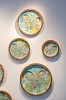
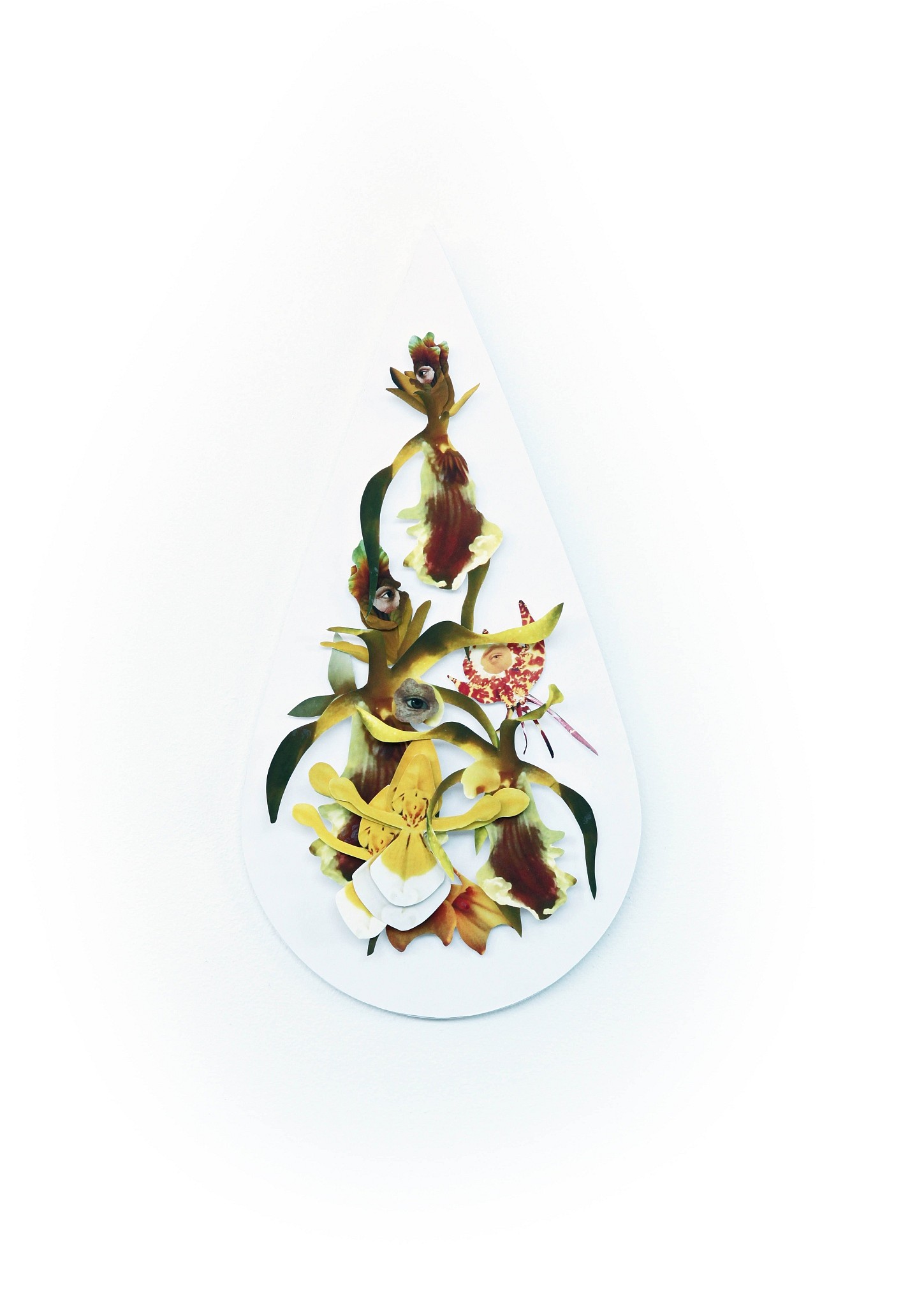
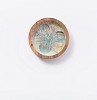
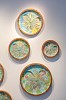
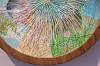
BARBARA WILDENBOER, The Blind Leading the Blind VII
Handcut rephotographed analogue collage, 42 cm
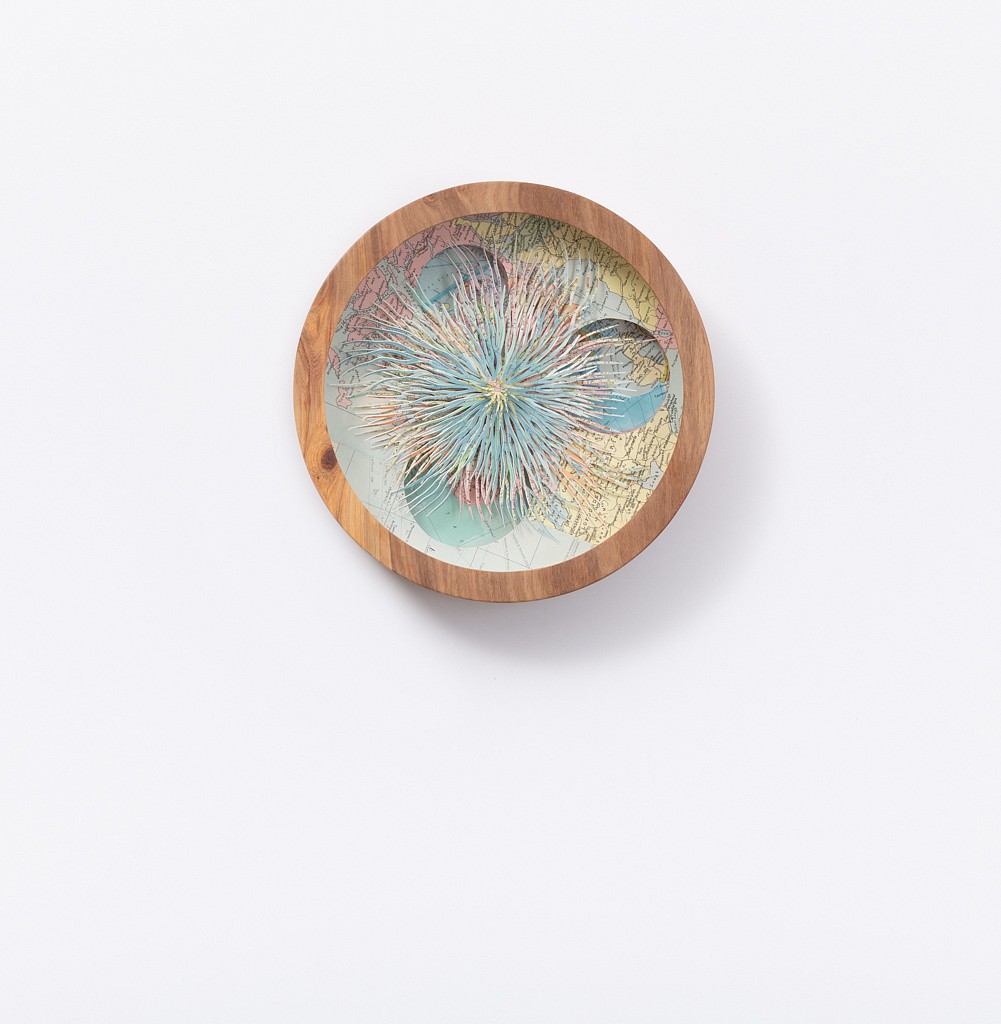
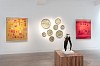
BARBARA WILDENBOER, A Brief History of the Multiverse I
Hand-cut paper sculpture with clock mechanism
Barbara Wildenboer’s reimagined maps are ticking timepieces that speak of shifting borders shaped by geopolitics, geology, and climate, while her altered books breathe renewed life into previously prized objects that are disappearing into obsolescence in our digital age.
The artist’s use of old books and maps invites us to consider ways in which humans feel compelled to interpret, fix and navigate the mysteries of life with atlases, maps and scientific devices. Guided by her intuition, the artist herself is on a quest to understand more. Magnetism, gravity and electricity, the celestial orbits and star cycles are all phenomena ‘discovered’ by science, yet their mysteries have not yet been entirely revealed. *
*Extract from an original text by Miranthe Staden Garbett, 2020
Contact: info@everardlondon.com
Image credit: Michael Hall / Dan Weill Photography






Specialists in contemporary art from South Africa. Established in 1913. South African artists are part of the global conversation. We seek to make their voices heard.