
ERIN CHAPLIN
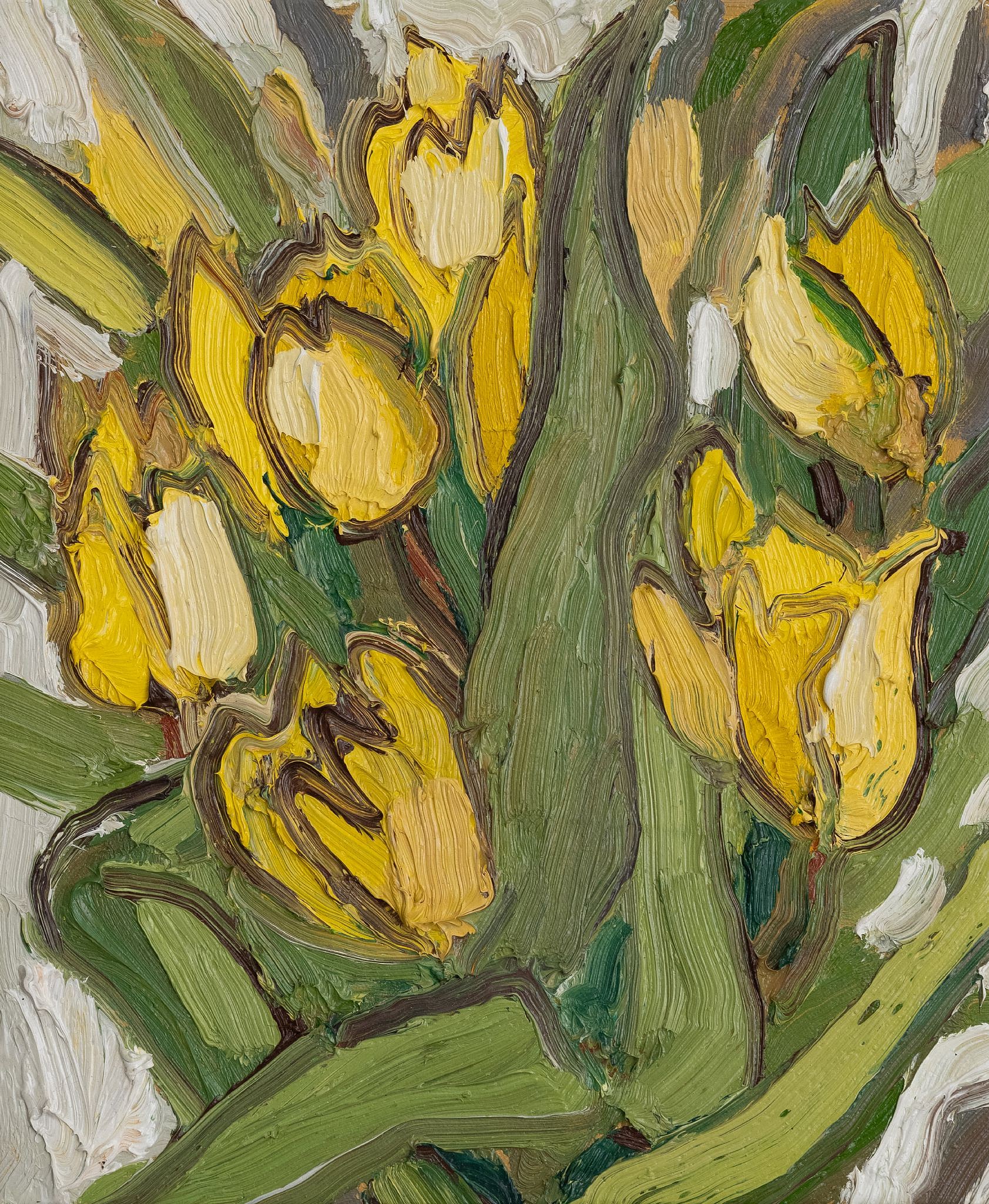

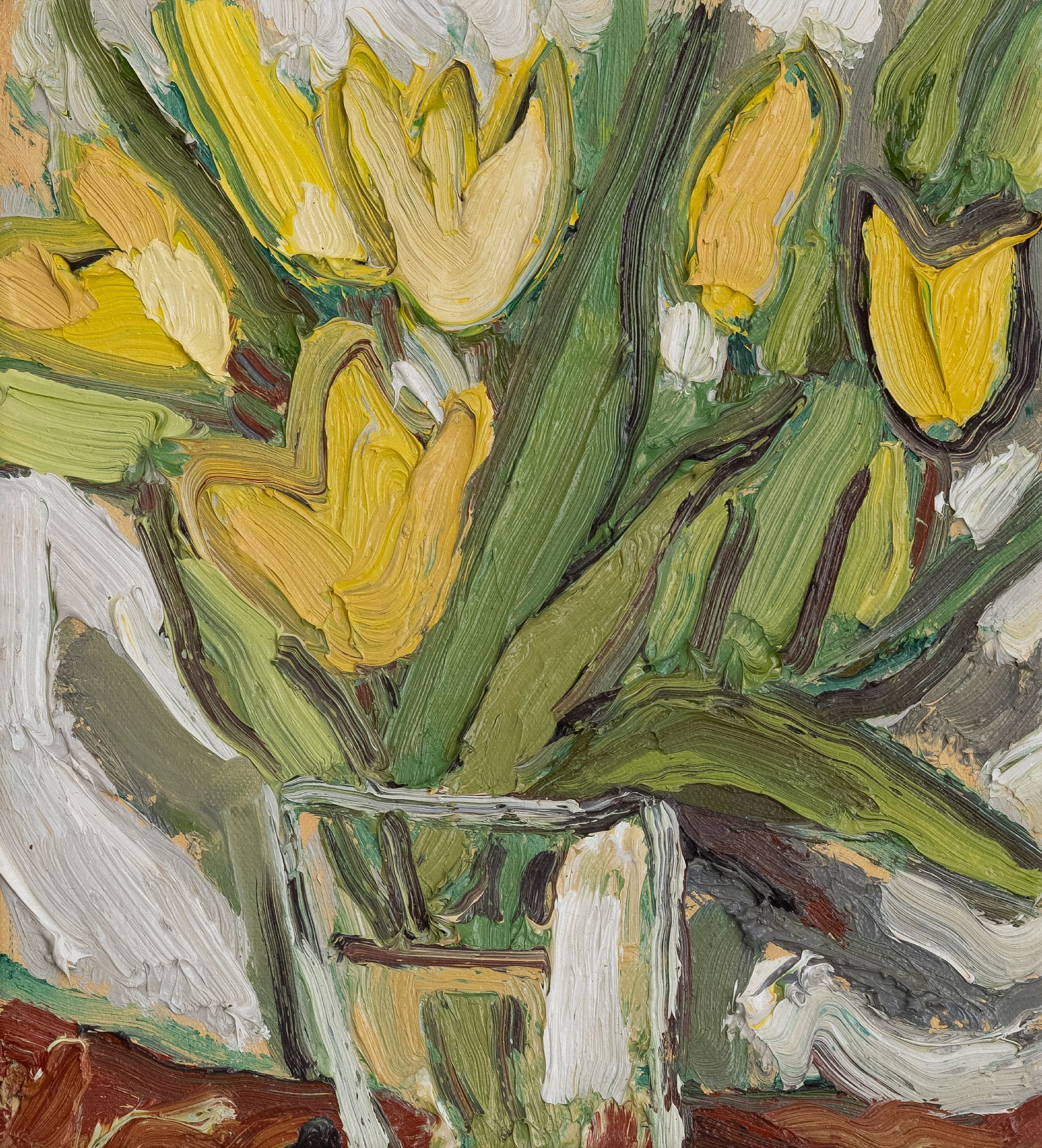
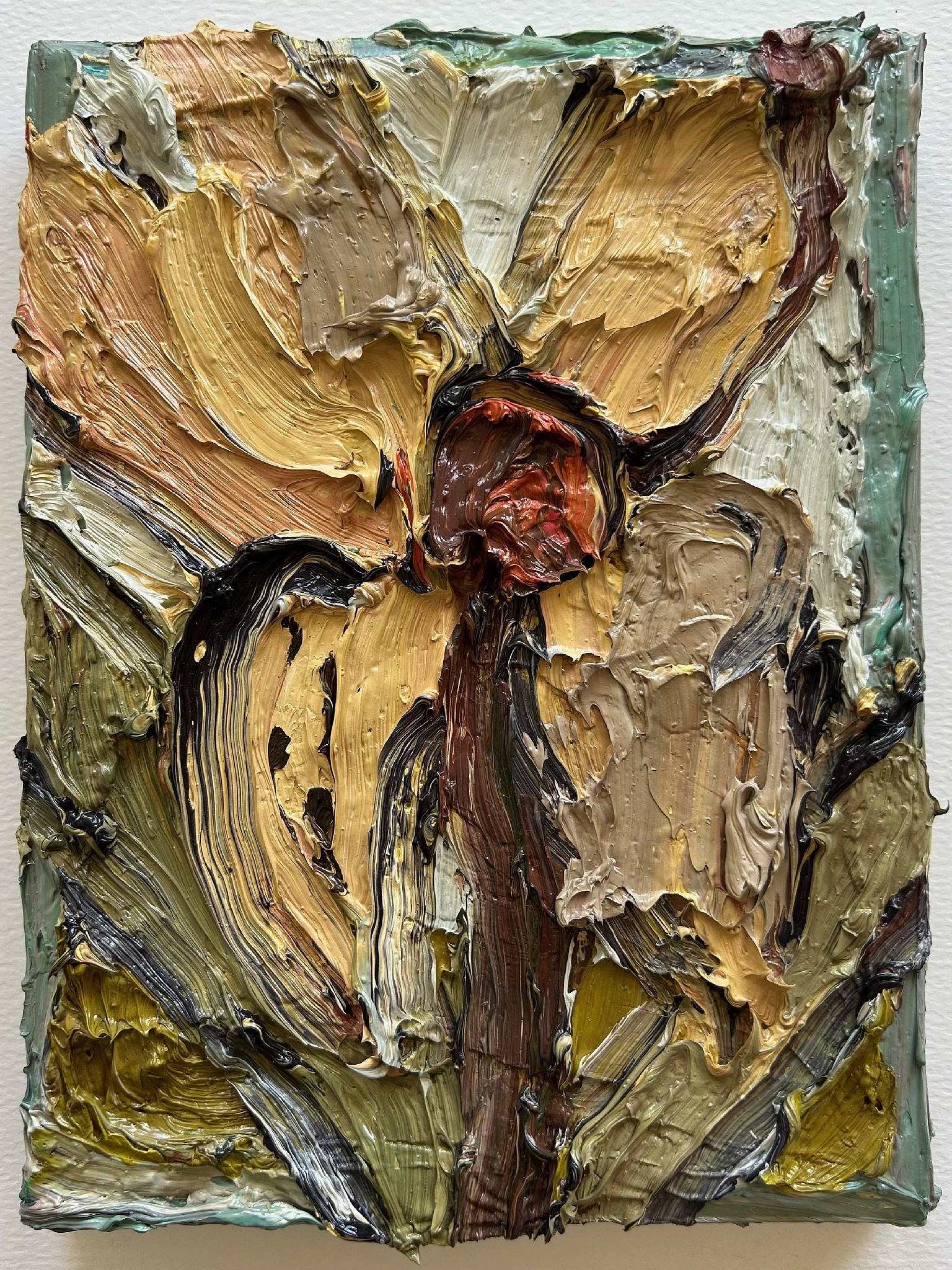
ERIN CHAPLIN, Yellow Tulips II
Oil on canvas, 30 x 25 cm
Erin Chaplin’s work is a deeply personal and reflective. She draws her initial inspiration from her longstanding muse - nature, but reaches further – in reaction to Christian religious doctrine and in an exploration of human vulnerability – and into abstraction.
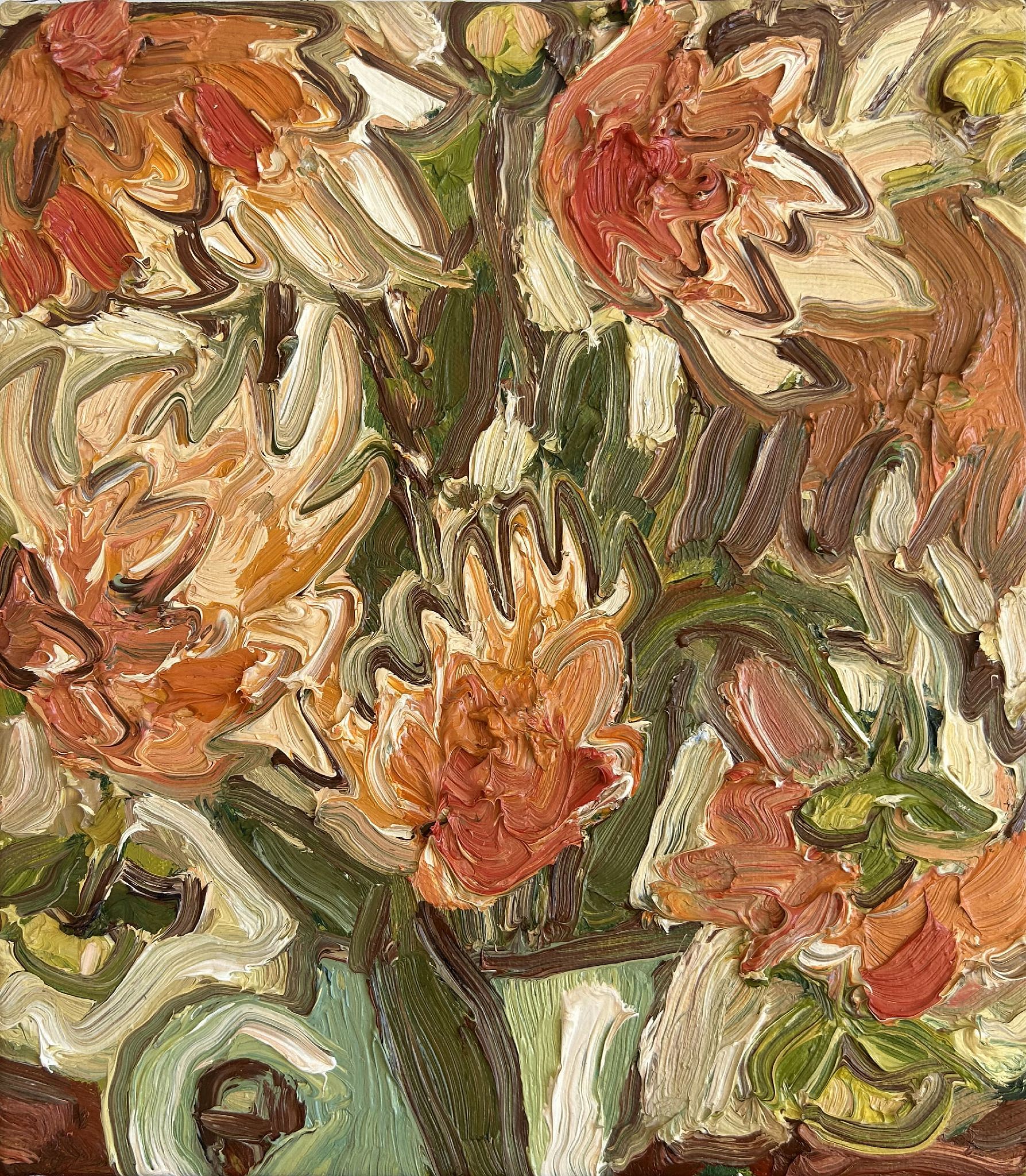


ERIN CHAPLIN, Dahlias
Oil on canvas, 25 x 22 cm
Erin Chaplin’s work is a deeply personal and reflective. She draws her initial inspiration from her longstanding muse - nature, but reaches further – in reaction to Christian religious doctrine and in an exploration of human vulnerability – and into abstraction.
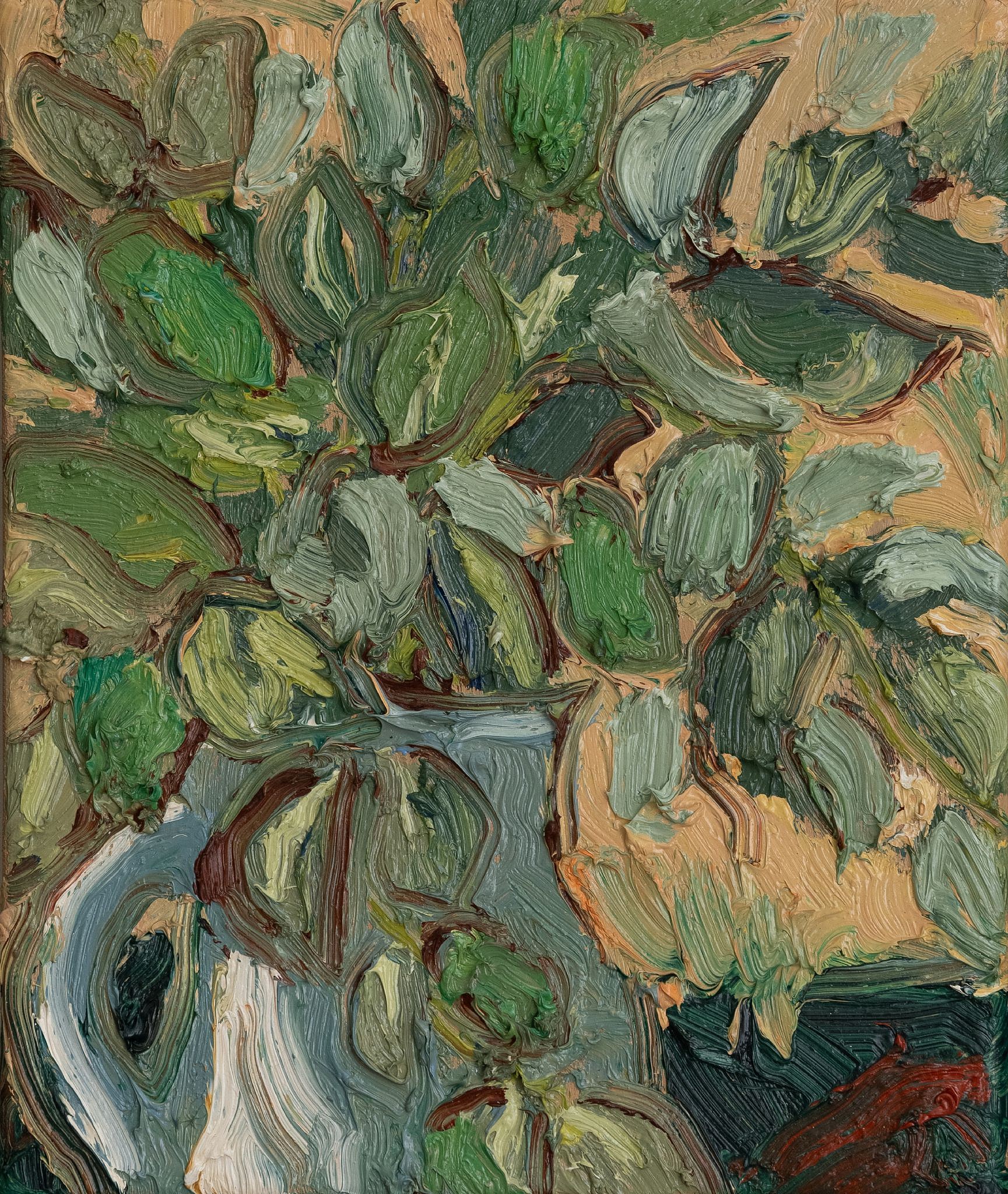
ERIN CHAPLIN, Pennygum
Oil on canvas, 30 x 25 cm
Erin Chaplin studies the relationship between the natural and the artificial in her work, striving to capture the poignancy of youth as it fades – fresh fruit and flowers as they slowly rot. In response to the challenging nature of the genre, the floral still-life works are executed in a combination of muted tones and unexpected, contrived colours. The contrast of these tones creates a dynamism in the work that entices and surprises the viewer.

ERIN CHAPLIN, Yellow tulips I
Oil on canvas, 23 x 21 cm
Erin Chaplin studies the relationship between the natural and the artificial in her work, striving to capture the poignancy of youth as it fades – fresh fruit and flowers as they slowly rot. In response to the challenging nature of the genre, the floral still-life works are executed in a combination of muted tones and unexpected, contrived colours. The contrast of these tones creates a dynamism in the work that entices and surprises the viewer.
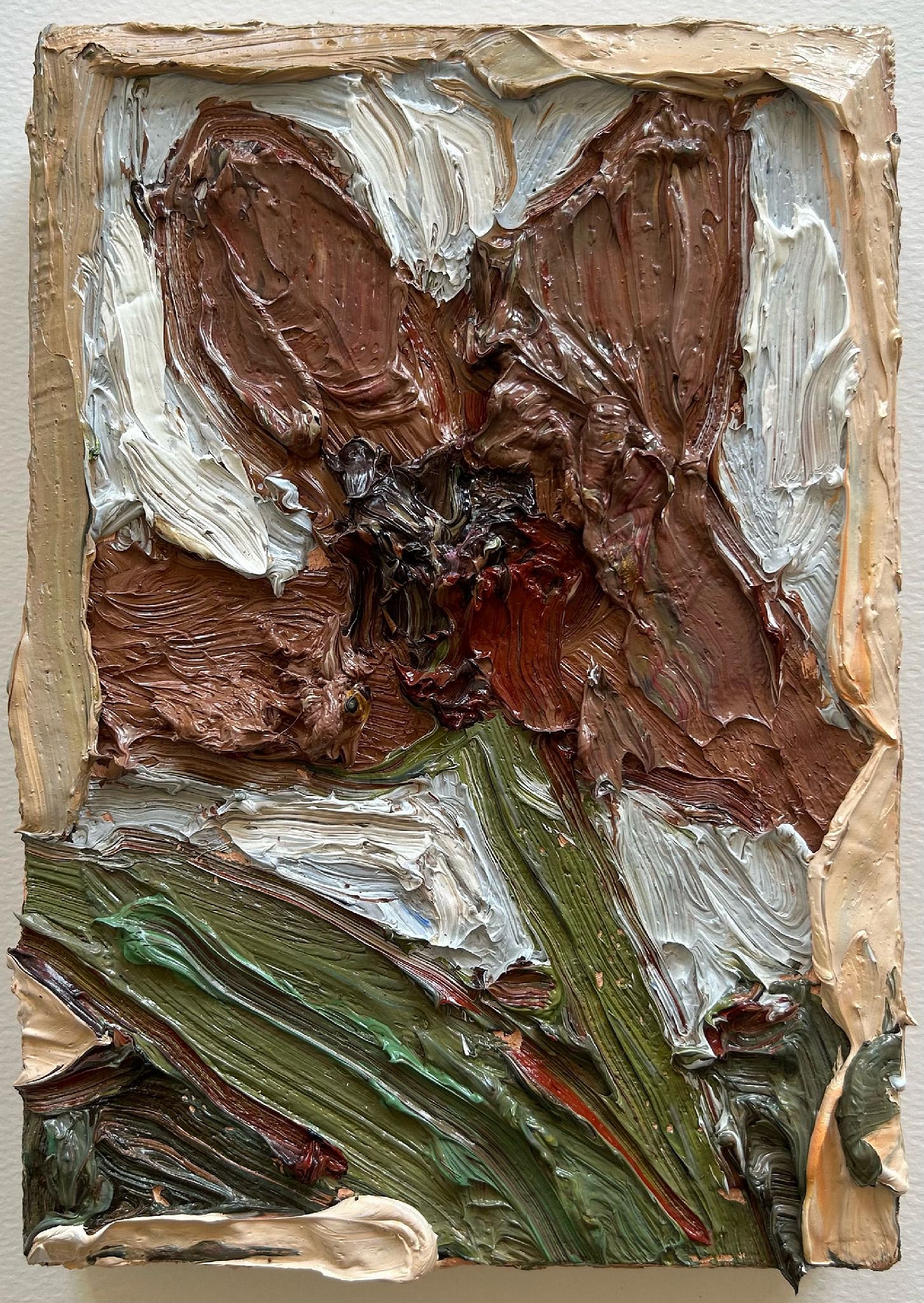


ERIN CHAPLIN, Brown Flower
Oil on canvas, 21 x 15 cm
‘I feel like I am living between worlds. Reality, fantasy and my own reality. And time is ticking
on in the background. Still life resonates with me because it’s on the clock too. Flowers and
fruit can be arranged and painted to live forever but they will die and rot. This comforts me. I
don’t want anything to be too perfect or too alive because that’s not realistic.’
Erin Chaplin studies the relationship between the natural and the artificial in her work, striving
to capture the poignancy of youth as it fades – fresh fruit and flowers as they slowly rot. In
response to the challenging nature of the genre, the floral still-life works are executed in a
combination of muted tones and unexpected, contrived colours. The contrast of these tones
creates a dynamism in the work that entices and surprises the viewer. In her impasto paintings,
a metaphor grows to encapsulate the delicate rawness and vulnerability of the human
condition as we grapple with life as it unfolds.
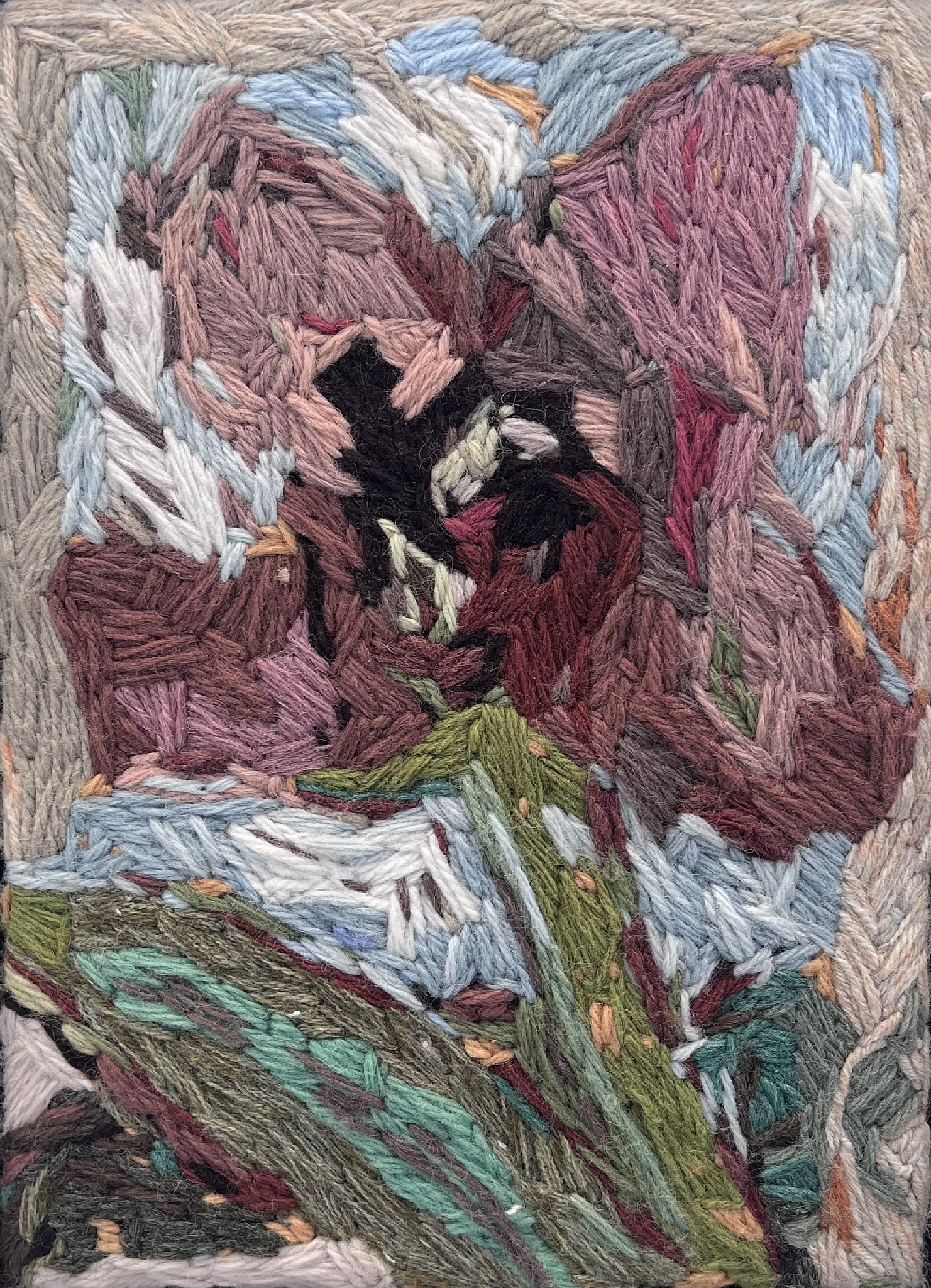
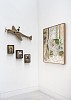
ERIN CHAPLIN, Merry Land
Embroidery on fabric, 22.5 x 16 cm
‘I feel like I am living between worlds. Reality, fantasy and my own reality. And time is ticking
on in the background. Still life resonates with me because it’s on the clock too. Flowers and
fruit can be arranged and painted to live forever but they will die and rot. This comforts me. I
don’t want anything to be too perfect or too alive because that’s not realistic.’
Erin Chaplin studies the relationship between the natural and the artificial in her work, striving
to capture the poignancy of youth as it fades – fresh fruit and flowers as they slowly rot. In
response to the challenging nature of the genre, the floral still-life works are executed in a
combination of muted tones and unexpected, contrived colours. The contrast of these tones
creates a dynamism in the work that entices and surprises the viewer. In her impasto paintings,
a metaphor grows to encapsulate the delicate rawness and vulnerability of the human
condition as we grapple with life as it unfolds.
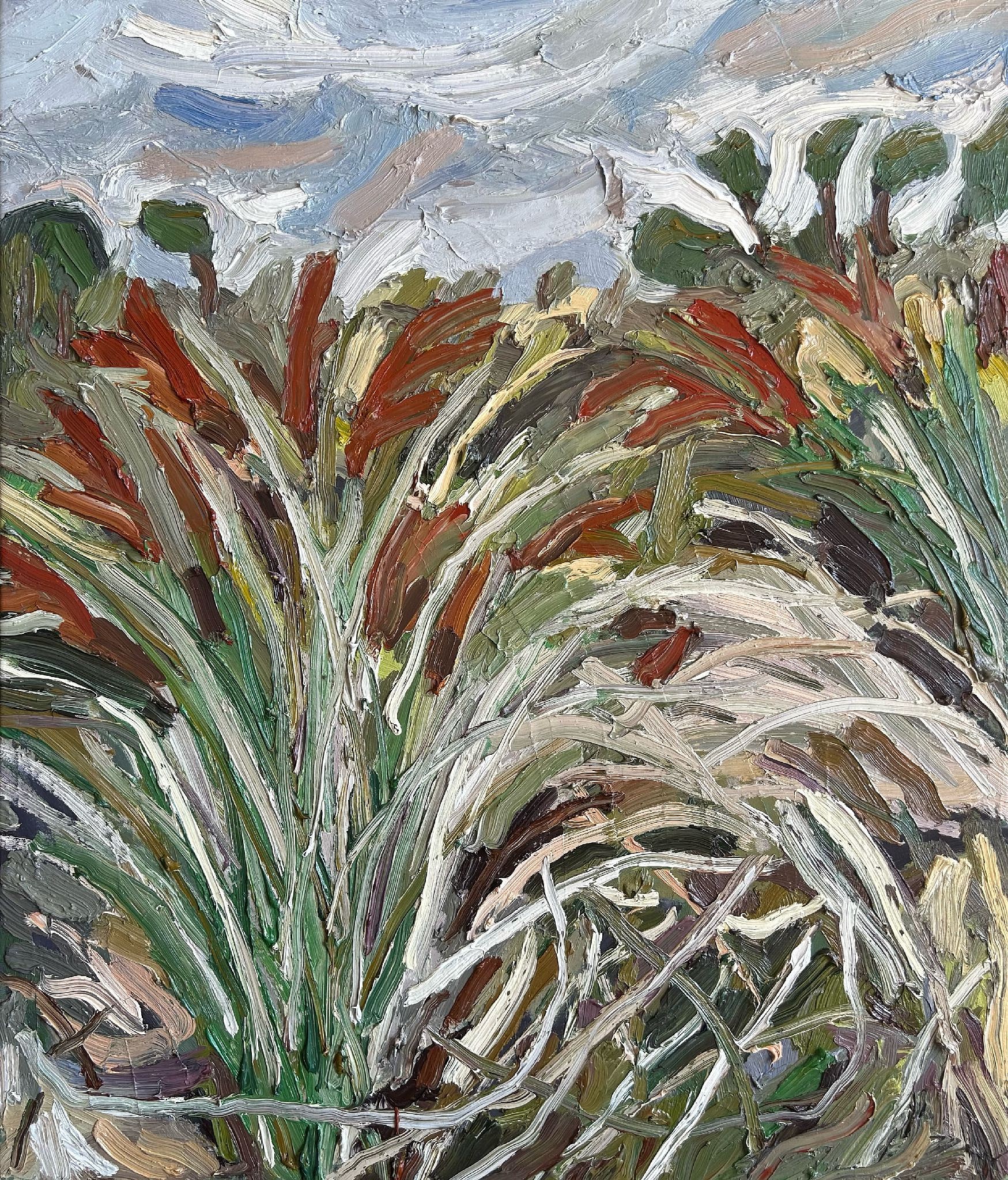
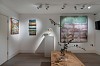
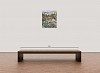
ERIN CHAPLIN, Field (brown grass)
Oil on canvas, 73 x 62 cm
‘I feel like I am living between worlds. Reality, fantasy and my own reality. And time is ticking on in the background. Still life resonates with me because it’s on the clock too. Flowers and fruit can be arranged and painted to live forever but they will die and rot. This comforts me. I don’t want anything to be too perfect or too alive because that’s not realistic.’ Erin Chaplin studies the relationship between the natural and the artificial in her work, striving to capture the poignancy of youth as it fades – fresh fruit and flowers as they slowly rot. In response to the challenging nature of the genre, the floral still-life works are executed in a combination of muted tones and unexpected, contrived colours. The contrast of these tones creates a dynamism in the work that entices and surprises the viewer. In her impasto paintings, a metaphor grows to encapsulate the delicate rawness and vulnerability of the human condition as we grapple with life as it unfolds.


ERIN CHAPLIN, Golden Boy
Embroidery on fabric, 22.5 x 18 cm
‘I feel like I am living between worlds. Reality, fantasy and my own reality. And time is ticking
on in the background. Still life resonates with me because it’s on the clock too. Flowers and
fruit can be arranged and painted to live forever but they will die and rot. This comforts me. I
don’t want anything to be too perfect or too alive because that’s not realistic.’
Erin Chaplin studies the relationship between the natural and the artificial in her work, striving
to capture the poignancy of youth as it fades – fresh fruit and flowers as they slowly rot. In
response to the challenging nature of the genre, the floral still-life works are executed in a
combination of muted tones and unexpected, contrived colours. The contrast of these tones
creates a dynamism in the work that entices and surprises the viewer. In her impasto paintings,
a metaphor grows to encapsulate the delicate rawness and vulnerability of the human
condition as we grapple with life as it unfolds.

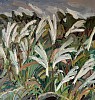
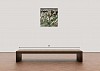
ERIN CHAPLIN, Field (with blue)
Oil on canvas, 74 x 70 cm
‘I feel like I am living between worlds. Reality, fantasy and my own reality. And time is ticking on in the background. Still life resonates with me because it’s on the clock too. Flowers and fruit can be arranged and painted to live forever but they will die and rot. This comforts me. I don’t want anything to be too perfect or too alive because that’s not realistic.’ Erin Chaplin studies the relationship between the natural and the artificial in her work, striving to capture the poignancy of youth as it fades – fresh fruit and flowers as they slowly rot. In response to the challenging nature of the genre, the floral still-life works are executed in a combination of muted tones and unexpected, contrived colours. The contrast of these tones creates a dynamism in the work that entices and surprises the viewer. In her impasto paintings, a metaphor grows to encapsulate the delicate rawness and vulnerability of the human condition as we grapple with life as it unfolds.

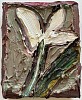

ERIN CHAPLIN, You Ghost
Oil on canvas, 22 x 17 cm
‘I feel like I am living between worlds. Reality, fantasy and my own reality. And time is ticking on in the background. Still life resonates with me because it’s on the clock too. Flowers and fruit can be arranged and painted to live forever but they will die and rot. This comforts me. I don’t want anything to be too perfect or too alive because that’s not realistic.’ Erin Chaplin studies the relationship between the natural and the artificial in her work, striving to capture the poignancy of youth as it fades – fresh fruit and flowers as they slowly rot. In response to the challenging nature of the genre, the floral still-life works are executed in a combination of muted tones and unexpected, contrived colours. The contrast of these tones creates a dynamism in the work that entices and surprises the viewer. In her impasto paintings, a metaphor grows to encapsulate the delicate rawness and vulnerability of the human condition as we grapple with life as it unfolds.
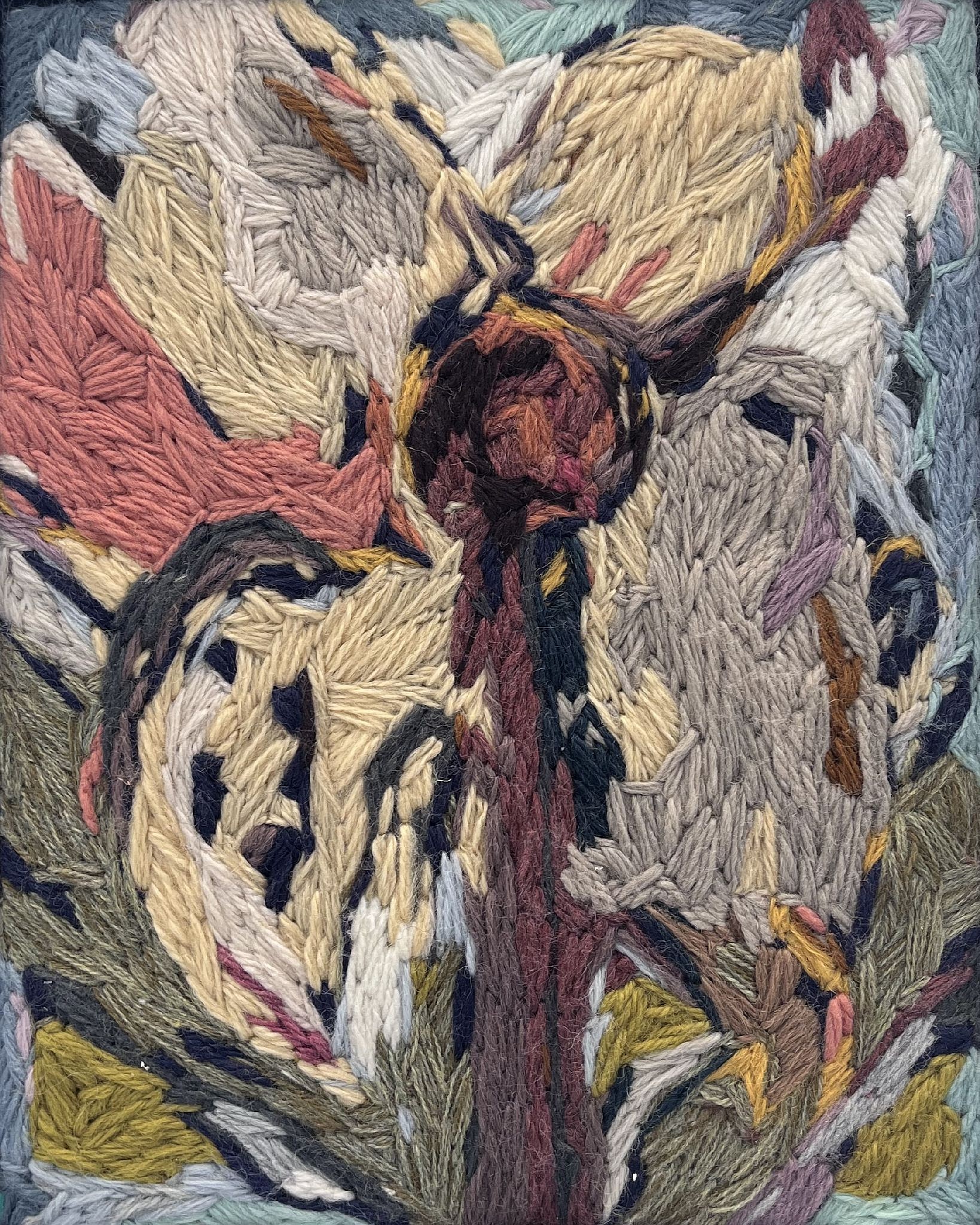
ERIN CHAPLIN, Butterfly
Embroidery on fabric, 22 x 17.5 cm
‘I feel like I am living between worlds. Reality, fantasy and my own reality. And time is ticking
on in the background. Still life resonates with me because it’s on the clock too. Flowers and
fruit can be arranged and painted to live forever but they will die and rot. This comforts me. I
don’t want anything to be too perfect or too alive because that’s not realistic.’
Erin Chaplin studies the relationship between the natural and the artificial in her work, striving
to capture the poignancy of youth as it fades – fresh fruit and flowers as they slowly rot. In
response to the challenging nature of the genre, the floral still-life works are executed in a
combination of muted tones and unexpected, contrived colours. The contrast of these tones
creates a dynamism in the work that entices and surprises the viewer. In her impasto paintings,
a metaphor grows to encapsulate the delicate rawness and vulnerability of the human
condition as we grapple with life as it unfolds.
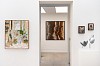
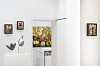
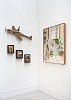
ERIN CHAPLIN, Caterpillar
Oil on canvas, 20.5 x 15.5 cm
‘I feel like I am living between worlds. Reality, fantasy and my own reality. And time is ticking on in the background. Still life resonates with me because it’s on the clock too. Flowers and fruit can be arranged and painted to live forever but they will die and rot. This comforts me. I don’t want anything to be too perfect or too alive because that’s not realistic.’ Erin Chaplin studies the relationship between the natural and the artificial in her work, striving to capture the poignancy of youth as it fades – fresh fruit and flowers as they slowly rot. In response to the challenging nature of the genre, the floral still-life works are executed in a combination of muted tones and unexpected, contrived colours. The contrast of these tones creates a dynamism in the work that entices and surprises the viewer. In her impasto paintings, a metaphor grows to encapsulate the delicate rawness and vulnerability of the human condition as we grapple with life as it unfolds.
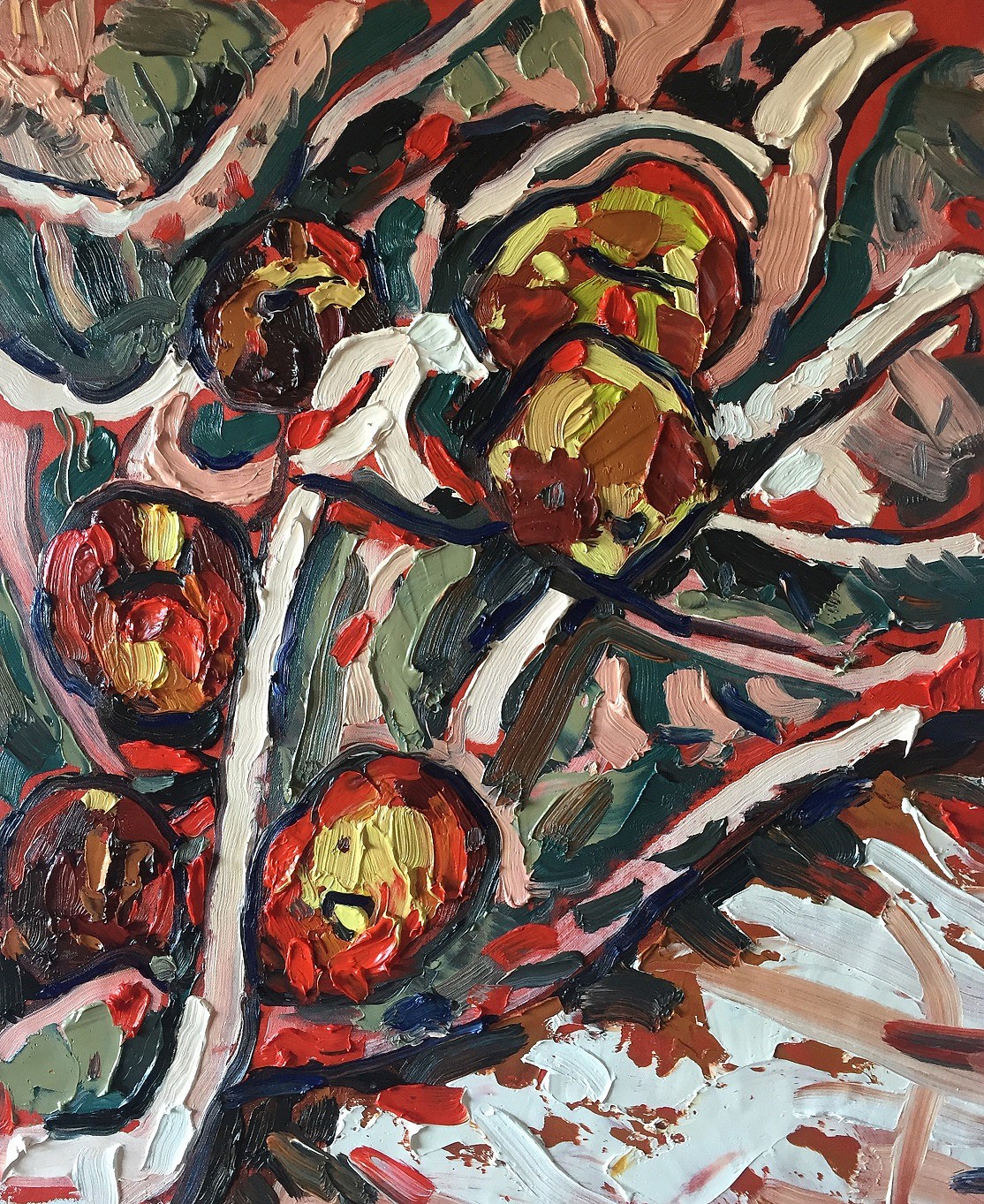


ERIN CHAPLIN, Can't take it with you
Oil on canvas, 45 x 40 cm
In her flower paintings Chaplin fills the entire canvas with blooms; the flowers press against their frame – contained, but barely. The impasto reaches an almost reckless density - paint is built up in ridges and furrows that cast shadow, so that the flowers exist simultaneously as subject and as raw material. The mark-making follows the logic of the petals, spiralling and curling outward, but with enough autonomy that the brushstrokes read as gestures in their own right. “There is a release that I experience when painting thick and quick,” notes Chaplin.



ERIN CHAPLIN, Chopped liver
Oil on canvas, 54 x 47 cm
Chaplin’s interiors are rendered from slightly elevated, tilted viewpoints. Architecture is suggested rather than described and seems to dissolve at the edges. The overriding sensation is one of being drawn in against your better judgement; the surfaces are uncomfortably close, as though the normal breathing space between viewer and painting has been removed.


ERIN CHAPLIN, Core cottage
Oil on canvas, 28 x 24 cm
In Core cottage, the burnt orange, terracotta, deep rust against broken white and pale rose has a warmth that stops just short of comfort, as though the flowers are already turning.


ERIN CHAPLIN, Ghost person
Oil on canvas, 105 x 120 cm
Ghost person sees Chaplin engaging directly with Monet and her response is to refuse the soft dissolve of Impressionism entirely. Her handling is angular and assertive rather than atmospheric. The effect is akin to seeing Monet’s lily ponds in different psychological weather - urgent rather than contemplative.


ERIN CHAPLIN, Heavy blanket
Oil on canvas, 41 x 38 cm
In her flower paintings Chaplin fills the entire canvas with blooms; the flowers press against their frame – contained, but barely. The impasto reaches an almost reckless density - paint is built up in ridges and furrows that cast shadow, so that the flowers exist simultaneously as subject and as raw material. The mark-making follows the logic of the petals, spiralling and curling outward, but with enough autonomy that the brushstrokes read as gestures in their own right. “There is a release that I experience when painting thick and quick,” notes Chaplin.


ERIN CHAPLIN, Hide and seek
Oil on canvas, 42 x 38 cm
Chaplin’s interiors are rendered from slightly elevated, tilted viewpoints. Architecture is suggested rather than described and seems to dissolve at the edges. The overriding sensation is one of being drawn in against your better judgement; the surfaces are uncomfortably close, as though the normal breathing space between viewer and painting has been removed.
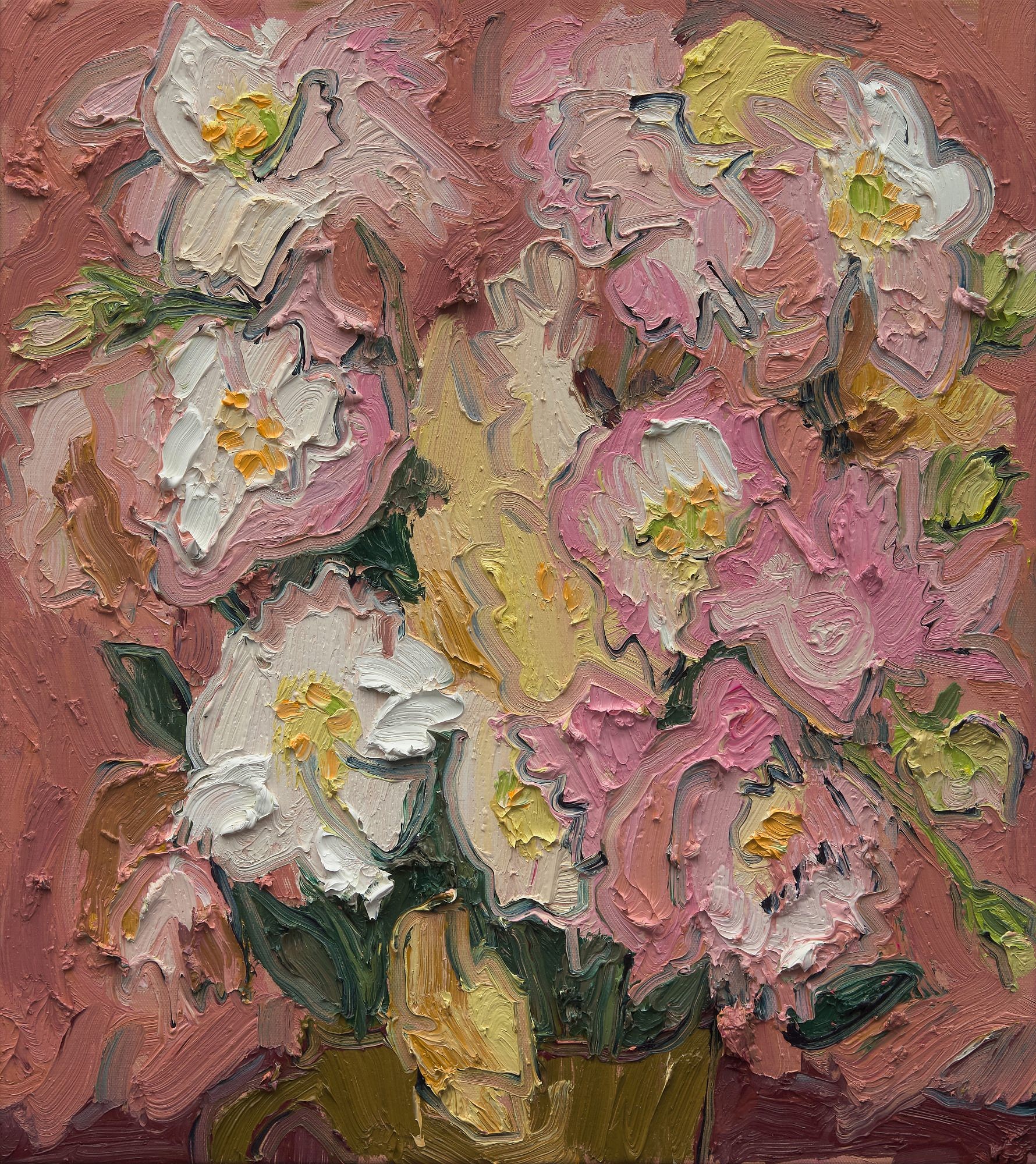


ERIN CHAPLIN, Nest
Oil on canvas, 45 x 40 cm
In her flower paintings Chaplin fills the entire canvas with blooms; the flowers press against their frame – contained, but barely. The impasto reaches an almost reckless density - paint is built up in ridges and furrows that cast shadow, so that the flowers exist simultaneously as subject and as raw material. The mark-making follows the logic of the petals, spiralling and curling outward, but with enough autonomy that the brushstrokes read as gestures in their own right. “There is a release that I experience when painting thick and quick,” notes Chaplin.
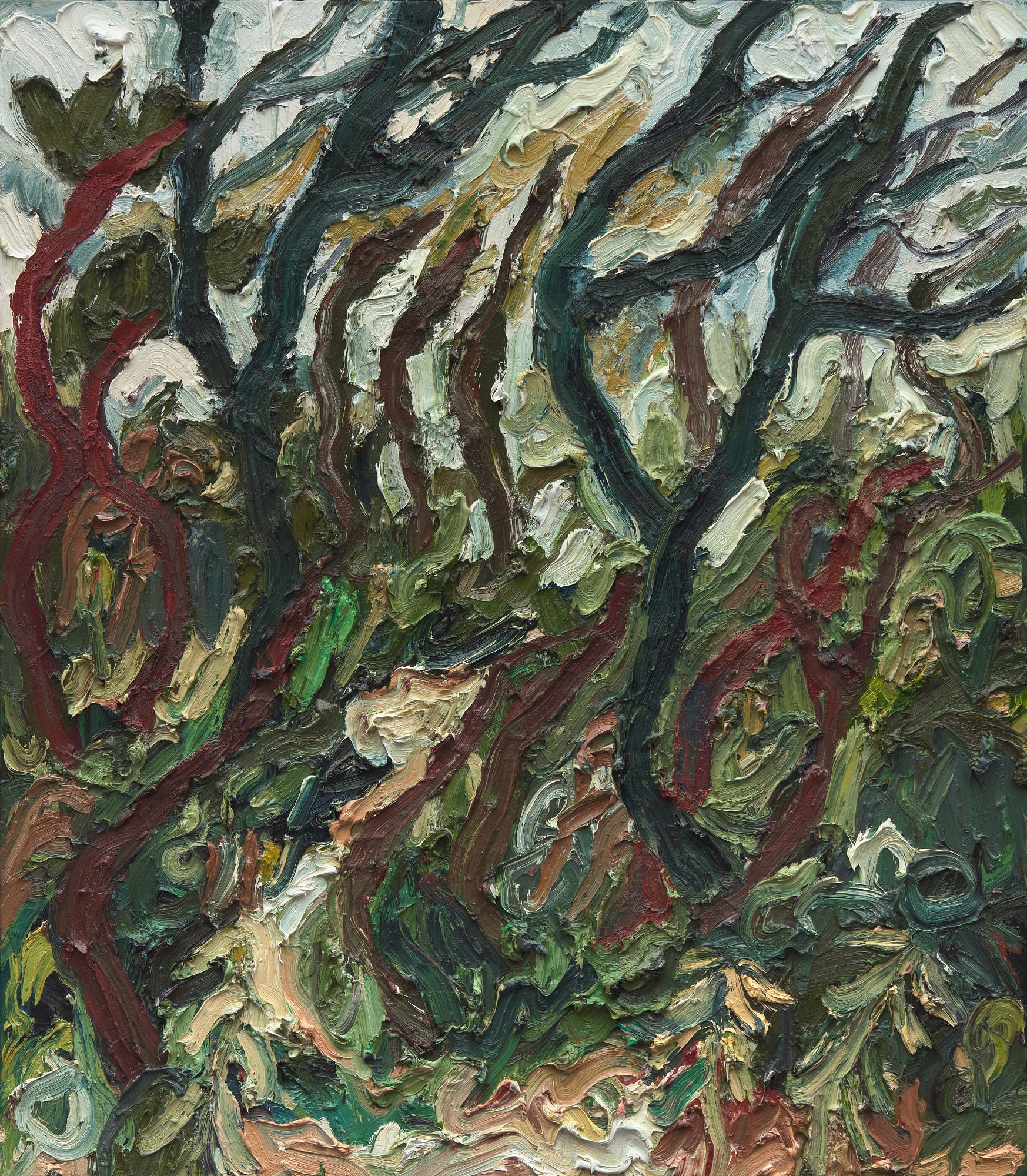


ERIN CHAPLIN, Octopus
Oil on canvas, 120 x 105 cm
In Chaplin’s tree paintings she compresses densely interlocking branches into a shallow pictorial space that offers no sky, no horizon. Out of the dense green foliage, forms emerge and dissolve. These works have a writhing, almost animate energy - the branches reach and grasp, the dark armatures of the trees are rendered in a muscular, red-brown that feels corporeal.


ERIN CHAPLIN, Older by the hour
Oil on canvas, 32 x 22 cm
In her flower paintings Chaplin fills the entire canvas with blooms; the flowers press against their frame – contained, but barely. The impasto reaches an almost reckless density - paint is built up in ridges and furrows that cast shadow, so that the flowers exist simultaneously as subject and as raw material. The mark-making follows the logic of the petals, spiralling and curling outward, but with enough autonomy that the brushstrokes read as gestures in their own right. “There is a release that I experience when painting thick and quick,” notes Chaplin.


ERIN CHAPLIN, Present tense
Oil on canvas, 27 x 22 cm
In her flower paintings Chaplin fills the entire canvas with blooms; the flowers press against their frame – contained, but barely. The impasto reaches an almost reckless density - paint is built up in ridges and furrows that cast shadow, so that the flowers exist simultaneously as subject and as raw material. The mark-making follows the logic of the petals, spiralling and curling outward, but with enough autonomy that the brushstrokes read as gestures in their own right. “There is a release that I experience when painting thick and quick,” notes Chaplin.


ERIN CHAPLIN, Self preservation
Oil on canvas, 57 x 48 cm
In her flower paintings Chaplin fills the entire canvas with blooms; the flowers press against their frame – contained, but barely. The impasto reaches an almost reckless density - paint is built up in ridges and furrows that cast shadow, so that the flowers exist simultaneously as subject and as raw material. The mark-making follows the logic of the petals, spiralling and curling outward, but with enough autonomy that the brushstrokes read as gestures in their own right. “There is a release that I experience when painting thick and quick,” notes Chaplin.


ERIN CHAPLIN, Stockholm syndrome
Oil on canvas, 80 x 70 cm
In Chaplin’s tree paintings she compresses densely interlocking branches into a shallow pictorial space that offers no sky, no horizon. Out of the dense green foliage, forms emerge and dissolve. These works have a writhing, almost animate energy - the branches reach and grasp, the dark armatures of the trees are rendered in a muscular, red-brown that feels corporeal.


ERIN CHAPLIN, Swing swing
Oil on canvas, 55 x 48 cm
Chaplin’s interiors are rendered from slightly elevated, tilted viewpoints. Architecture is suggested rather than described and seems to dissolve at the edges. The overriding sensation is one of being drawn in against your better judgement; the surfaces are uncomfortably close, as though the normal breathing space between viewer and painting has been removed.


ERIN CHAPLIN, Tentacles
Oil on canvas, 90 x 80 cm
In Chaplin’s tree paintings she compresses densely interlocking branches into a shallow pictorial space that offers no sky, no horizon. Out of the dense green foliage, forms emerge and dissolve. These works have a writhing, almost animate energy - the branches reach and grasp, the dark armatures of the trees are rendered in a muscular, red-brown that feels corporeal.


ERIN CHAPLIN, Throne
Oil on canvas, 45 x 40 cm
Chaplin’s interiors are rendered from slightly elevated, tilted viewpoints. Architecture is suggested rather than described and seems to dissolve at the edges. The overriding sensation is one of being drawn in against your better judgement; the surfaces are uncomfortably close, as though the normal breathing space between viewer and painting has been removed.
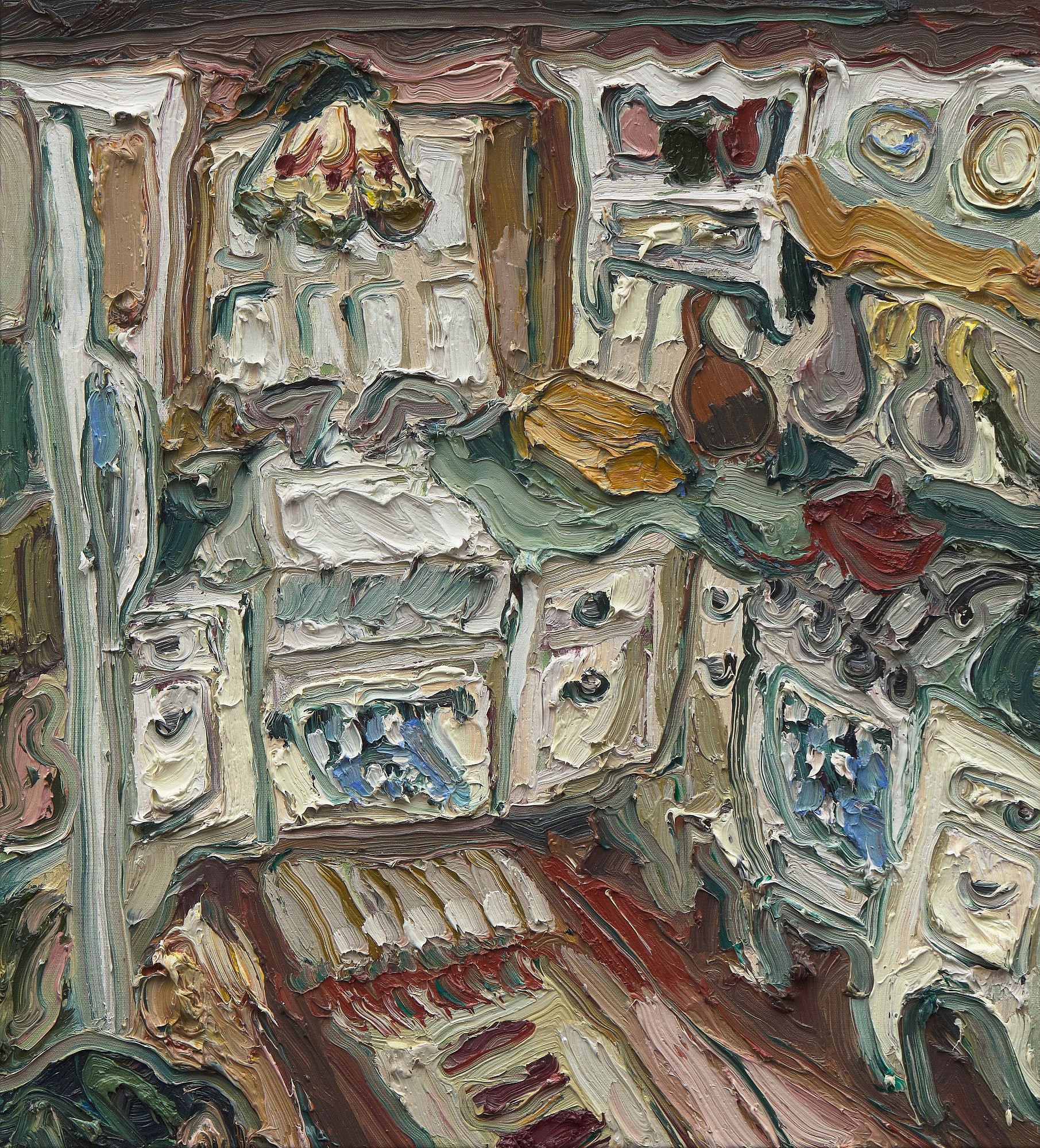


ERIN CHAPLIN, Warm trapped
Oil on canvas, 52 x 47 cm
Chaplin’s interiors are rendered from slightly elevated, tilted viewpoints. Architecture is suggested rather than described and seems to dissolve at the edges. The overriding sensation is one of being drawn in against your better judgement; the surfaces are uncomfortably close, as though the normal breathing space between viewer and painting has been removed.
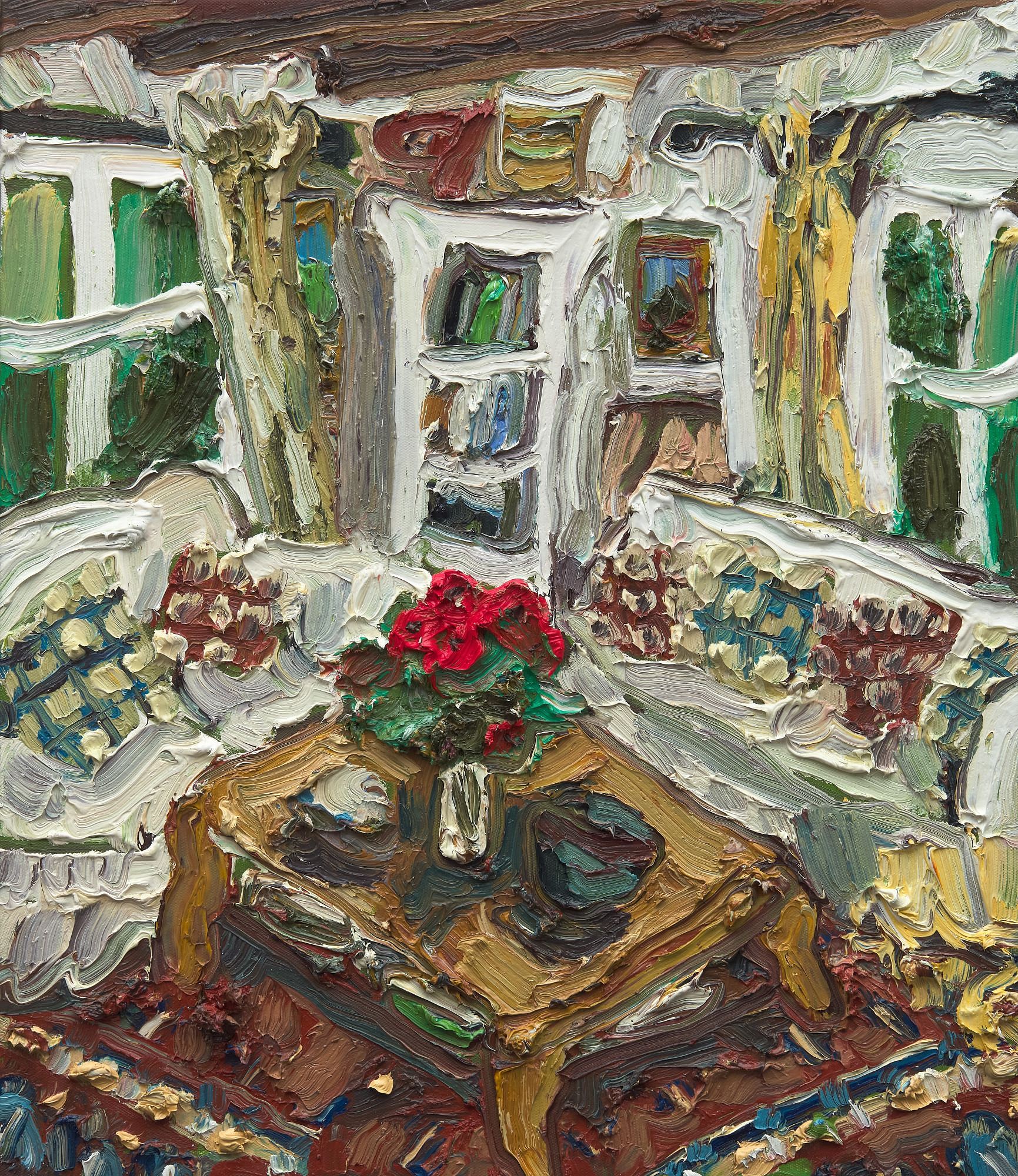


ERIN CHAPLIN, Yellow
Oil on canvas, 50 x 42 cm
Chaplin’s interiors are rendered from slightly elevated, tilted viewpoints. Architecture is suggested rather than described and seems to dissolve at the edges. The overriding sensation is one of being drawn in against your better judgement; the surfaces are uncomfortably close, as though the normal breathing space between viewer and painting has been removed.


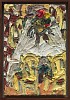

ERIN CHAPLIN, Yellow cocoon
Oil on canvas, 35 x 25.5 cm
Chaplin’s interiors are rendered from slightly elevated, tilted viewpoints. Architecture is suggested rather than described and seems to dissolve at the edges. The overriding sensation is one of being drawn in against your better judgement; the surfaces are uncomfortably close, as though the normal breathing space between viewer and painting has been removed.


ERIN CHAPLIN, You must stay until the end
Oil on canvas, 35 x 40 cm
In her flower paintings Chaplin fills the entire canvas with blooms; the flowers press against their frame – contained, but barely. The impasto reaches an almost reckless density - paint is built up in ridges and furrows that cast shadow, so that the flowers exist simultaneously as subject and as raw material. The mark-making follows the logic of the petals, spiralling and curling outward, but with enough autonomy that the brushstrokes read as gestures in their own right. “There is a release that I experience when painting thick and quick,” notes Chaplin.



Specialists in contemporary art from South Africa. Established in 1913. South African artists are part of the global conversation. We seek to make their voices heard.