
PHILIPPE UZAC
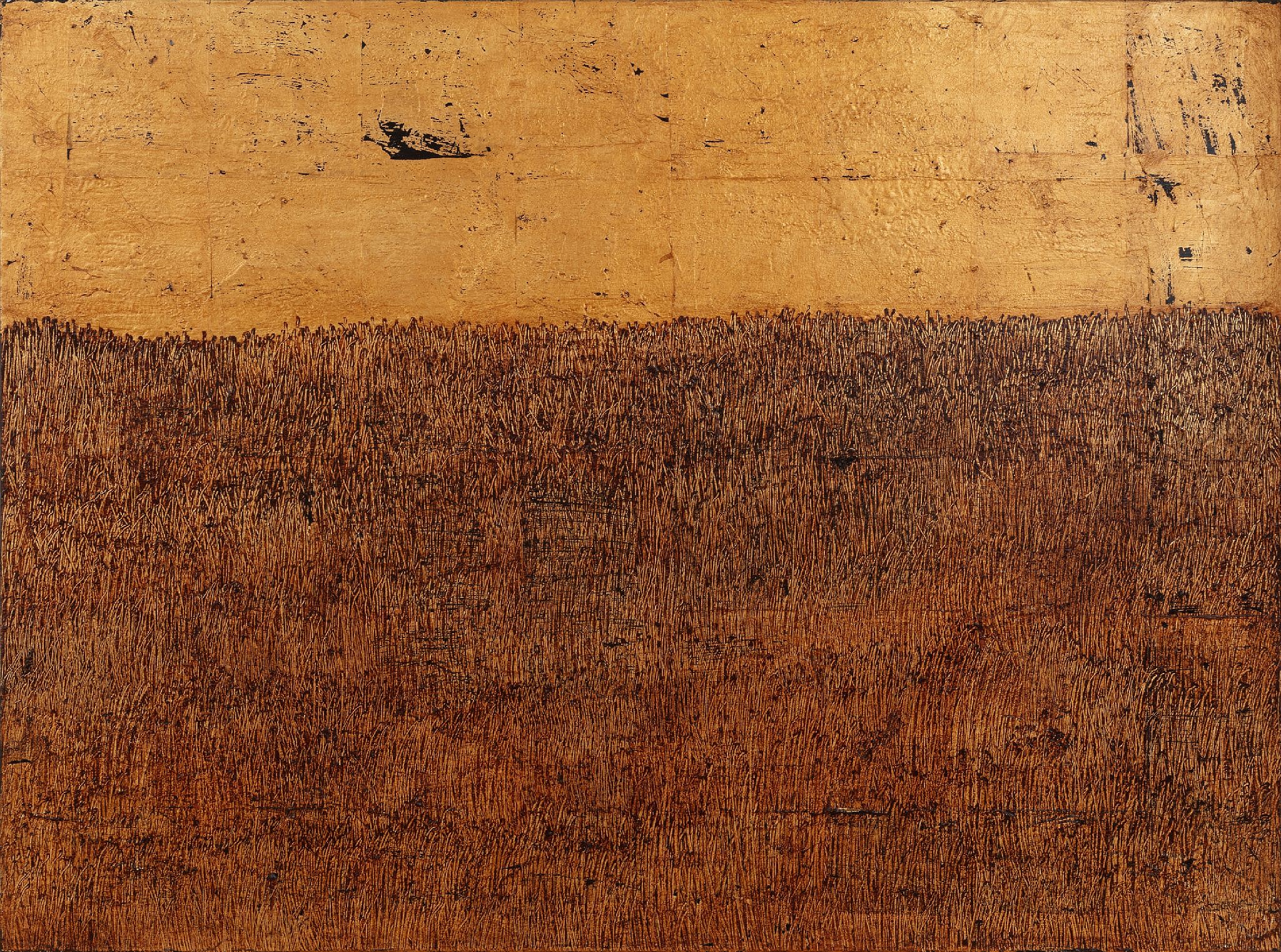

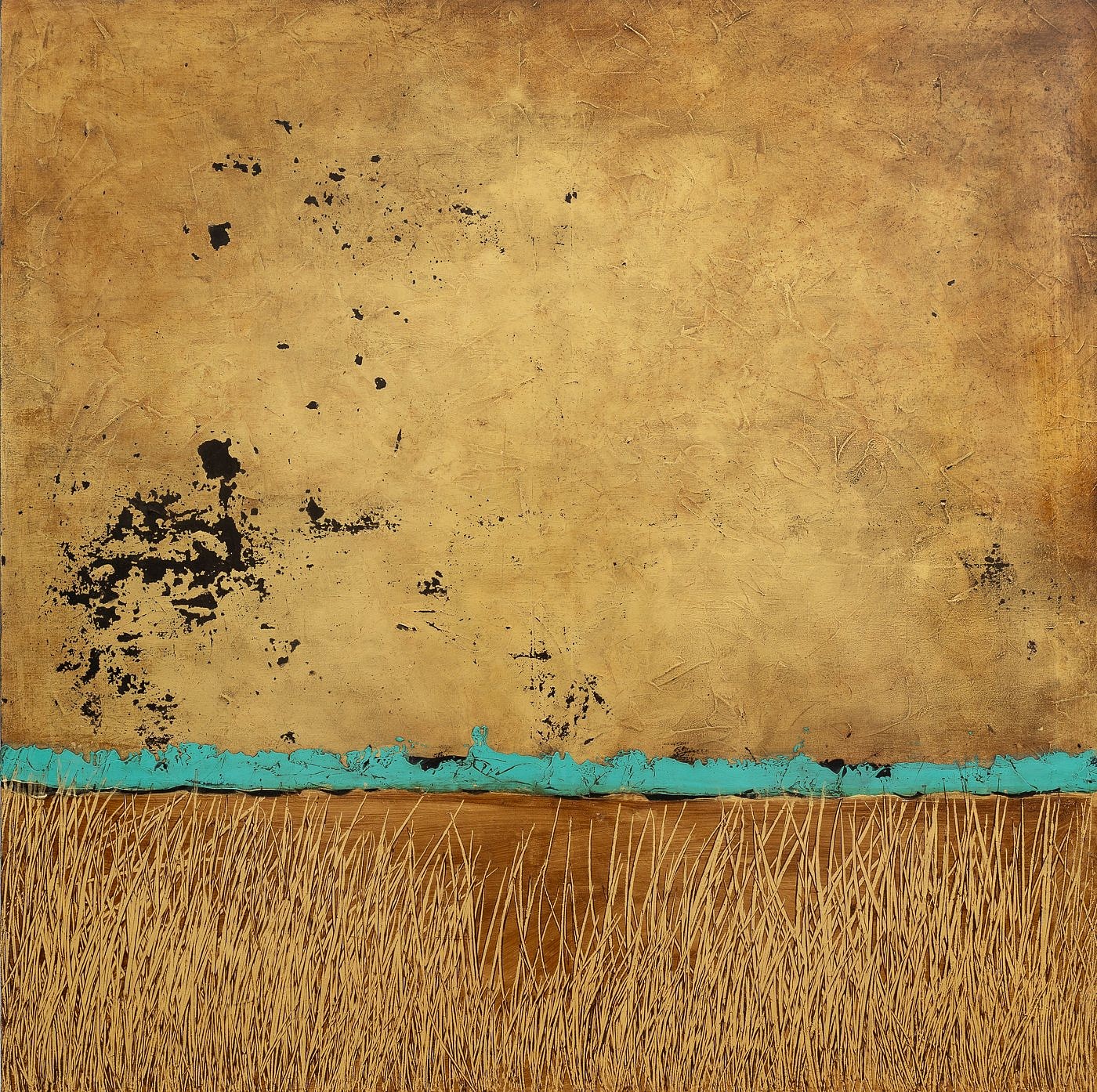
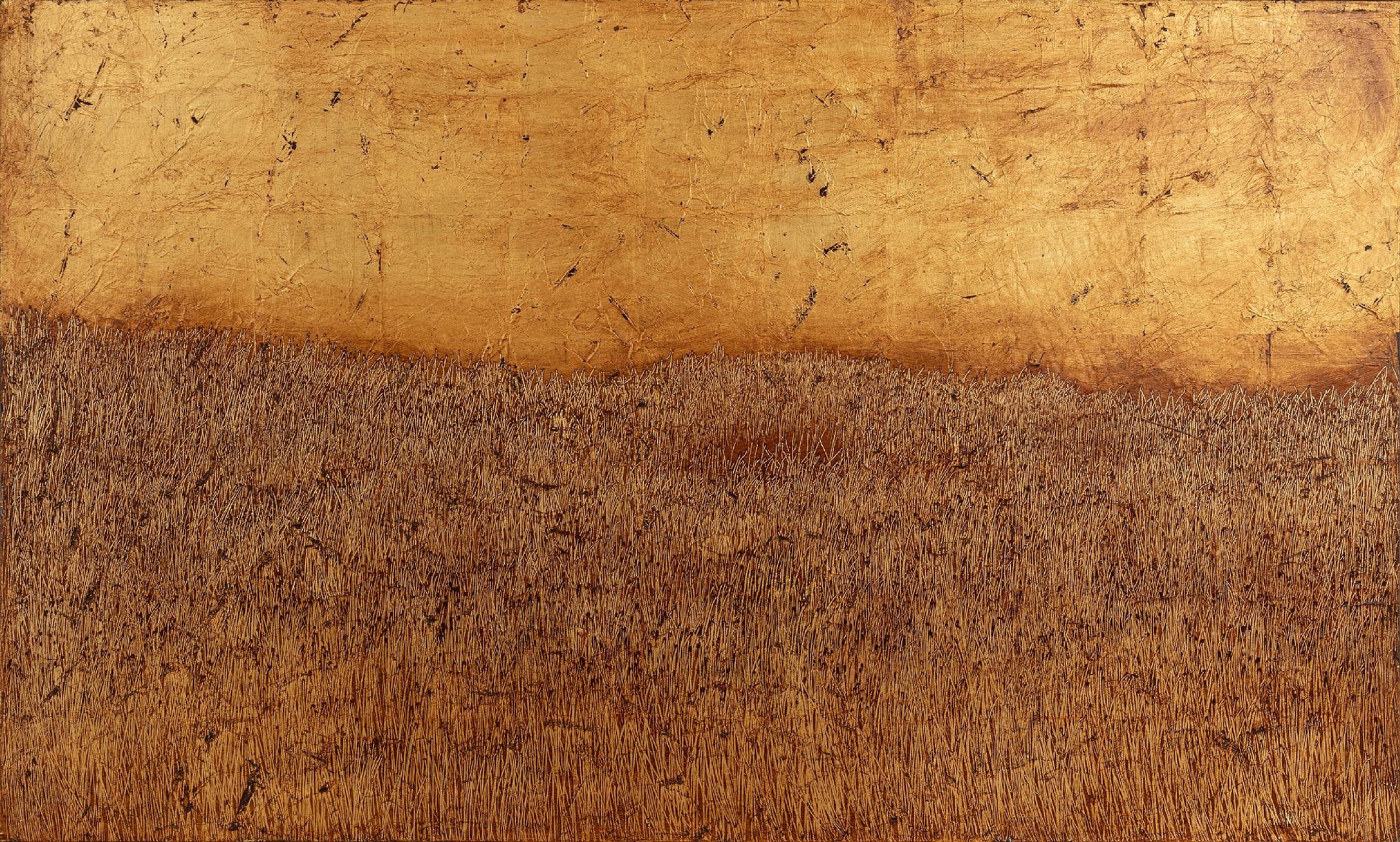
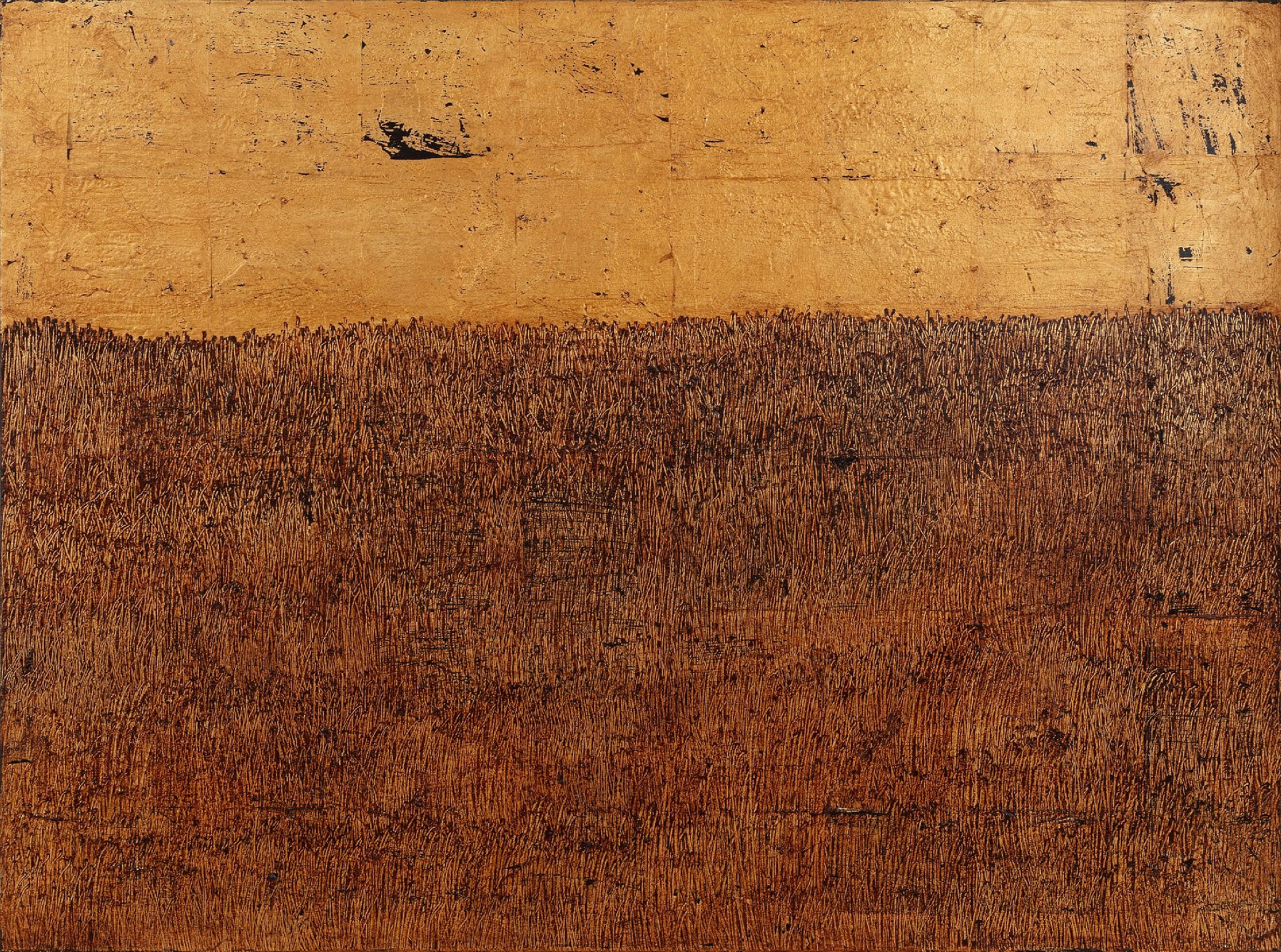
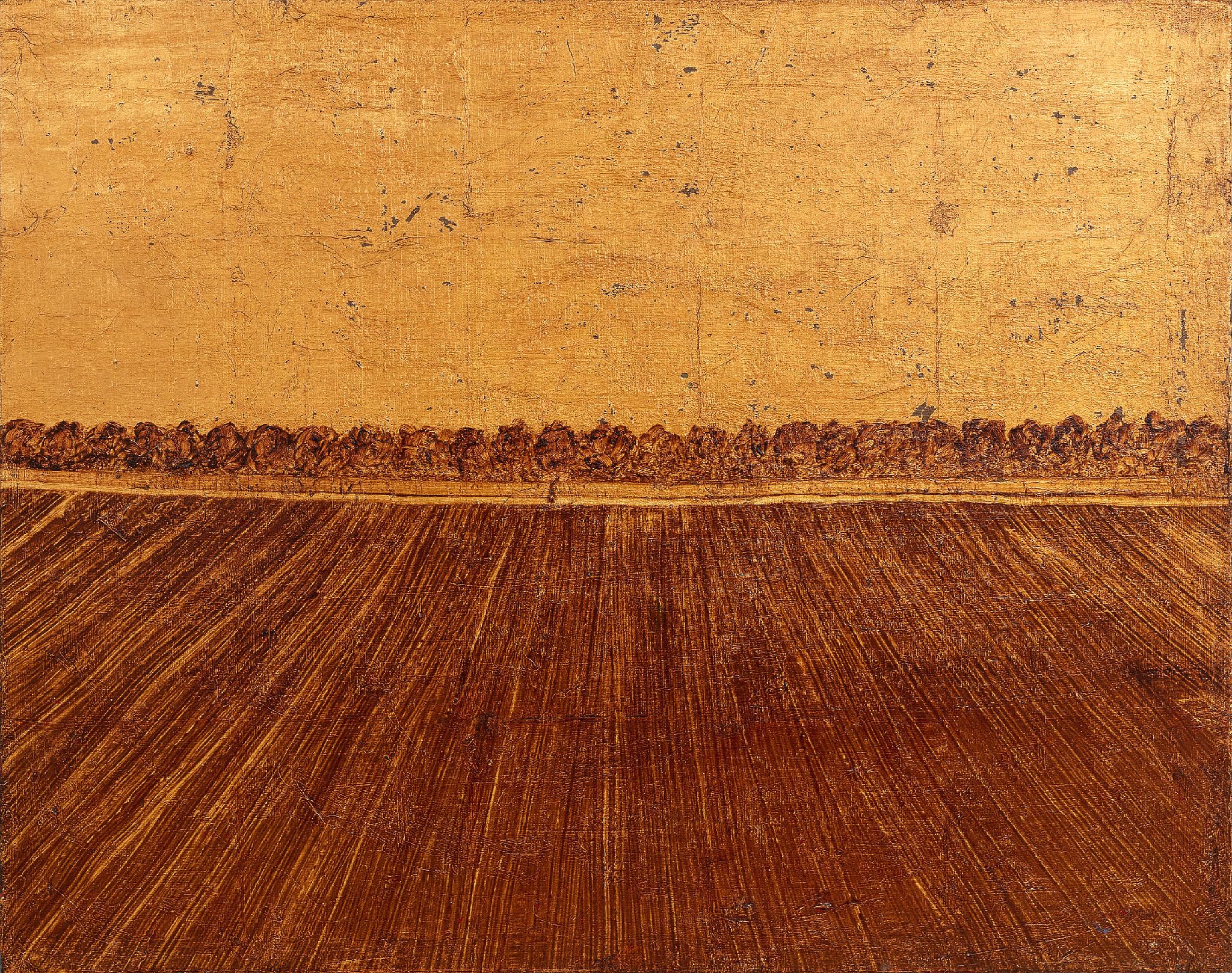
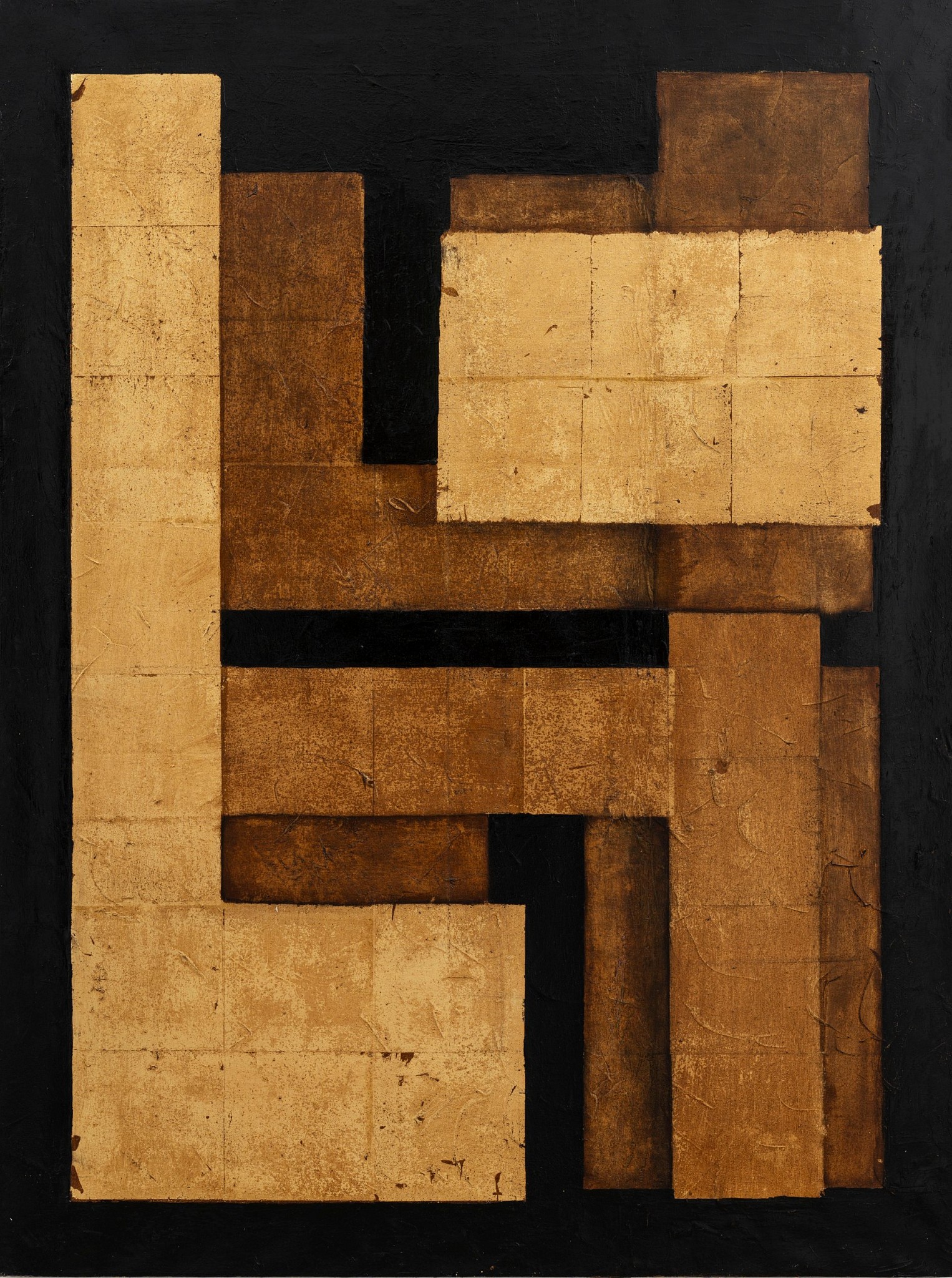
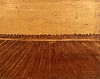
PHILIPPE UZAC, Fields III
gold leaf and oil on canvas, 85 x 115 cm
"Texture and patina are important elements in my work. But more essentially the laying bare of the past - looking for something like an unreachable truth - uncovering hidden layers of paint, is what drives me as an artist …
I look for an aesthetic in decay and try to capture it on canvas and on wood panels that I use as support to my work.
I reproduce the effects of time using all sorts of tools such as knives and spatulas, but also chemicals and waxes, sandpaper and glue. It is a gruelling and a very physical exercise, constantly scratching, rubbing and sanding off layers of paint.
It is a long process as the work consists of multi-layered artist oil paints - produced in my studio with pigments sourced in Burgundy - each layer needing to dry and be ‘worked out’ before the next one can be applied."
– Philippe Uzac
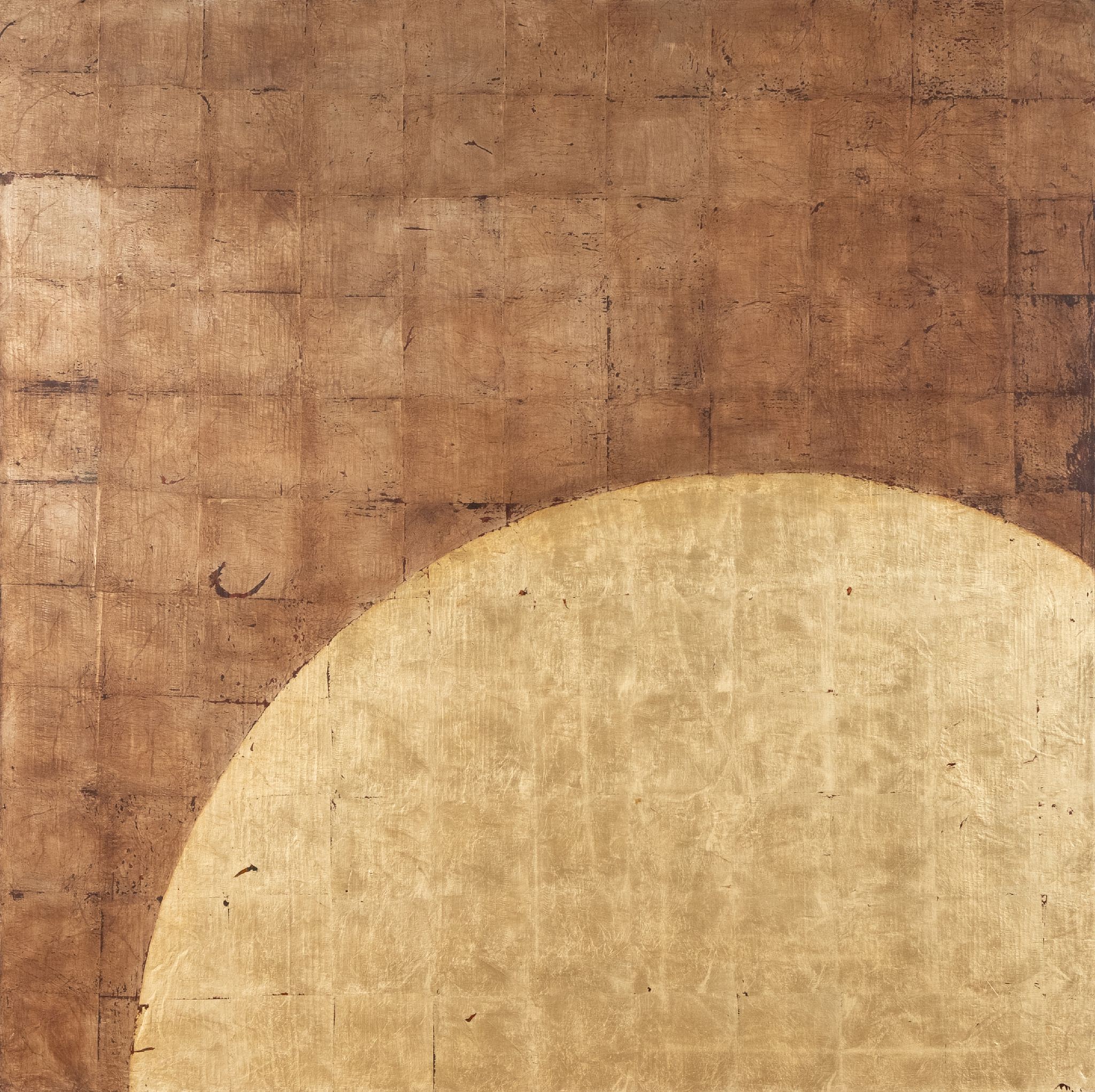
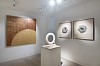
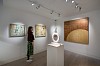
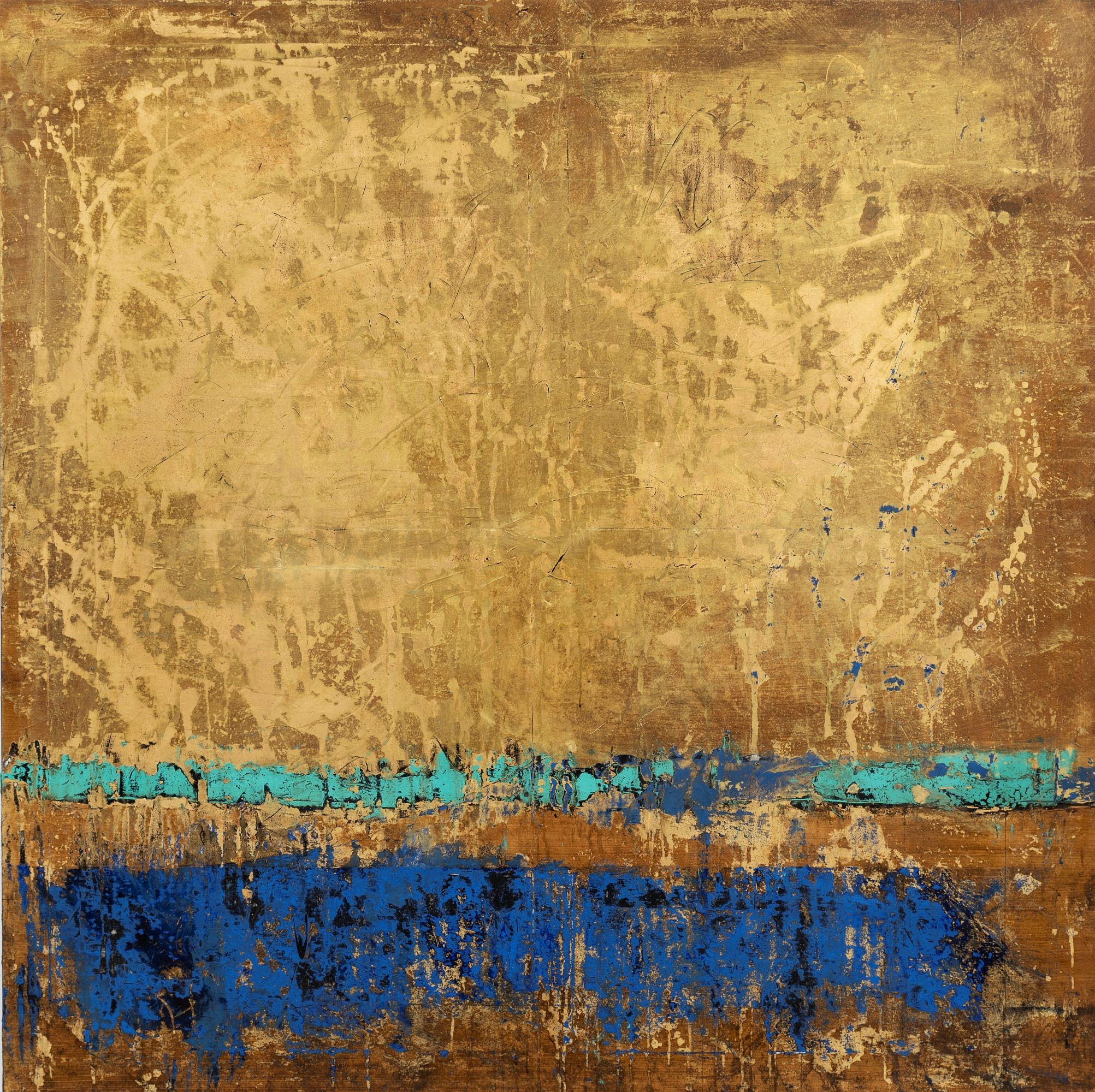
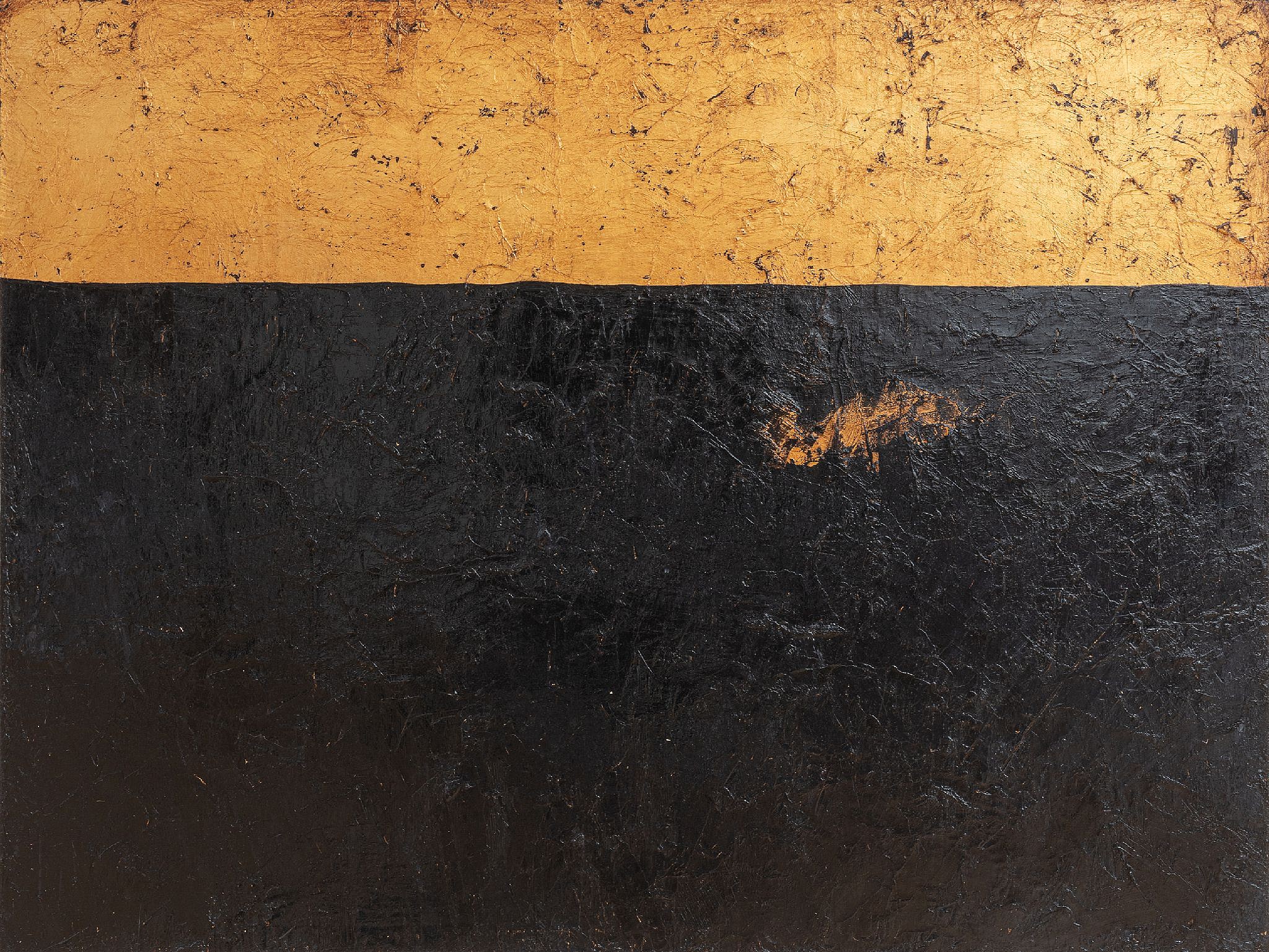
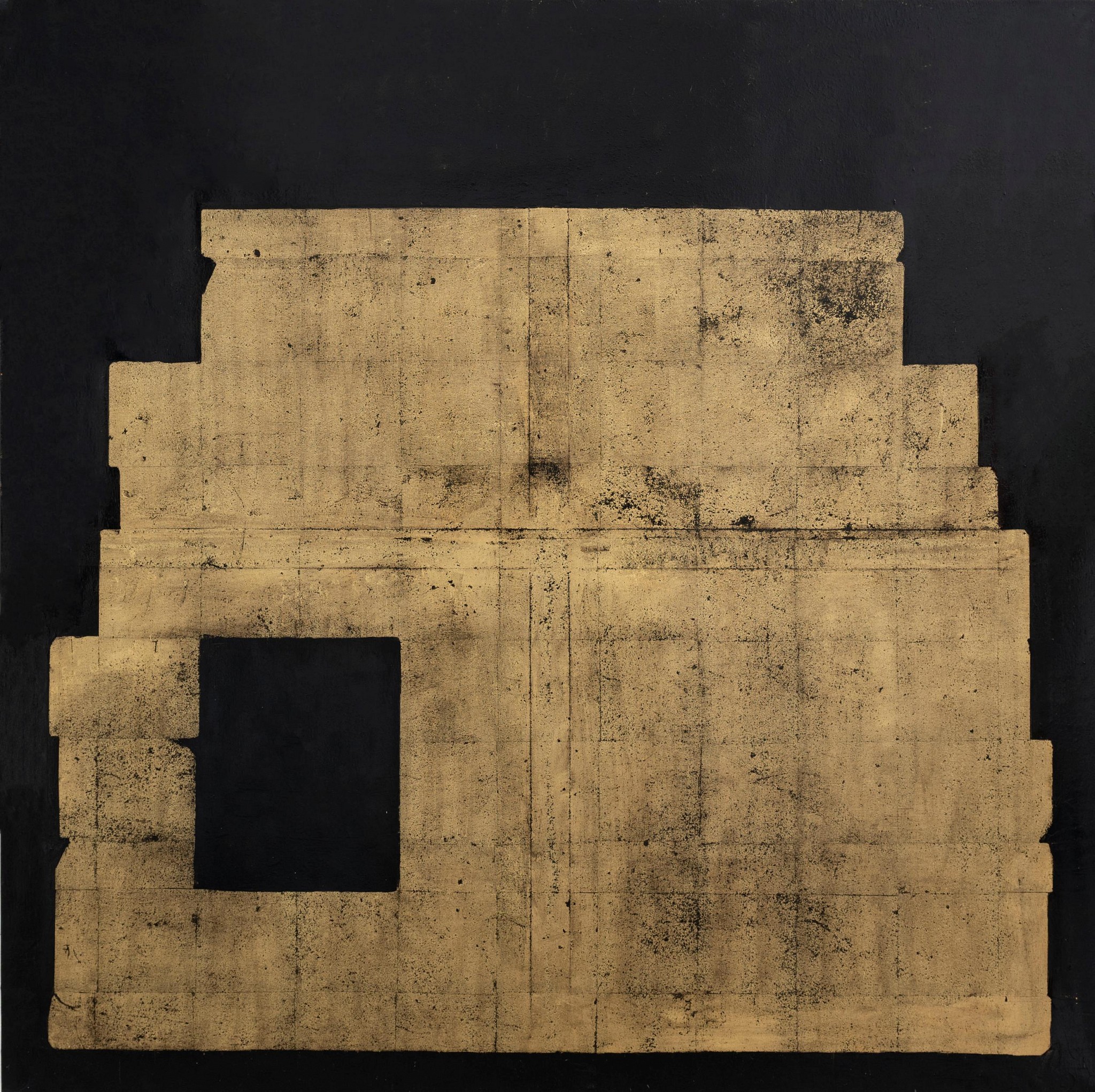
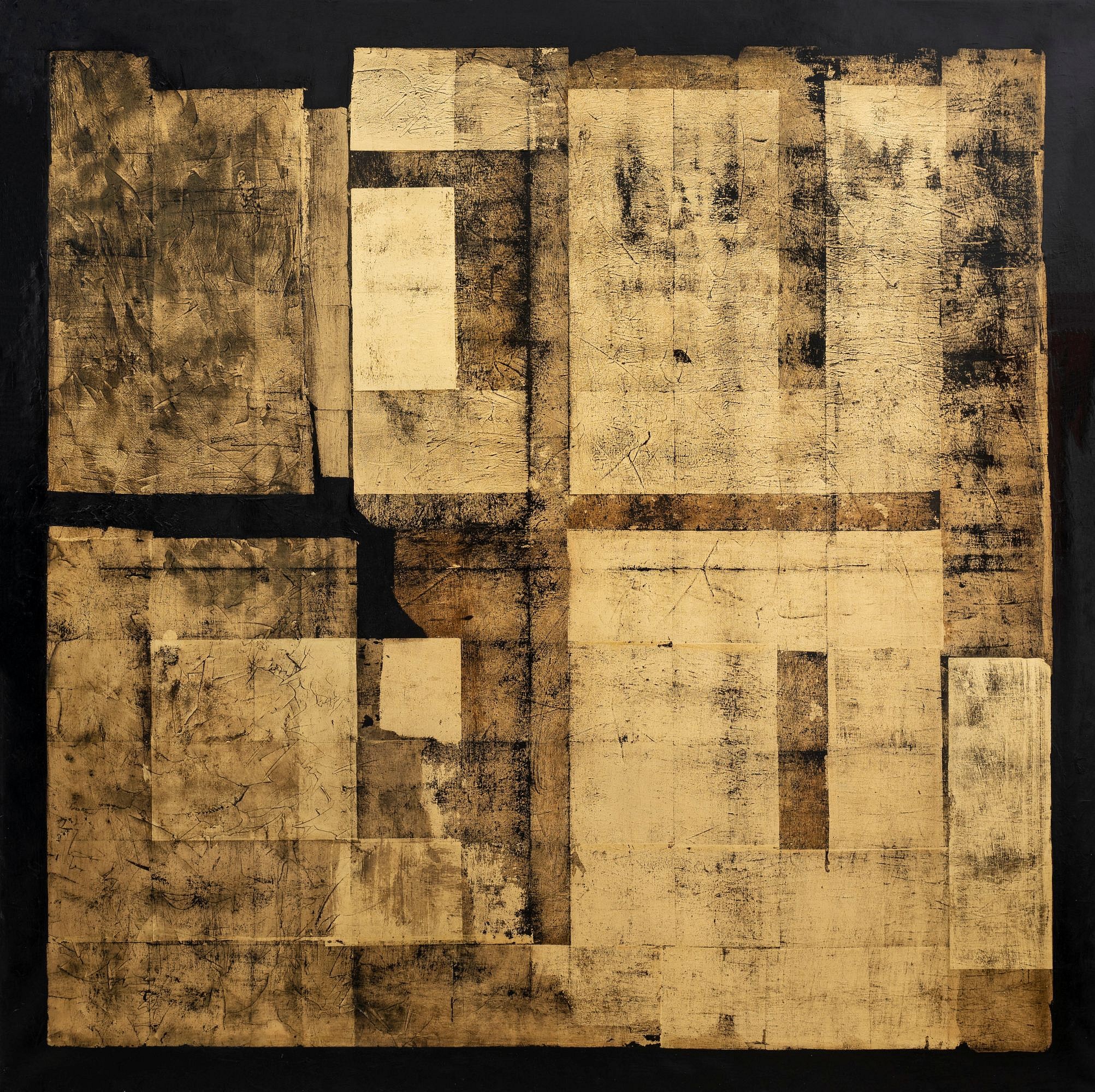
PHILIPPE UZAC, Gaia III
OIL AND GOLD LEAF ON CANVAS, 150 x 150 cm
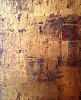
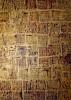
Uzac finds beauty in the weathered and rusting cityscape of downtown Johannesburg, where he kept a studio for many years. The patterns and textures resulting from layers of peeling or fading paint serve as inspiration for Uzac – a manifestation of time passing which evokes a sense of nostalgia and melancholy. ‘I look for an aesthetic in decay and try to capture it on canvas,’ says the artist.
Uzac’s works are achieved through repeated layering of oil paint – up to 15 layers painstakingly applied and allowed to dry before the next is added. Using knives, spatulas, wax and sandpaper, he emulates the effects of time by scratching, rubbing and sanding the layers of paint to achieve his signature, textured surfaces.
The artist’s apparently scarred works serve as metaphors for humanity’s futile pursuit of perfection. His process of abstraction has been described as ‘a peeling away of idea of perfection and [the] Western pursuit of man ordering nature – a pursuit that has taken our planet into its present crisis … Uzac peels away all the outer layers to lay bare the scars and imperfections of world around him, and himself.’*
‘My process starts with a layer of black paint’, explains Uzac. ‘Black is the absence of light and evokes the nothingness so dear to Heidegger. But black is also one of the first colours used by man in the neolithic age so although ‘nothing’ is on the canvas at this stage of the process, it carries already the potentiality of ‘everything’.
* Jessica Deutsch, artstolife world, February 2023
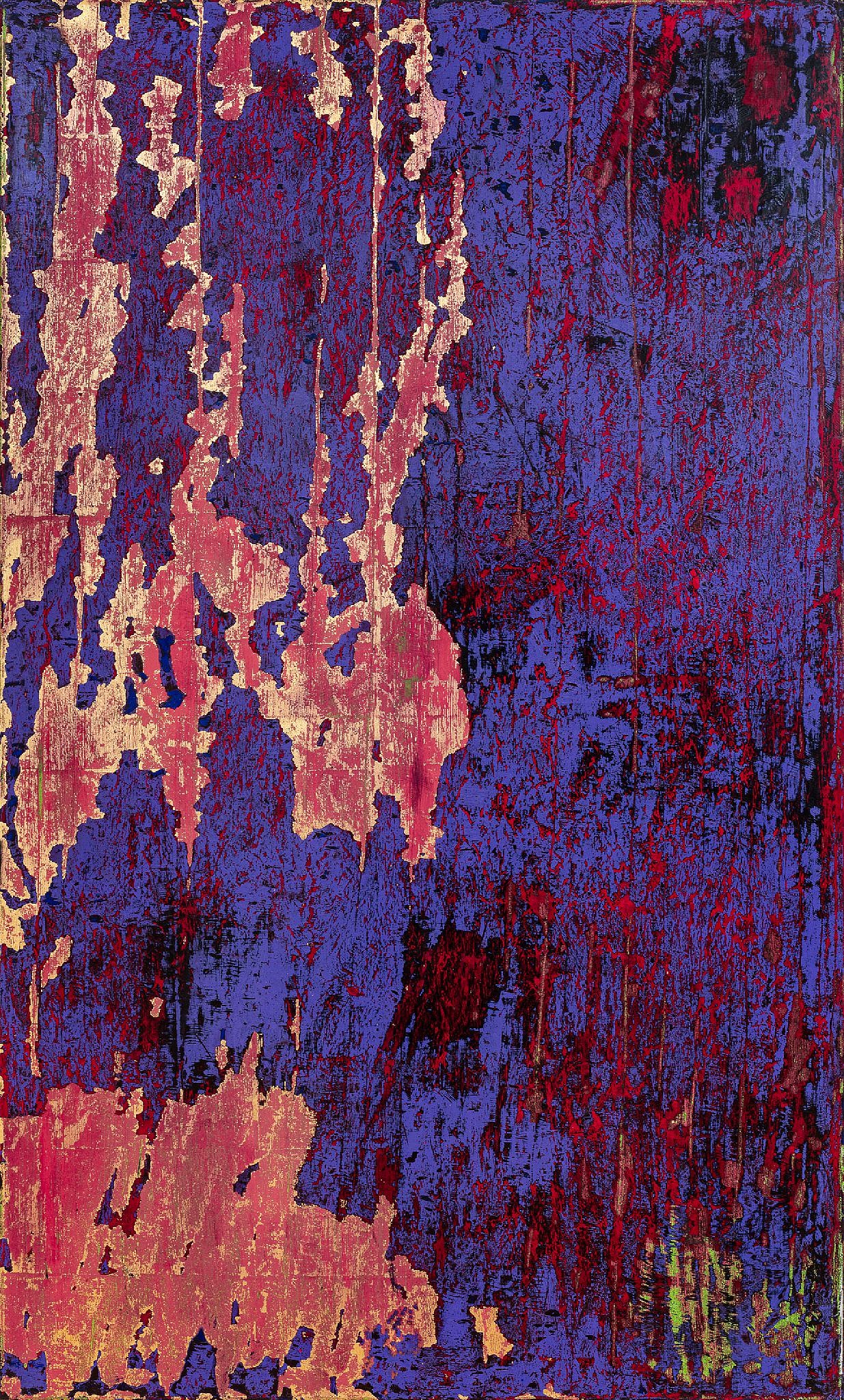

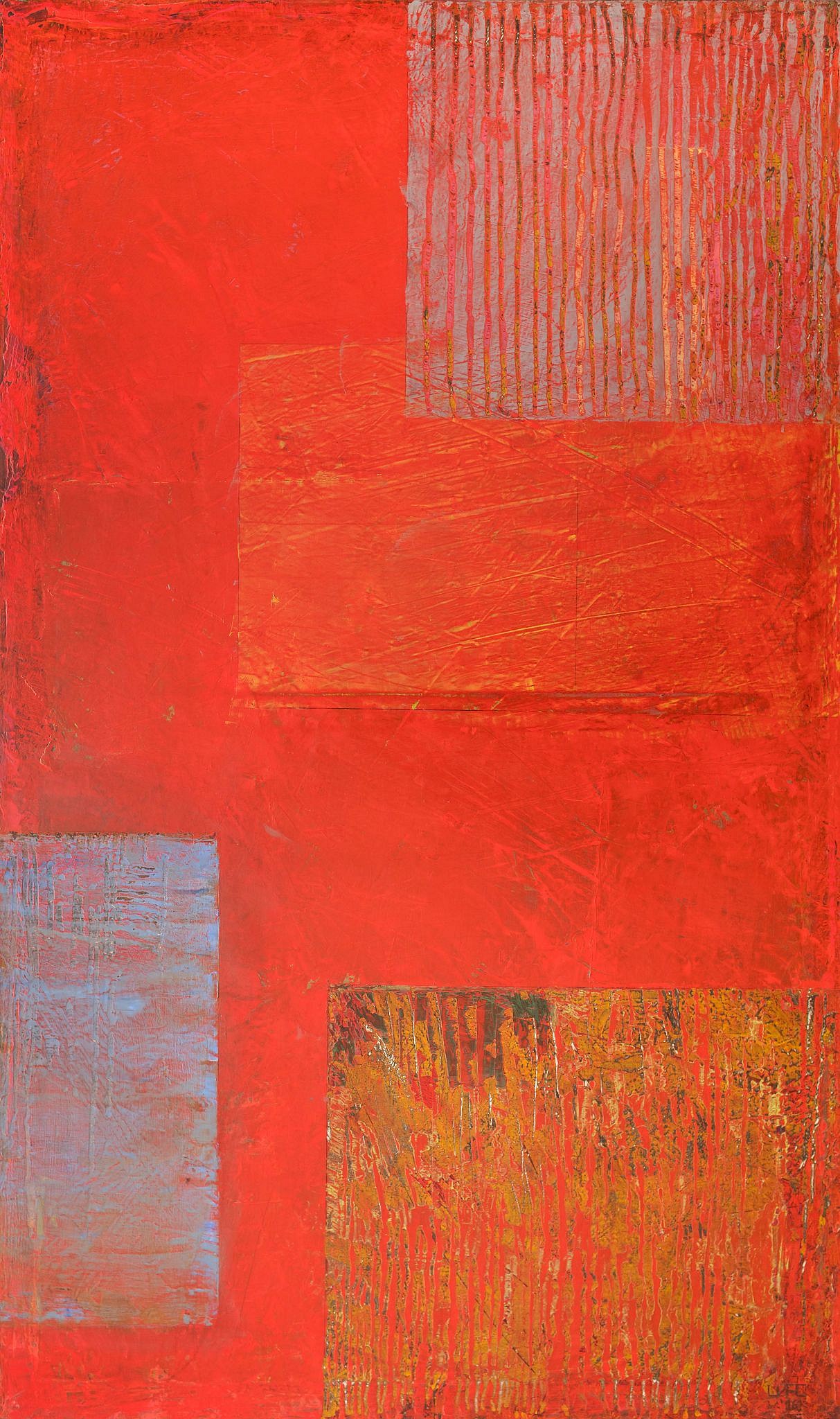
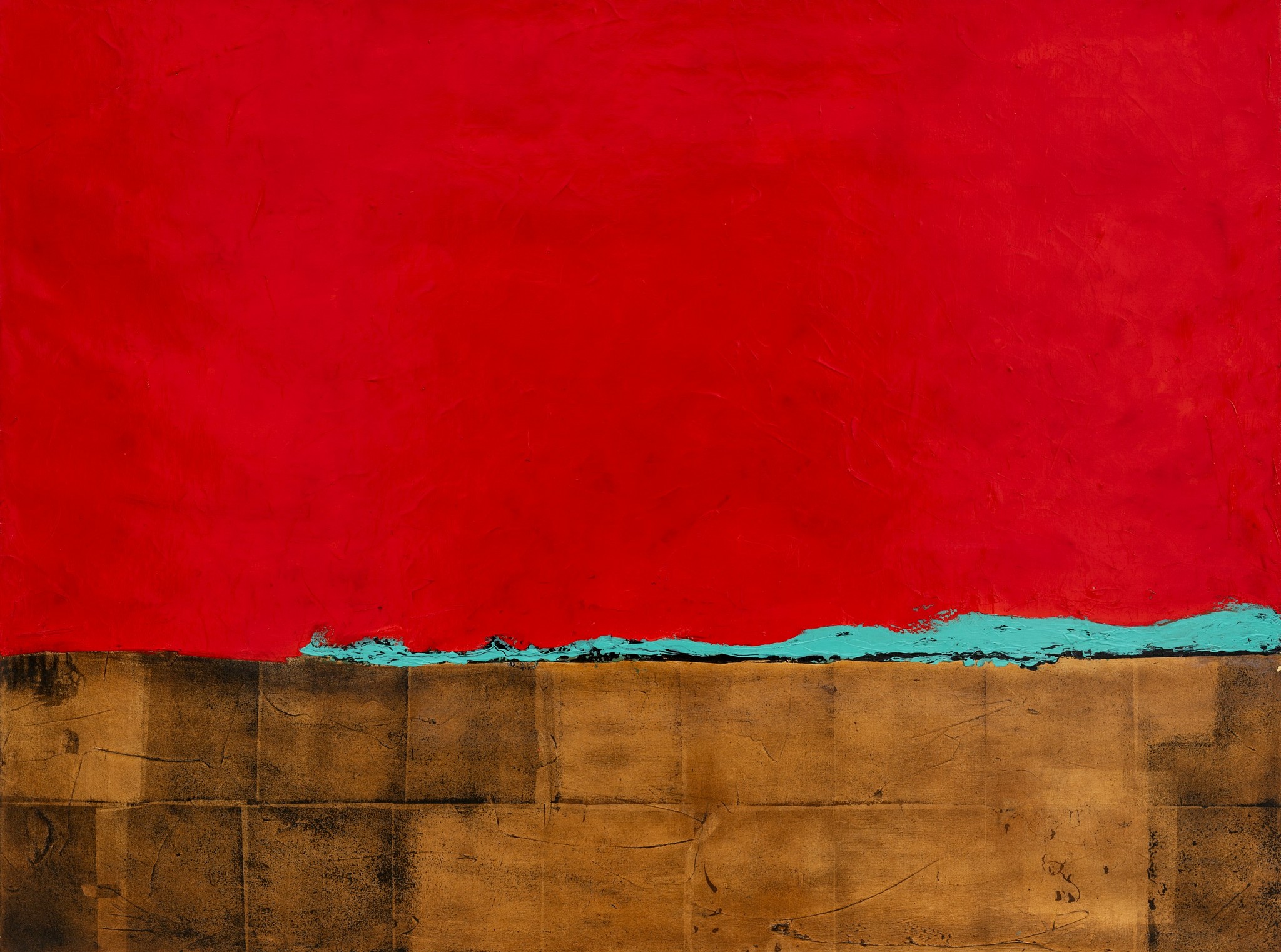
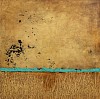
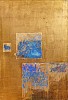
PHILIPPE UZAC, Scratched Blue
OIL AND GOLD LEAF ON CANVAS, 150 x 90 cm
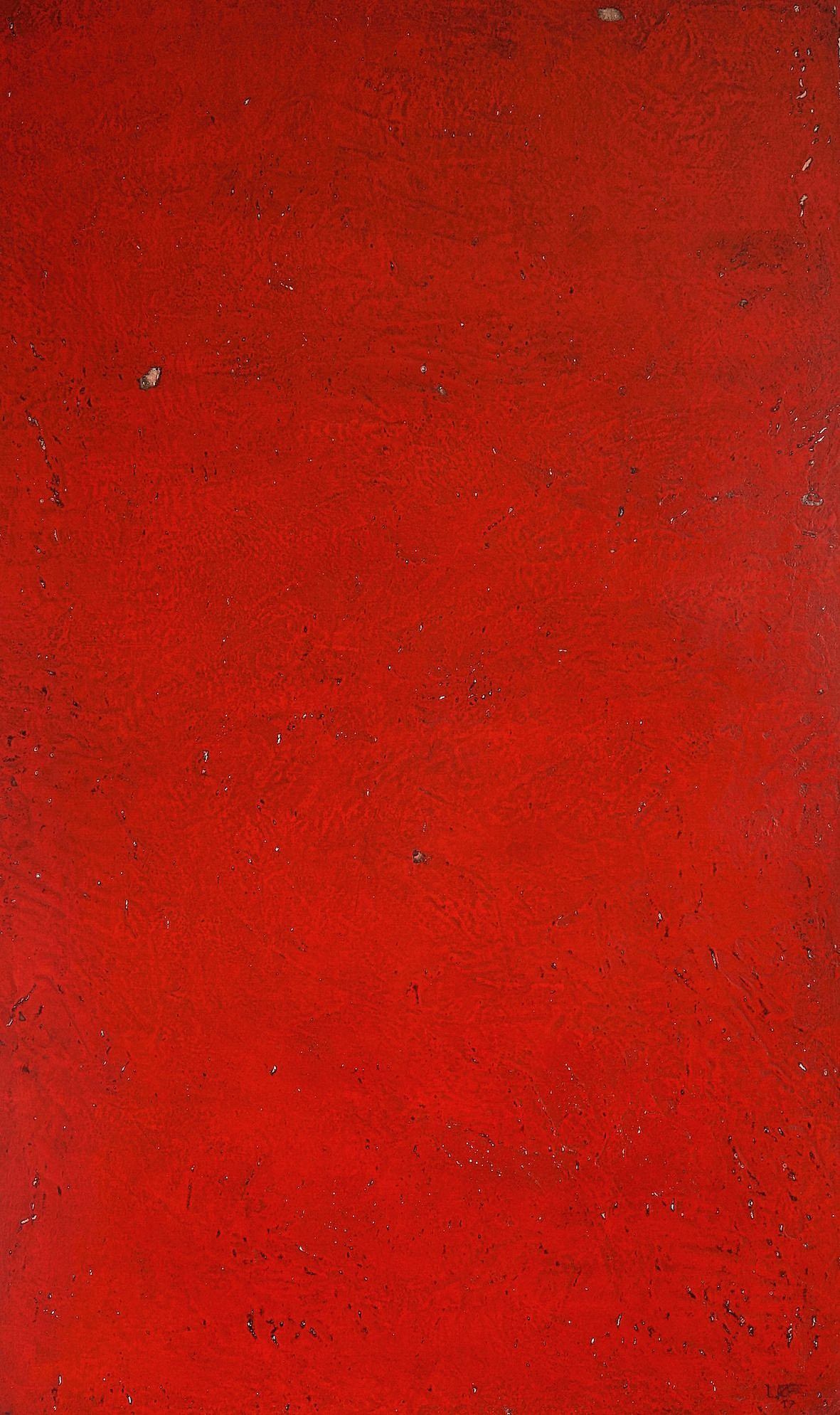

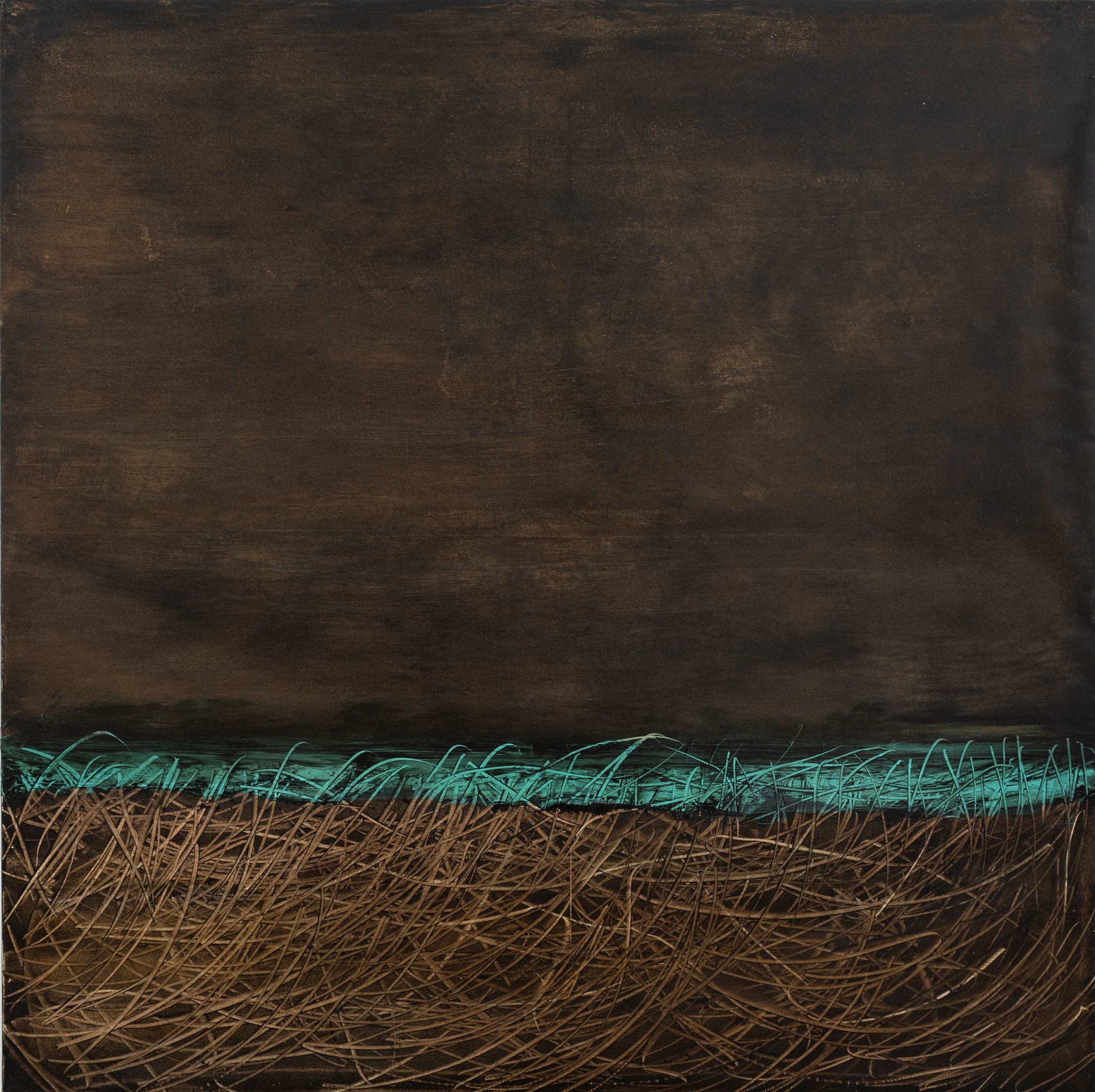
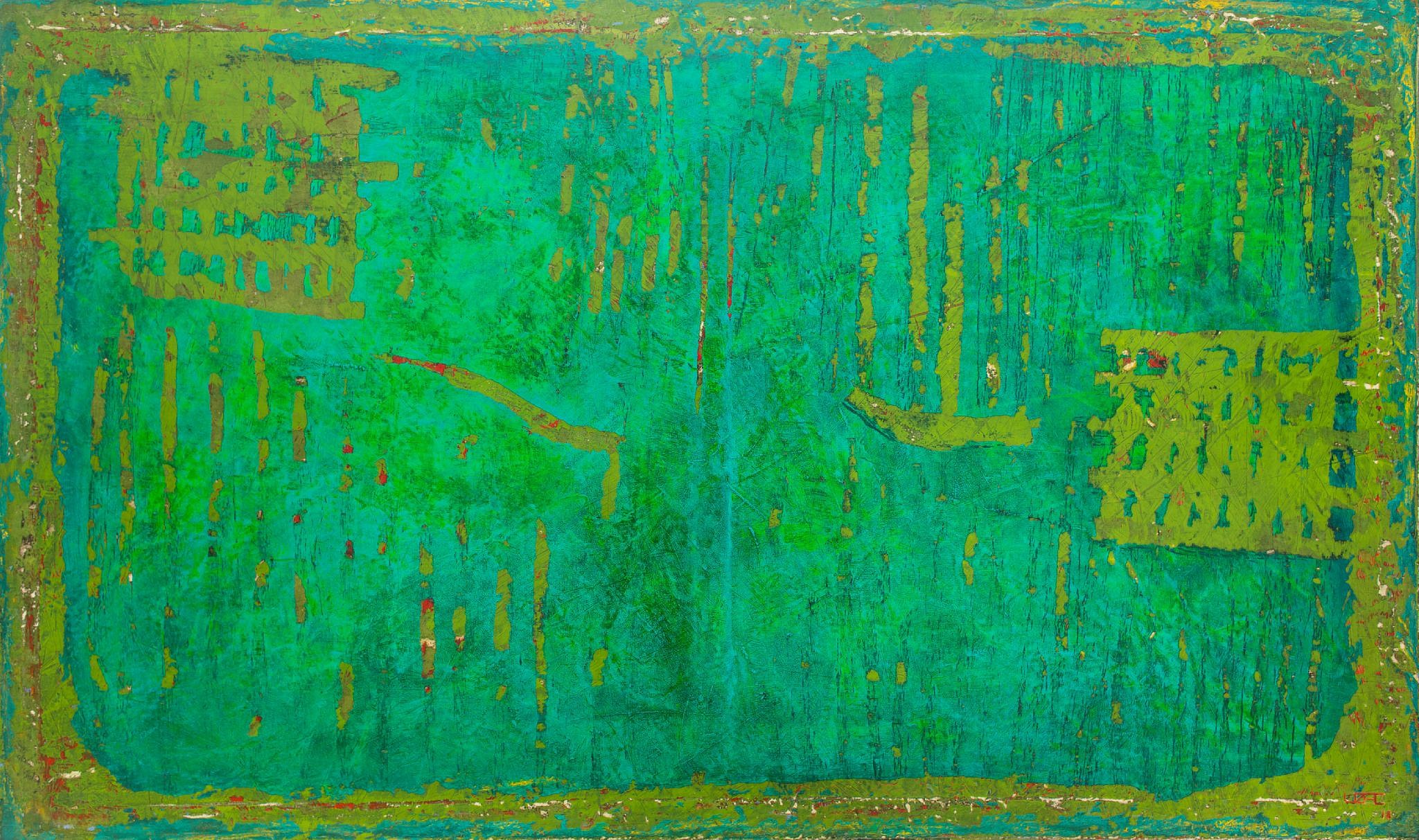
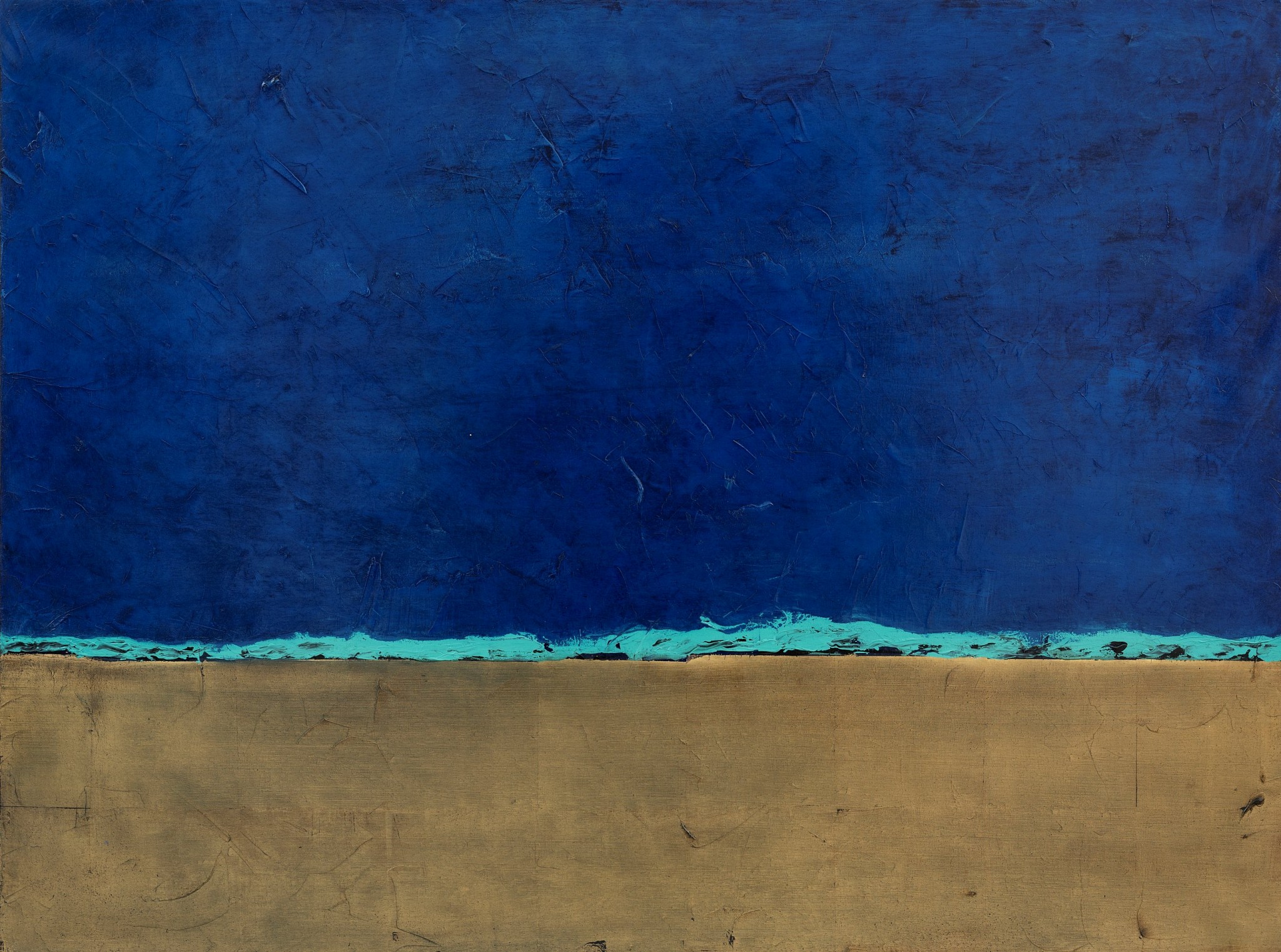
PHILIPPE UZAC, Laub 24
Oil on canvas, 150 x 90 cm
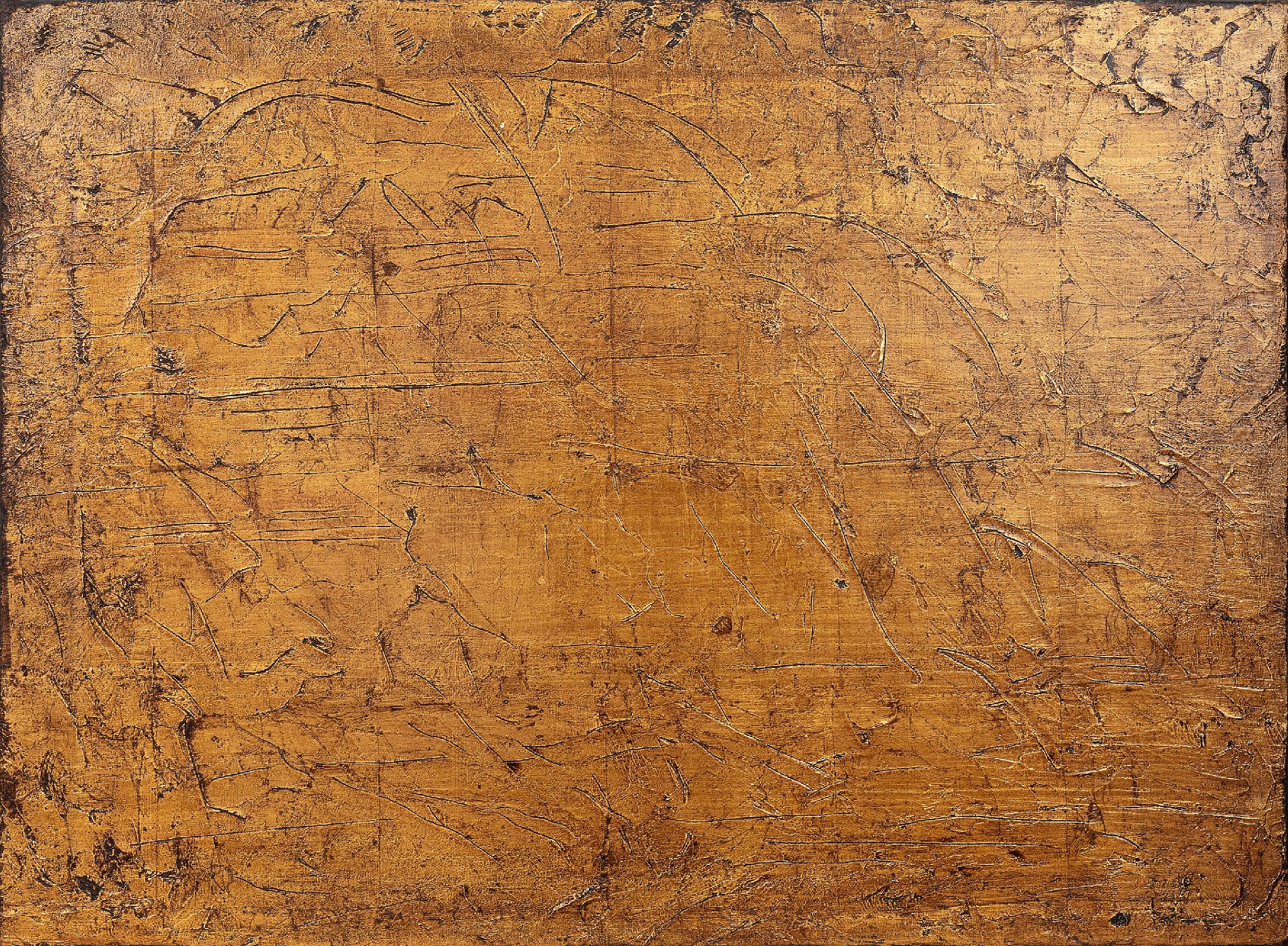
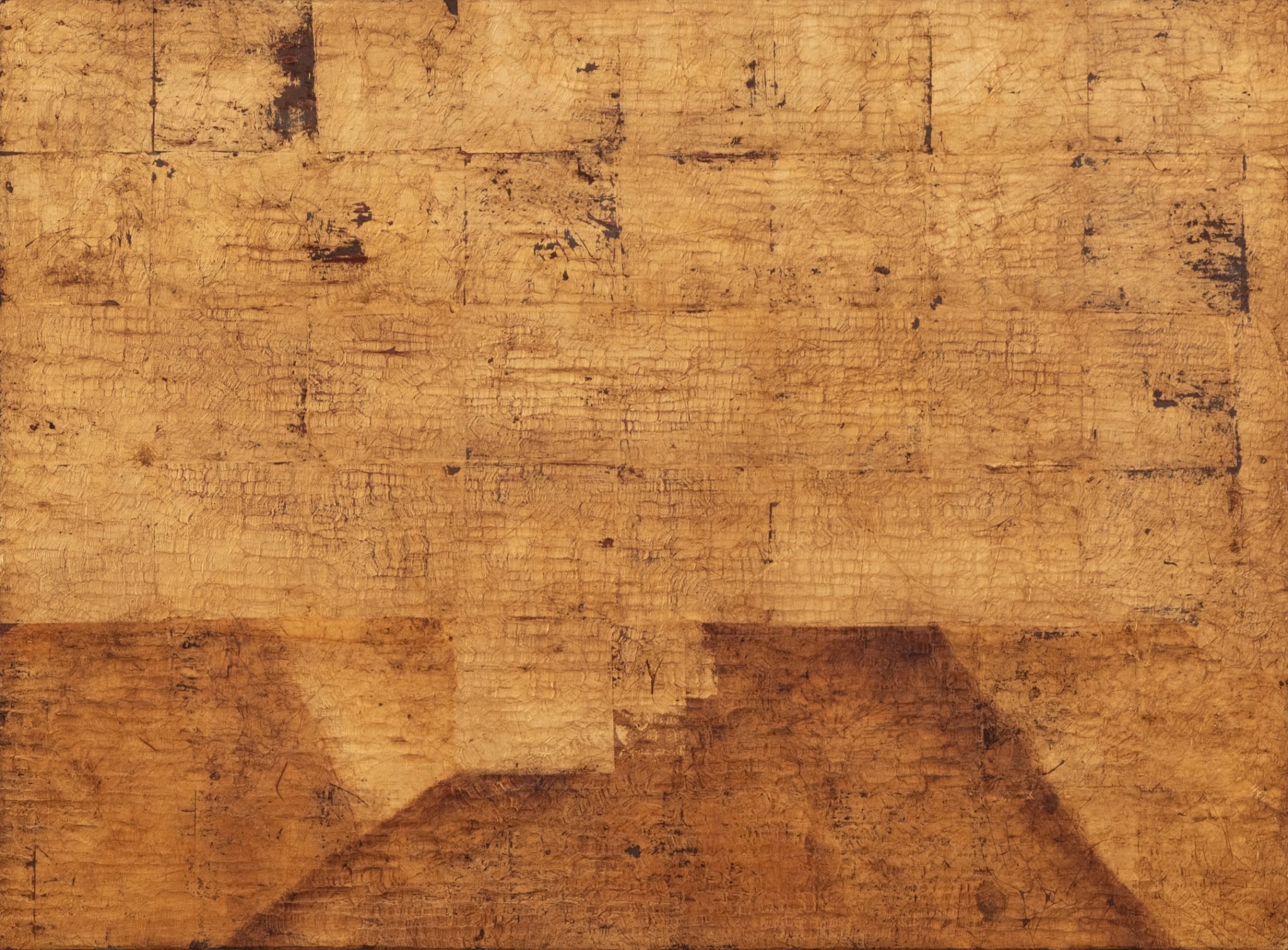
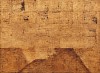
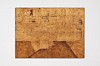
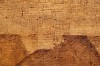
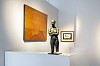
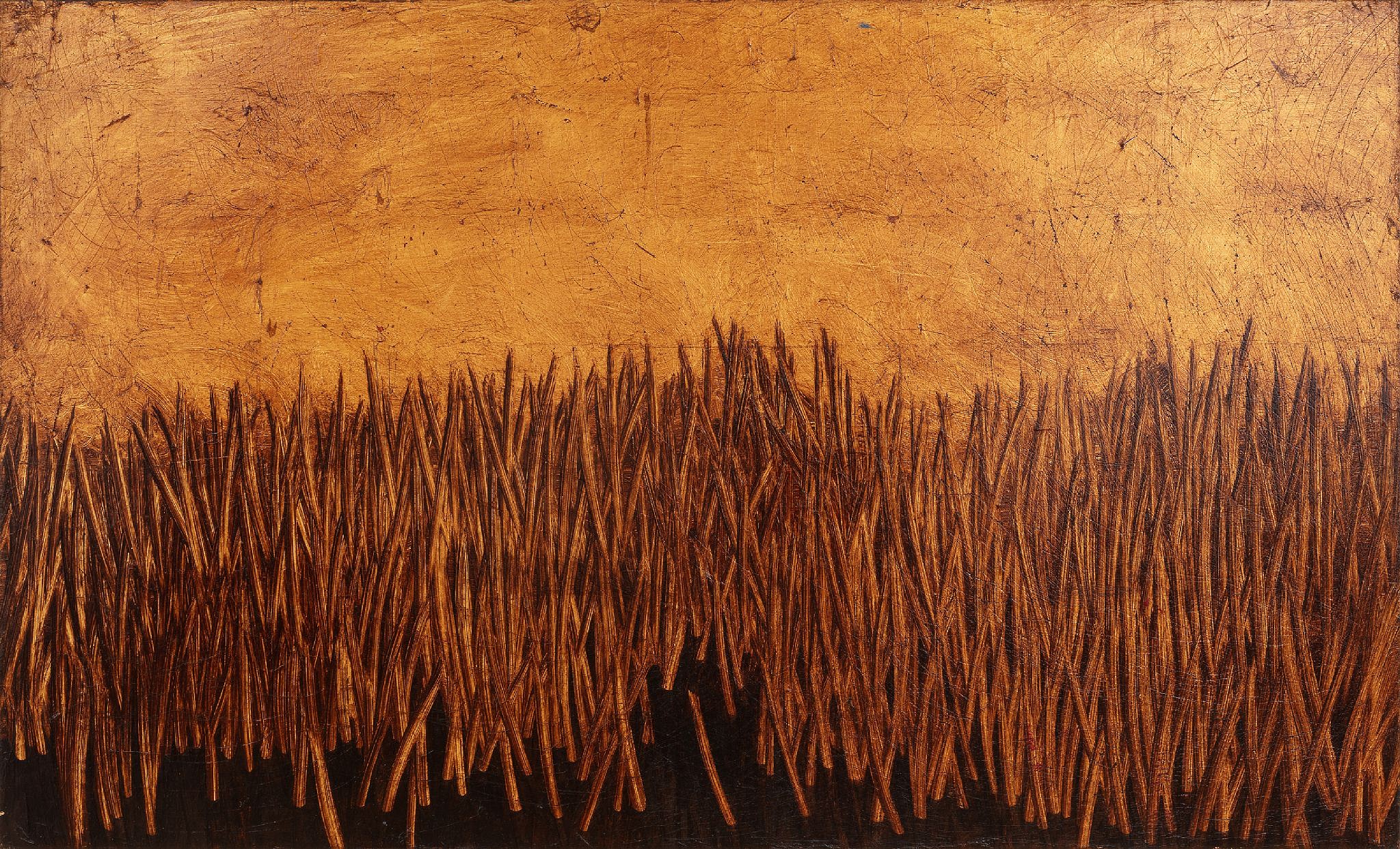
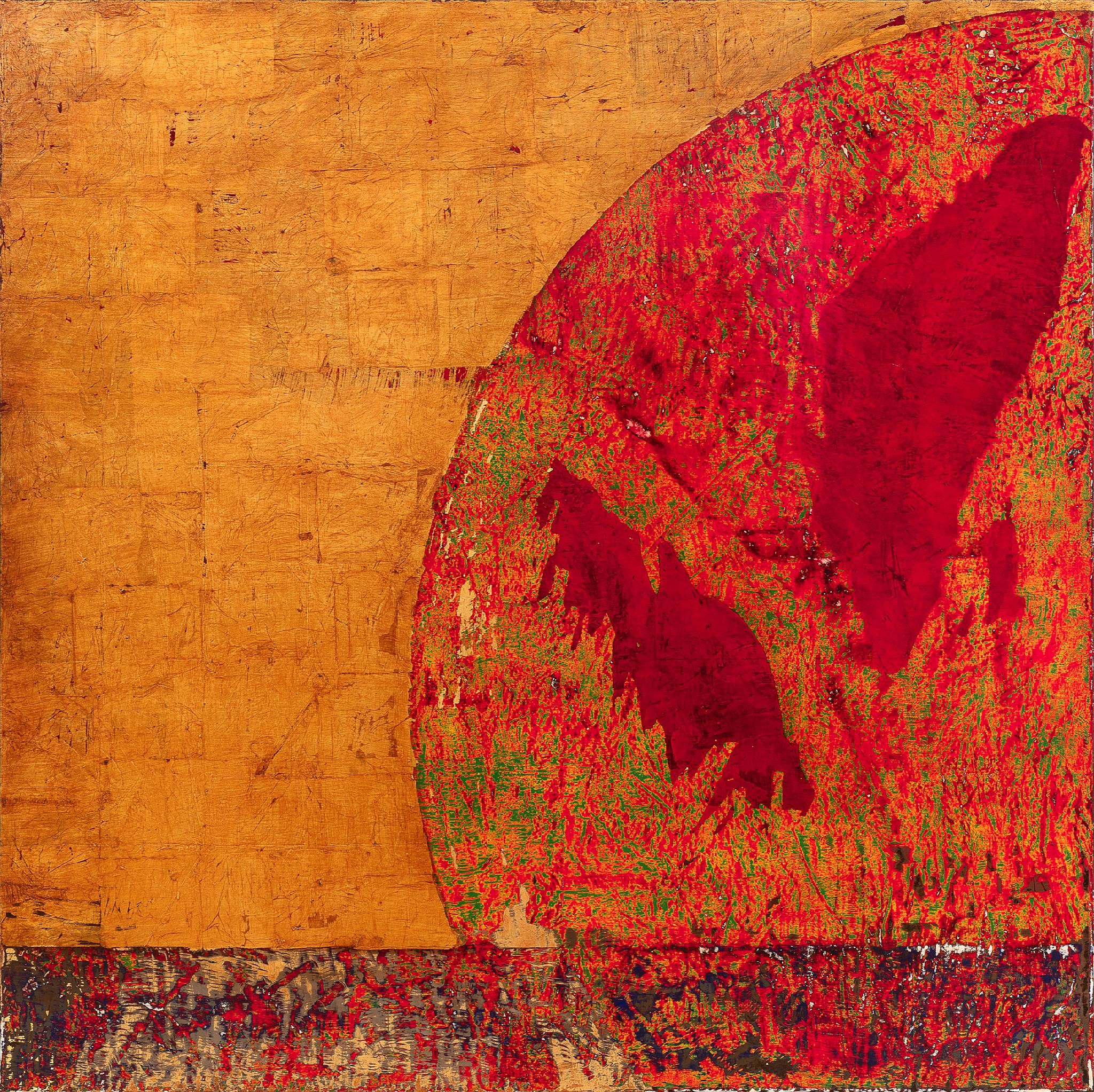
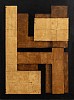
PHILIPPE UZAC, Vanishing Shape
OIL AND GOLD LEAF ON CANVAS, 85 x 115 cm
"Texture and patina are important elements in my work. But more essentially the laying bare of the past - looking for something like an unreachable truth - uncovering hidden layers of paint, is what drives me as an artist …
I look for an aesthetic in decay and try to capture it on canvas and on wood panels that I use as support to my work.
I reproduce the effects of time using all sorts of tools such as knives and spatulas, but also chemicals and waxes, sandpaper and glue. It is a gruelling and a very physical exercise, constantly scratching, rubbing and sanding off layers of paint.
It is a long process as the work consists of multi-layered artist oil paints - produced in my studio with pigments sourced in Burgundy - each layer needing to dry and be ‘worked out’ before the next one can be applied."
– Philippe Uzac
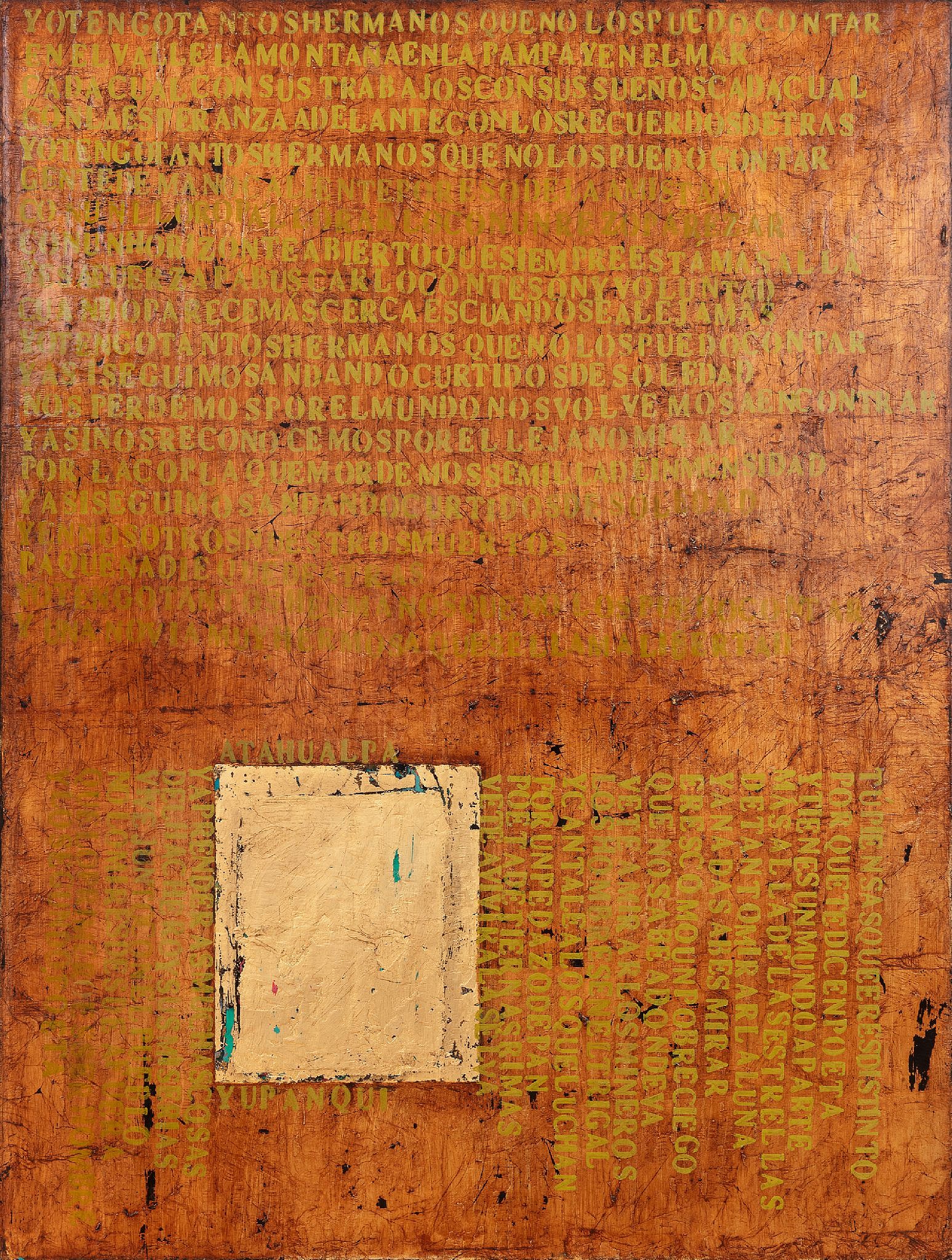
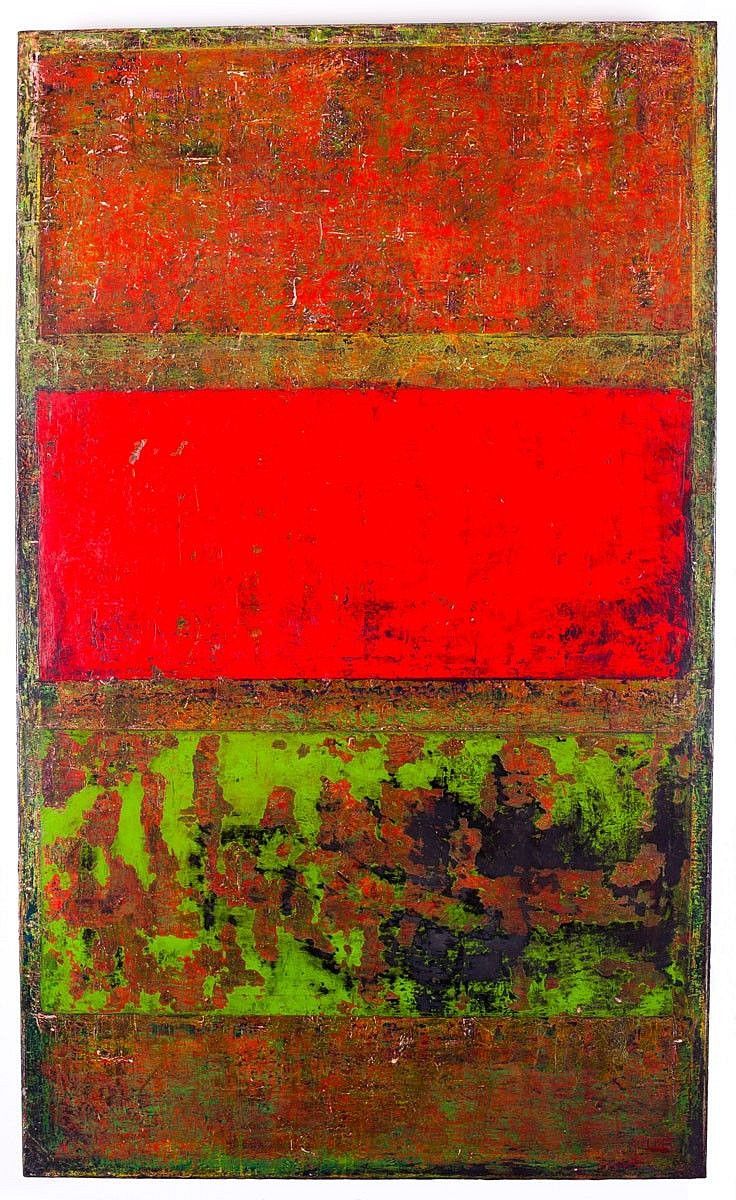
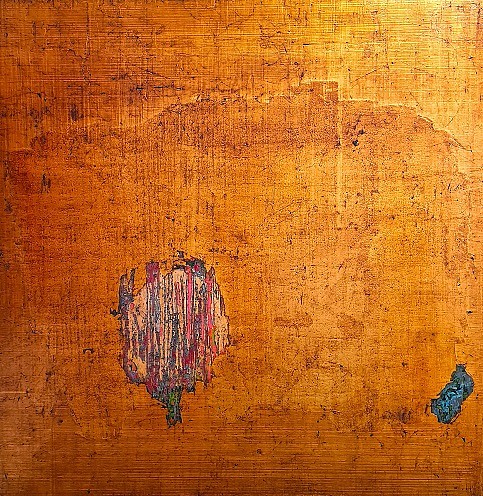
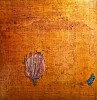
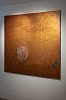
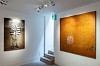
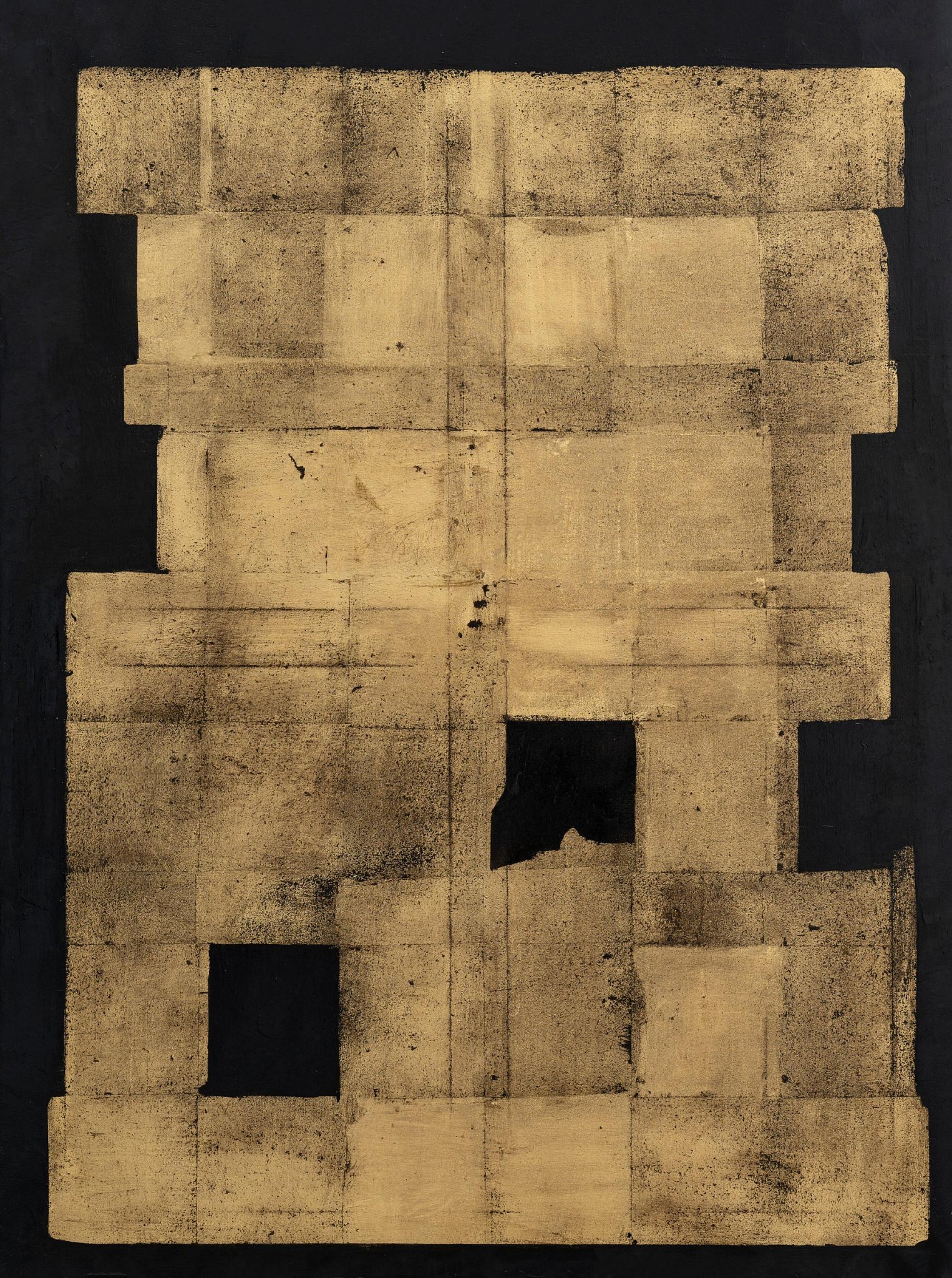
PHILIPPE UZAC, eGoli 20
OIL AND GOLD LEAF ON CANVAS, 150 x 150 cm
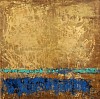
Philippe Uzac’s shimmering abstract works take their name from the isiZulu word for Johannesburg, eGoli or “city of gold”. Texture and patina are important elements of Uzac’s work. “My paintings are pieces of decay inspired by the inner-city industrial fringes where my studio is located. Downtown Johannesburg is an area that has tentatively been recovered from deterioration. Some of its surroundings are still rusted, stained, faded or disjointed… forming interesting patterns with rich textures, colours and tones in which any attentive observer can find beauty.”
Contact: info@everardlondon.com
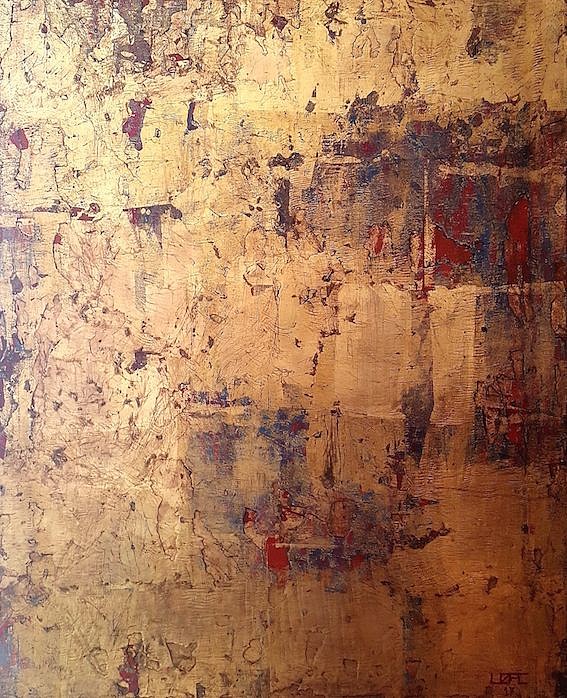
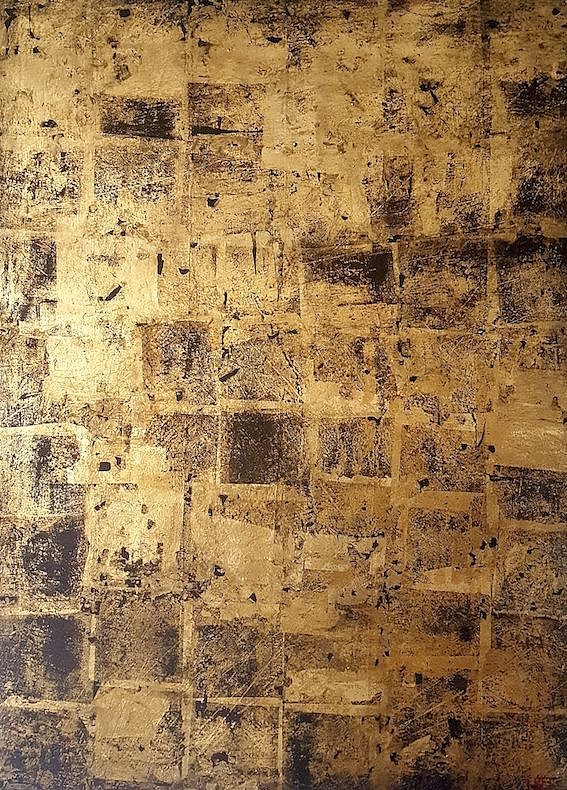
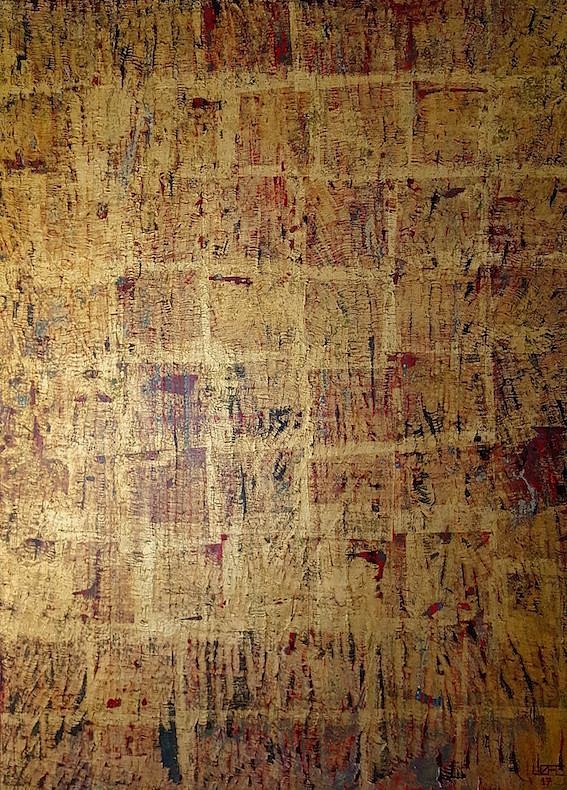
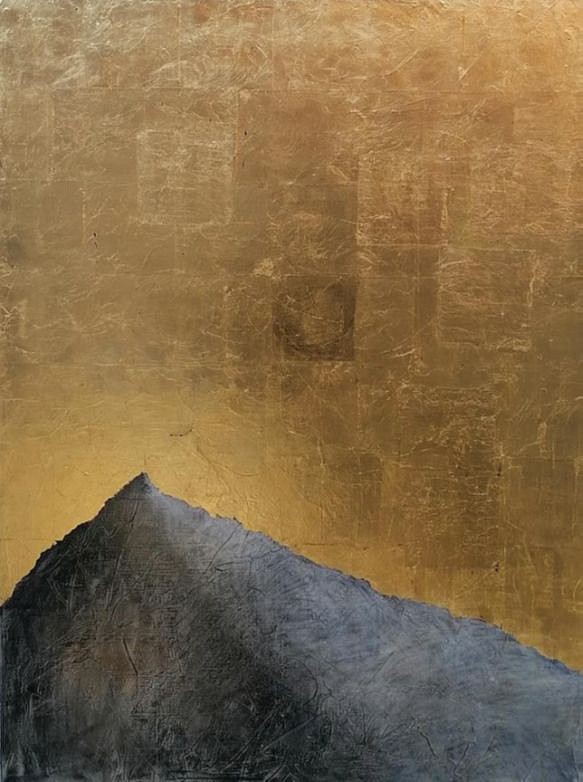
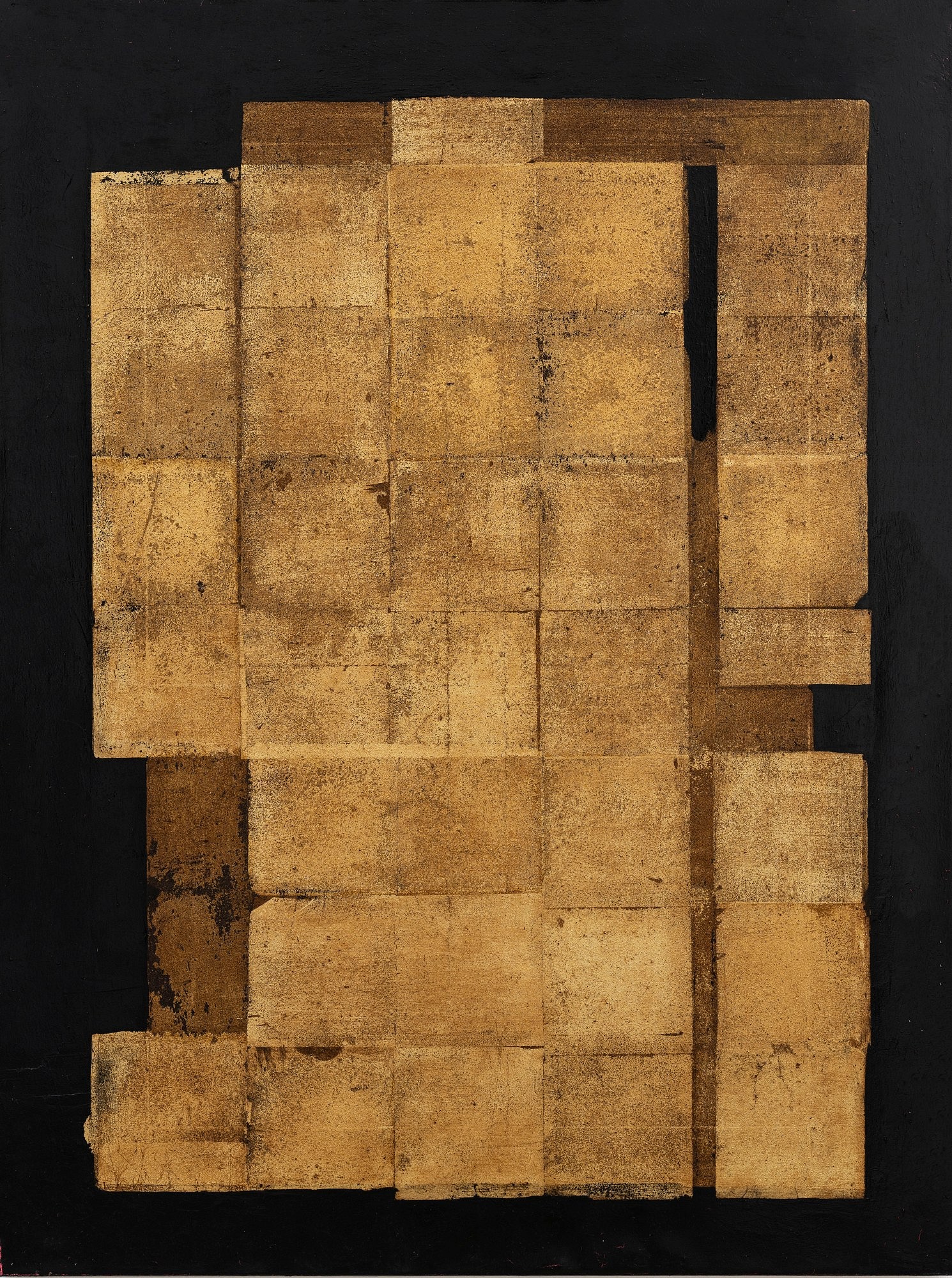
PHILIPPE UZAC, Egoli Series
OIL AND GOLD LEAF ON CANVAS, 120 x 90 cm
‘Texture and patina are important elements in my work. But more essentially the laying bare of the past – looking for something like an unreachable truth – uncovering hidden layers of paint, is what drives me as an artist.
I reproduce the effects of time using all sort of tools such as knives and spatulas, but also chemicals and waxes, sandpaper and glue. It is a gruelling and a very physical exercise, constantly scratching, rubbing and sanding off layers of paint – each layer needing to dry and be “worked out” before the next one can be applied.
My work is abstract in essence, each piece being an object in itself. I work under the urge of bringing together interacting elements – a kind of vital incubation – producing eventually an epiphany of forms, textures and colours.’
– Philippe Uzac
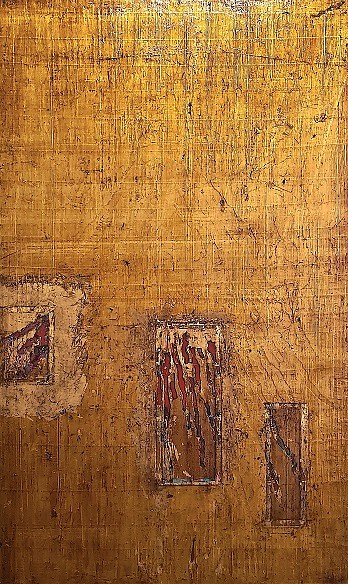
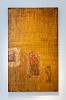
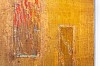
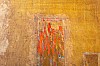
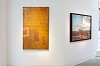
PHILIPPE UZAC, eGoli22
OIL AND GOLD LEAF ON CANVAS, 150 x 90 cm
Philippe Uzac’s shimmering abstract works take their name from the isiZulu word for Johannesburg, eGoli or “city of gold”. Texture and patina are important elements of Uzac’s work. “My paintings are pieces of decay inspired by the inner-city industrial fringes where my studio is located. Downtown Johannesburg is an area that has tentatively been recovered from deterioration. Some of its surroundings are still rusted, stained, faded or disjointed… forming interesting patterns with rich textures, colours and tones in which any attentive observer can find beauty.”
Contact: info@everardlondon.com
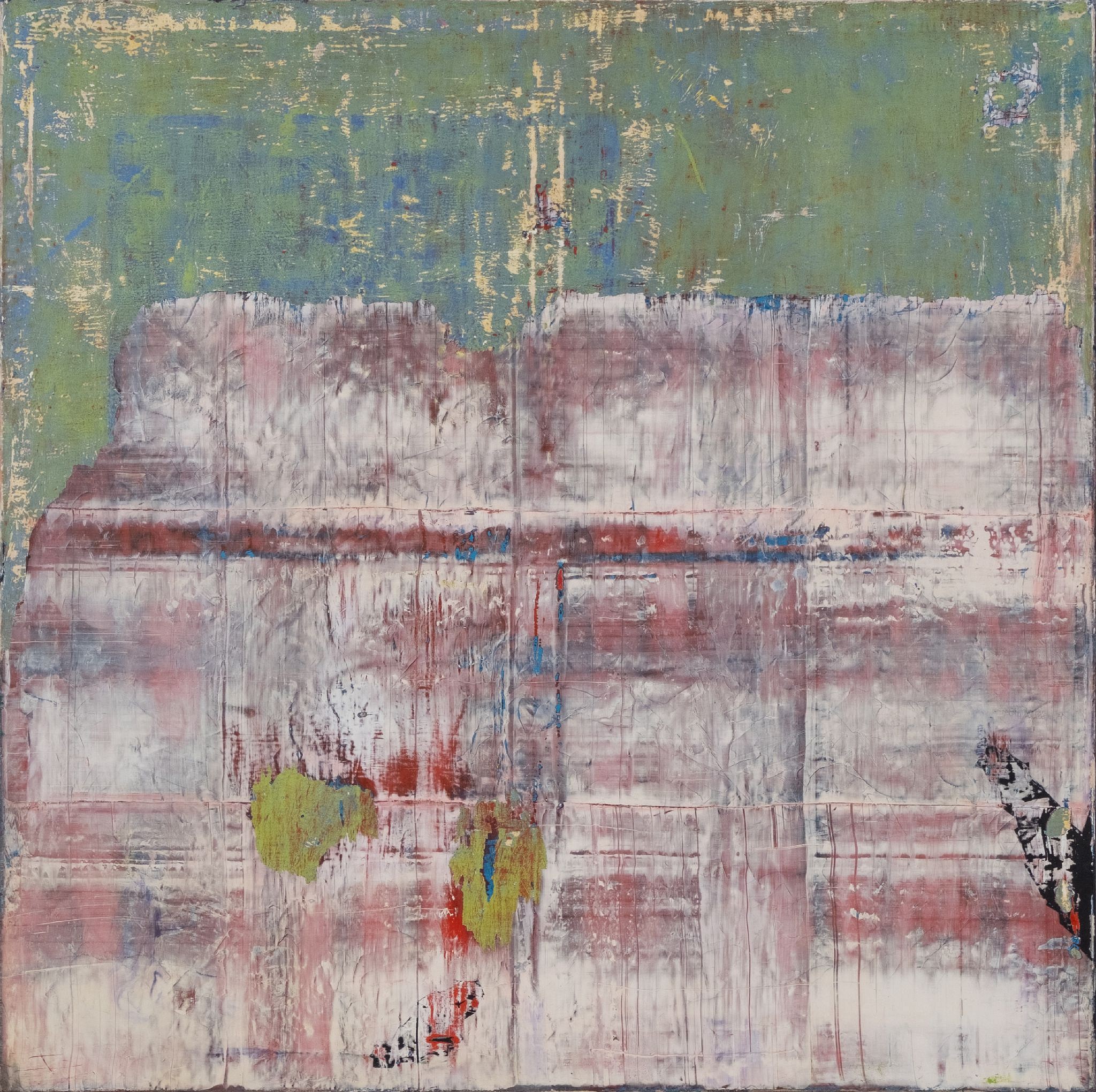


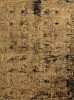
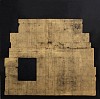
PHILIPPE UZAC, The Wall
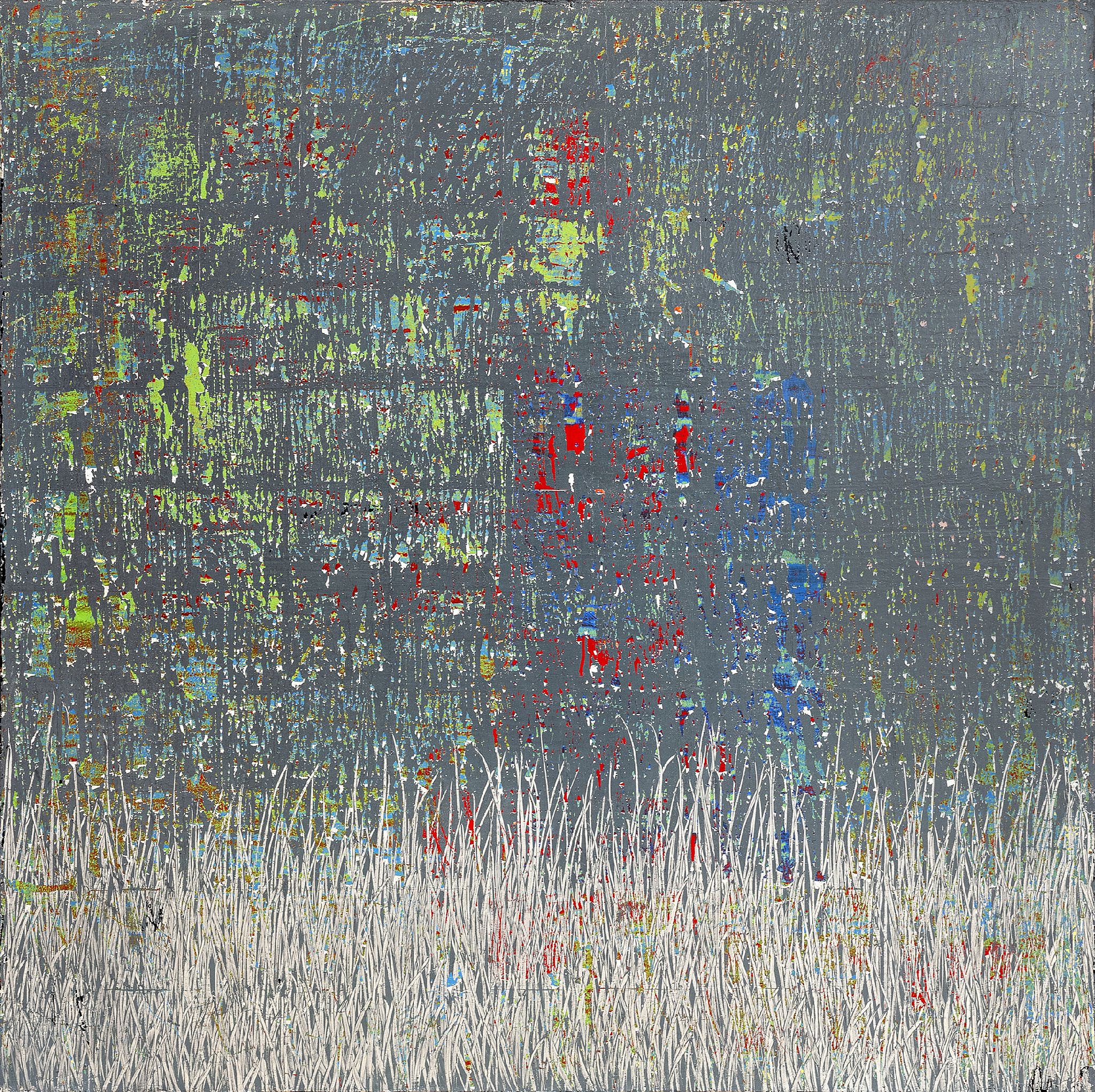
Oil on canvas, 150 x 150 cm
‘Texture and patina are important elements in my work. But more essentially the laying bare of the past – looking for something like an unreachable truth – uncovering hidden layers of paint, is what drives me as an artist. I look for an aesthetic in decay and try to capture it on canvas and on wood panels that I use as support to my work. I reproduce the effects of time using all sorts of tools such as knives and spatulas, but also chemicals and waxes, sandpaper and glue. It is a gruelling and a very physical exercise, constantly scratching, rubbing and sanding off layers of paint. My work is abstract in essence, each piece being an object in itself. I work under the urge of bringing together interacting elements – a kind of vital incubation – producing eventually an epiphany of forms, textures and colours.’














Specialists in contemporary art from South Africa. Established in 1913. South African artists are part of the global conversation. We seek to make their voices heard.