
DIRECTOR'S SELECTION | May 2026
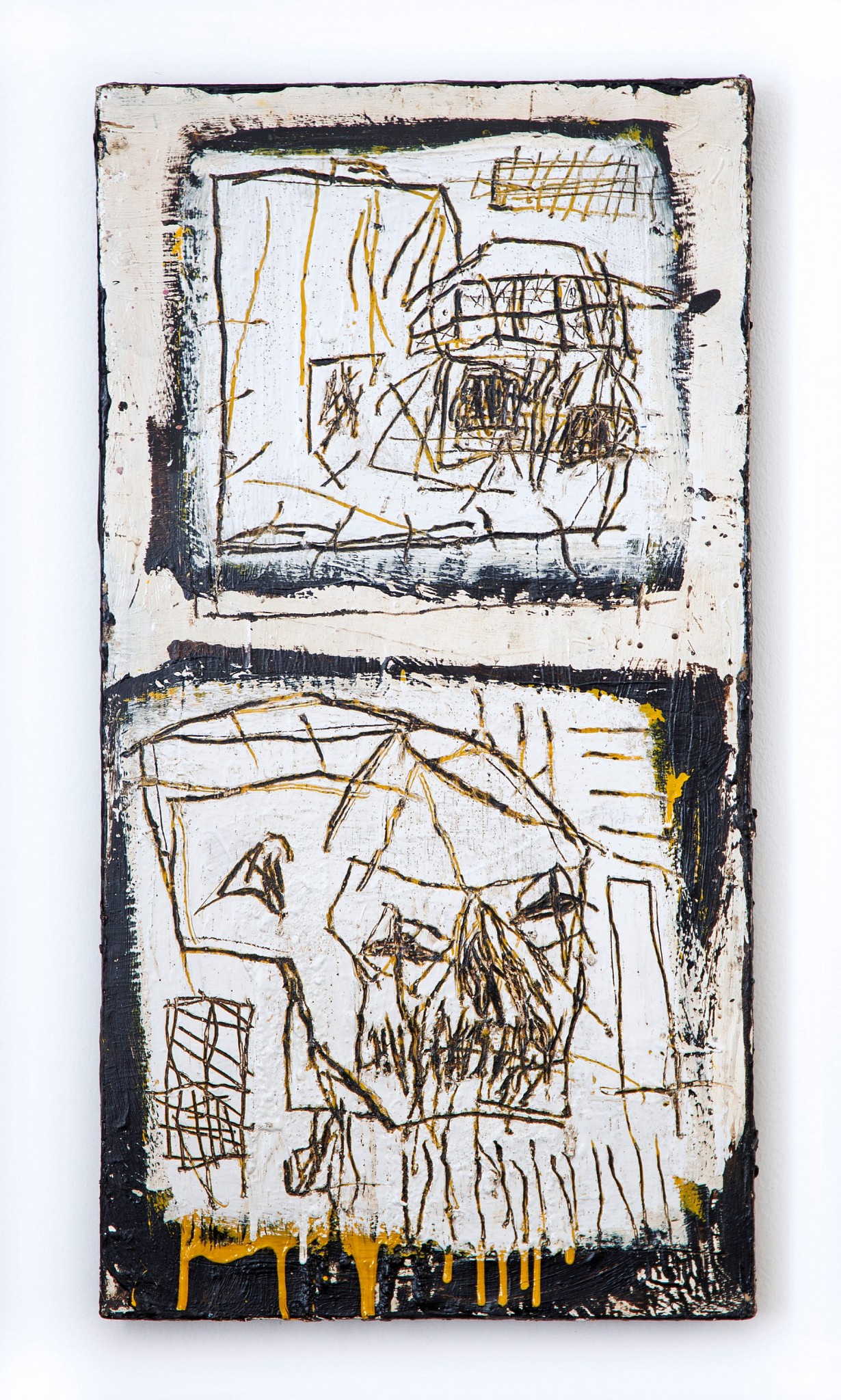
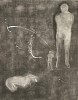
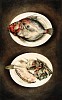
BOYTCHIE, 2 Skulls in the Dirt
Mixed media, 80 x 42 cm

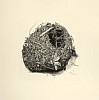
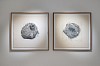
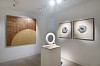
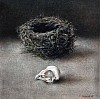
JANE EPPEL, Sanctum
copperplate etching (hardground), 68.5 x 68.5 cm
Jane Eppel is a South African printmaker. Graduating with a degree in printmaking from the University of Cape Town in 2001, Eppel’s career has subsequently followed a circuitous route, to include printmaking, oil painting as well as collaborating with her husband, artist, Nic Bladen.
Detailed and delicate, Eppel’s monochromatic etchings are deeply autobiographical, using motifs from the natural world to explore the push and pull of events in her own life. Fascinated by the interconnectedness of all things, of the micro and the macro, in Eppel’s work the strands of a spiderweb can allude to the imagined lines of a constellation or the bonds of a molecule. The quietness of her prints belies the physical rigour of their making: etching is a very laborious process, and a work can take weeks or months to complete.
Eppel has exhibited in London and New York and has had several solo exhibitions in Cape Town and Johannesburg, most notably at the Everard Read galleries and the Irma Stern Museum, South Africa.

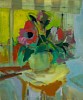
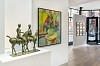
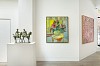

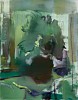
SWAIN HOOGERVORST, Flowers III
Oil on canvas, 120 x 100 cm
‘My paintings draw their inspiration from a photographic starting point. My intention though is not to recreate a photograph, but rather to allude to what is referenced. My work deals a lot with memory and the recollection of time and events or encounters passed. I try to paint in a way that evokes the unreliability of memory but also the dream-like feeling we give it, especially if that memory is positive. Hence I paint in a way that is vague or potentially non-descriptive but which leaves visual cues as to what may or may not be there.’
- Swain Hoogervorst, 2024
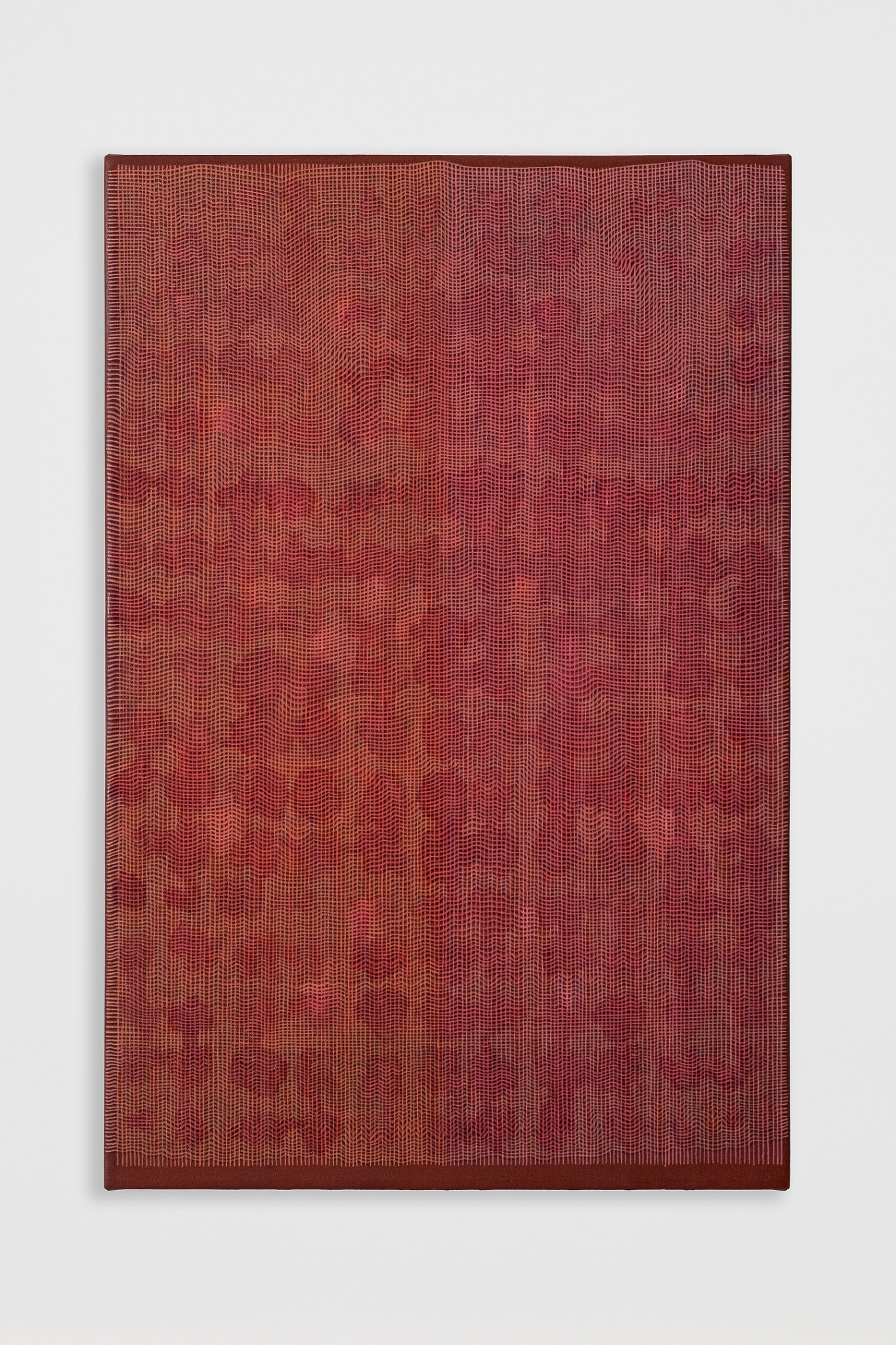



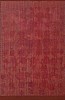
MAJA MARX, Litmus
oil on Belgian Linen, 75 x 50 cm
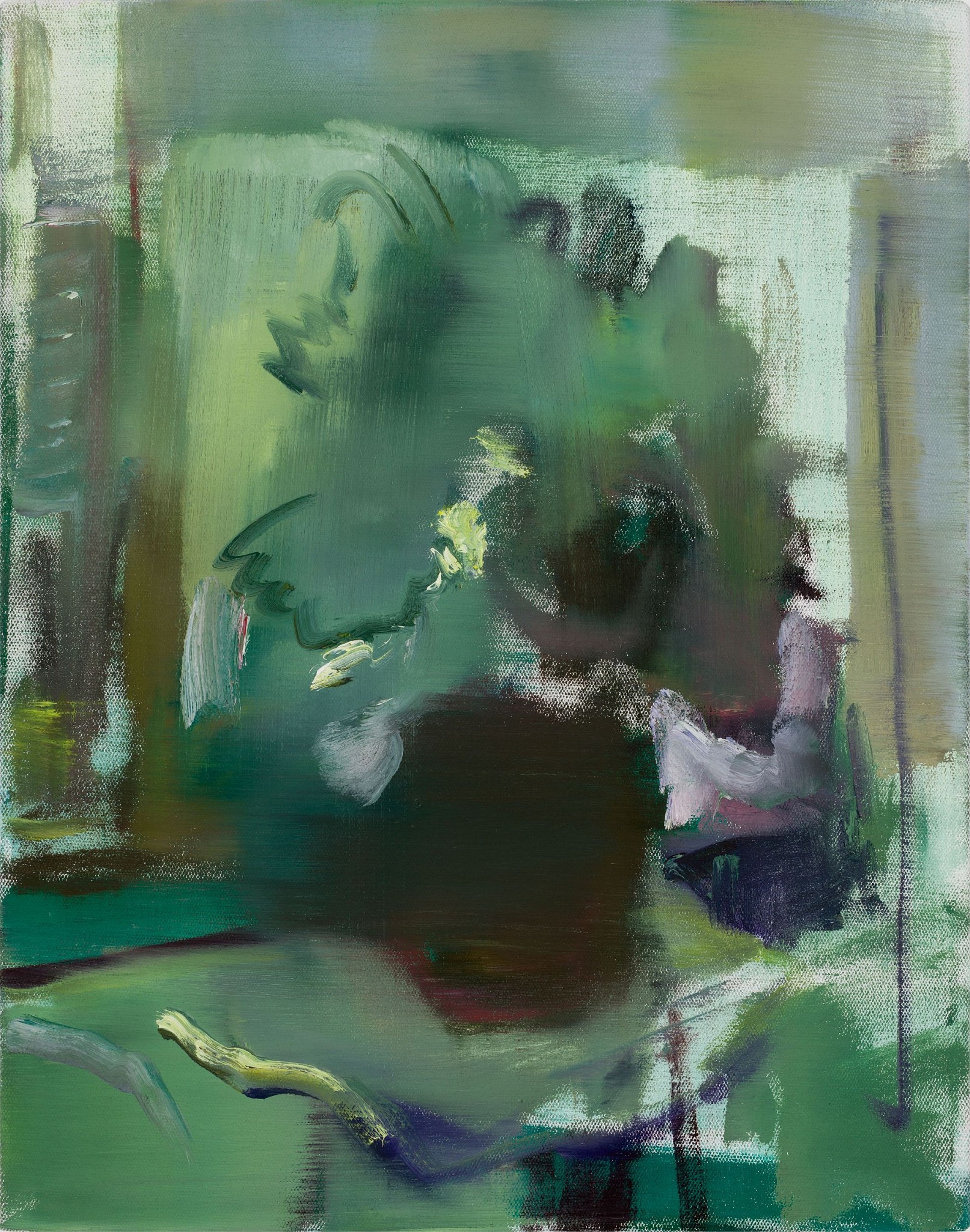
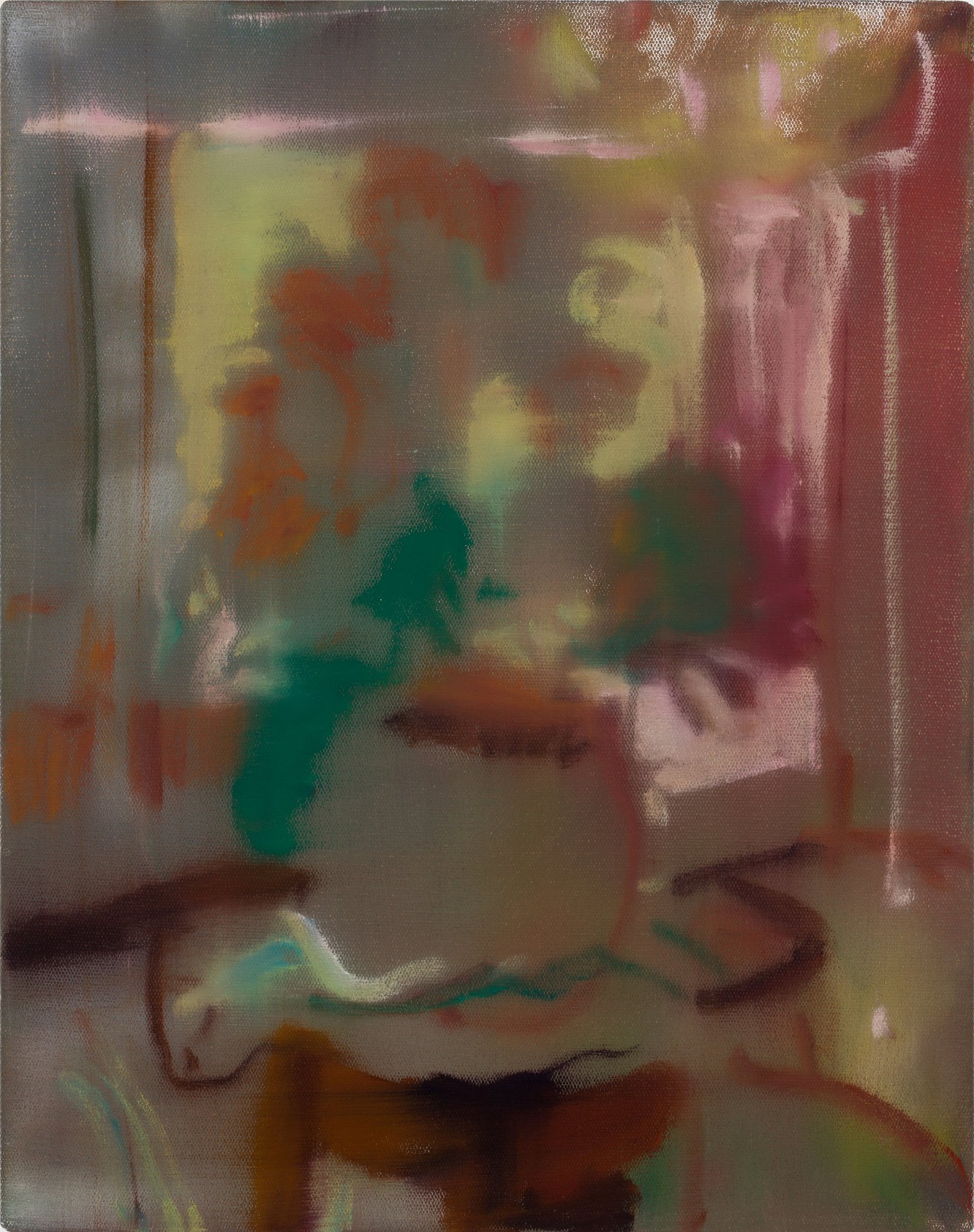
Maja Marx's paintings are essentially hyperactivations of surface. Marx starts by mapping ‘found’ compositions onto her canvas, and then allows this process of transcription to self-proliferate. Once the optical field of each canvas has become alive, the artist uses the act of painting to literally ‘stare herself’ out onto the canvas. Each layer of paint, each engagement responds to the layers beneath to become rich self-referential fields in which the physical act of looking is foregrounded; surfaces that are read, looked at and stared into all at once.
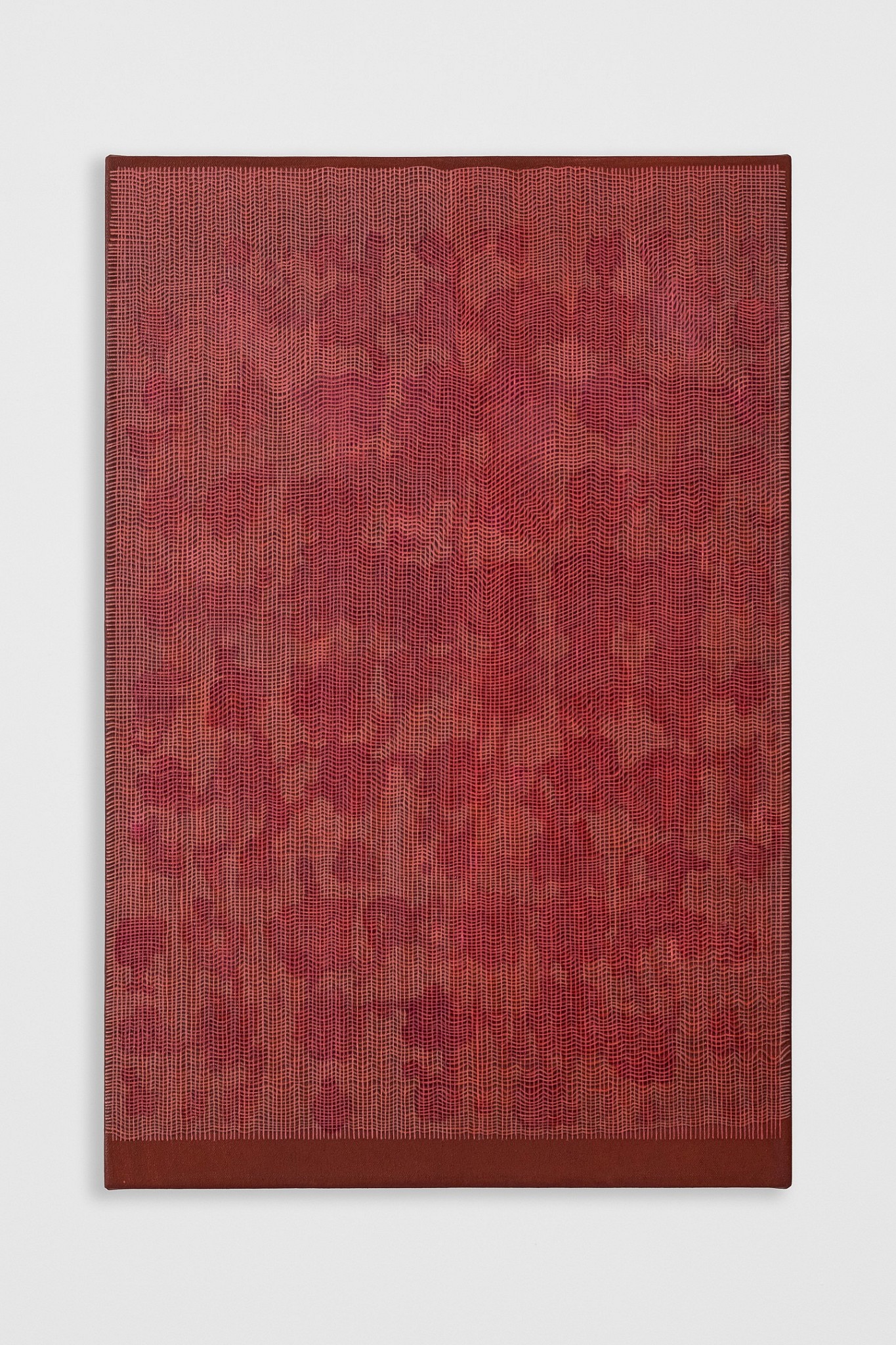

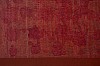

MAJA MARX, Slow Fade to Blue
oil on Belgian Linen, 75 x 50 cm
Maja Marx's paintings are essentially hyperactivations of surface. Marx starts by mapping ‘found’ compositions onto her canvas, and then allows this process of transcription to self-proliferate. Once the optical field of each canvas has become alive, the artist uses the act of painting to literally ‘stare herself’ out onto the canvas. Each layer of paint, each engagement responds to the layers beneath to become rich self-referential fields in which the physical act of looking is foregrounded; surfaces that are read, looked at and stared into all at once.
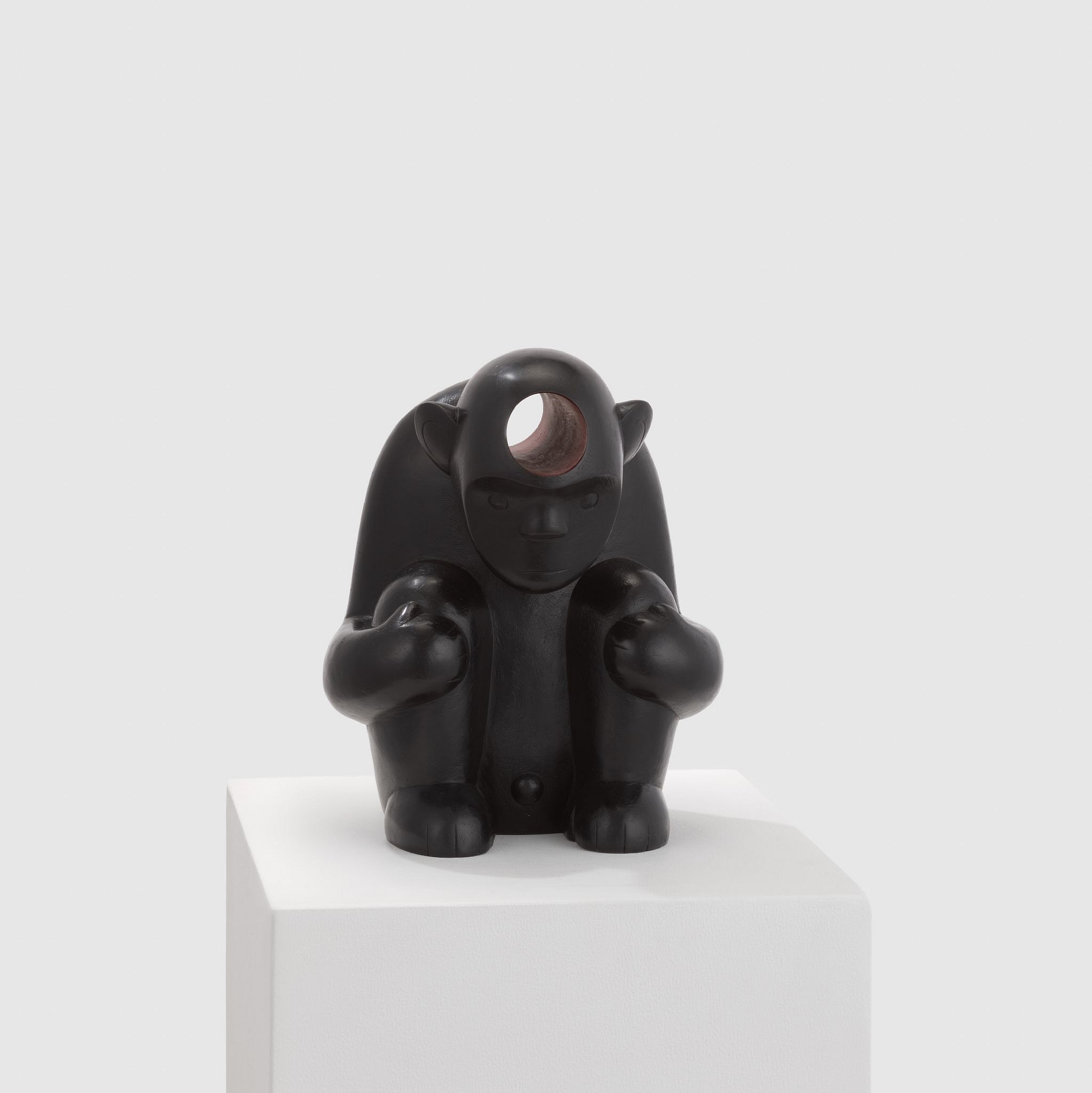

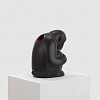



BRETT MURRAY, The Great Unknown
Bronze, 35 x 25 x 27 cm (13 3/4 x 9 3/4 x 10 5/8 in.)
While some works evoke pathos, others stoke unease and allude to an inherent violence. The hopeful is countered with gaping holes that speak of the loss and damage that are an integral part of all human experience.





Specialists in contemporary art from South Africa. Established in 1913. South African artists are part of the global conversation. We seek to make their voices heard.