
DIRECTOR'S SELECTION | Cerulean Blue

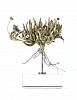
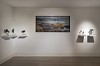

NIC BLADEN, Cephalophyllum pulchrum
Bronze on crystal base, 21.5 x 21 x 26 cm
South African artist Nic Bladen is one of the world's finest botanical sculptors working today. Bladen strives to record the subtle and diverse biodiversity of his native Western Cape by creating unique bronze sculptures using the actual plant matter. Drawing on the ancient traditions of the lost wax method, Bladen has pioneered a new technique which has allowed him to render the finest organic details of his subjects.
Colloquially known as Persvygie, Cephalophyllum pulchrum is a dwarf succulent from South Africa, with small carpets of erect, finger-like, grey-green, cylindrical leaves. The plant produces pretty, beautiful purple-pink flowers.

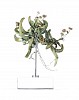


NIC BLADEN, Cephalophyllum spissum
Bronze on crystal base, 25.6 x 18 x 19.2 cm
South African artist Nic Bladen is one of the world's finest botanical sculptors working today. Bladen strives to record the subtle and diverse biodiversity of his native Western Cape by creating unique bronze sculptures using the actual plant matter. Drawing on the ancient traditions of the lost wax method, Bladen has pioneered a new technique which has allowed him to render the finest organic details of his subjects.
Colloquially known as Skaapvygie, Cephalophyllum spissum is a small succulent endemic to the Western Cape.t blooms twice a year with showy flowers nearly 4 cm across, displaying unusual salmon-rose coloured silky-rayed petals and a showy white centre with colourful anthers.

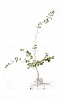

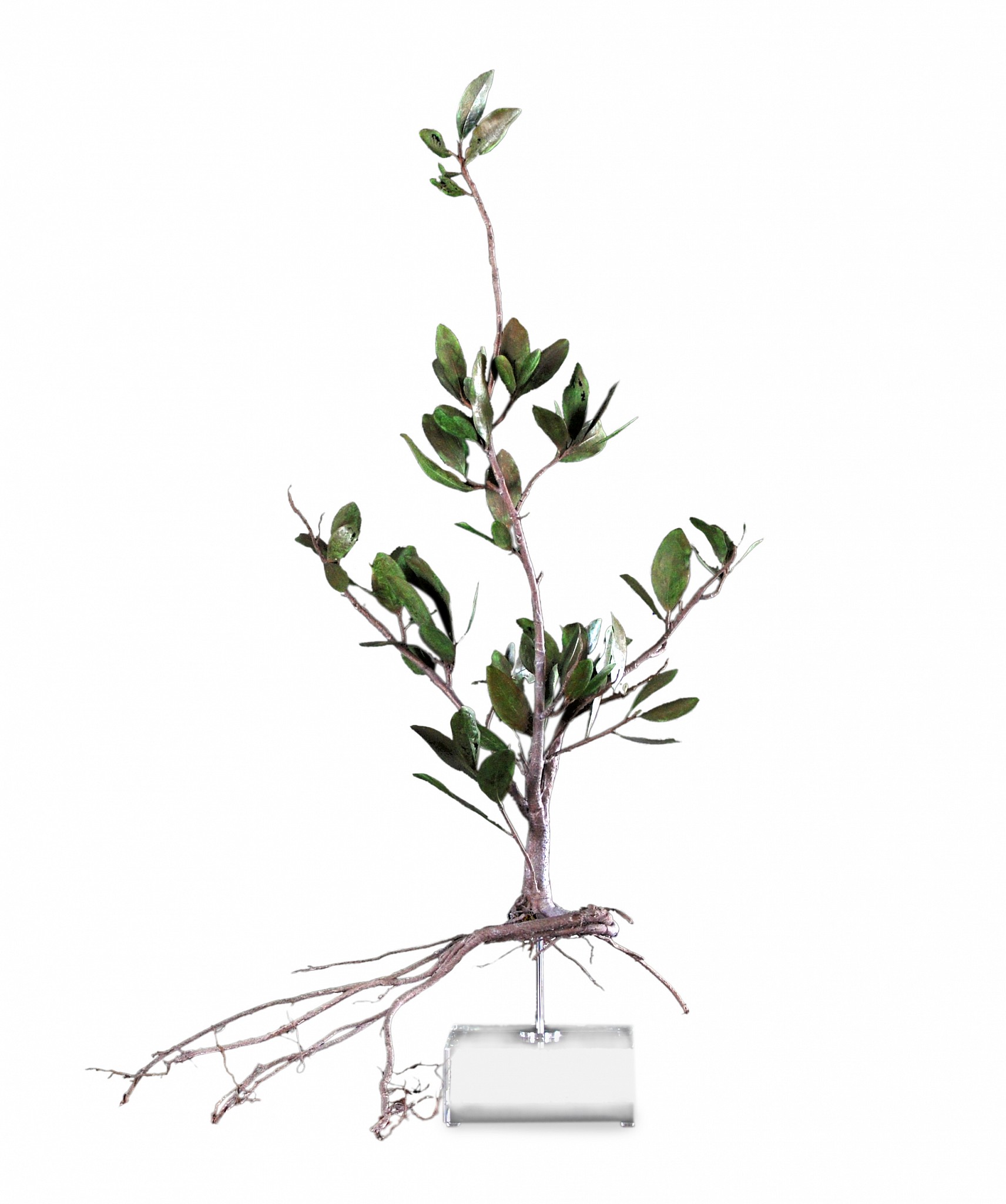
NIC BLADEN, Dovyalis Caffra (""Kei Apple""
Bronze on crystal base, 125 x 85 x 73 cm
Nic Bladen is regarded as one of the world’s finest botanical sculptors working today. Through
the alchemical process that transpires in his studio’s furnaces, he can produce delicate artistic
reconstructions of astoundingly beautiful flowering plants.
The precision and care that goes into casting and reconstructing lifelike replicas is immense, and Bladen has become a master of his craft. Central to Bladen’s mission is a desire to preserve the singular beauty of plants, and through his sculptures (all unique casts) the artist shines a light on the subtle and diverse beauty of the plants of his native Western Cape. We are more sensitized to their extraordinary beauty given the indications that their home is within a region that is profoundly affected by climate change.

NIC BLADEN, Glottiphyllum nelii
Bronze on crystal base, 26.5 x 16.7 x 17 cm
South African artist Nic Bladen is one of the world's finest botanical sculptors working today. Bladen strives to record the subtle and diverse biodiversity of his native Western Cape by creating unique bronze sculptures using the actual plant matter. Drawing on the ancient traditions of the lost wax method, Bladen has pioneered a new technique which has allowed him to render the finest organic details of his subjects.
Glottiphyllum nelii, colloquially known as Tongvygie, is a small, clump-forming perennial succulent with small branching stems. It forms a mat of fleshy leaves 5-10 cm tall and up to 30 cm in diameter. It is dormant in high summer heat, and dormant in the darkness of a cold winter and its flowers bloom in autumn.
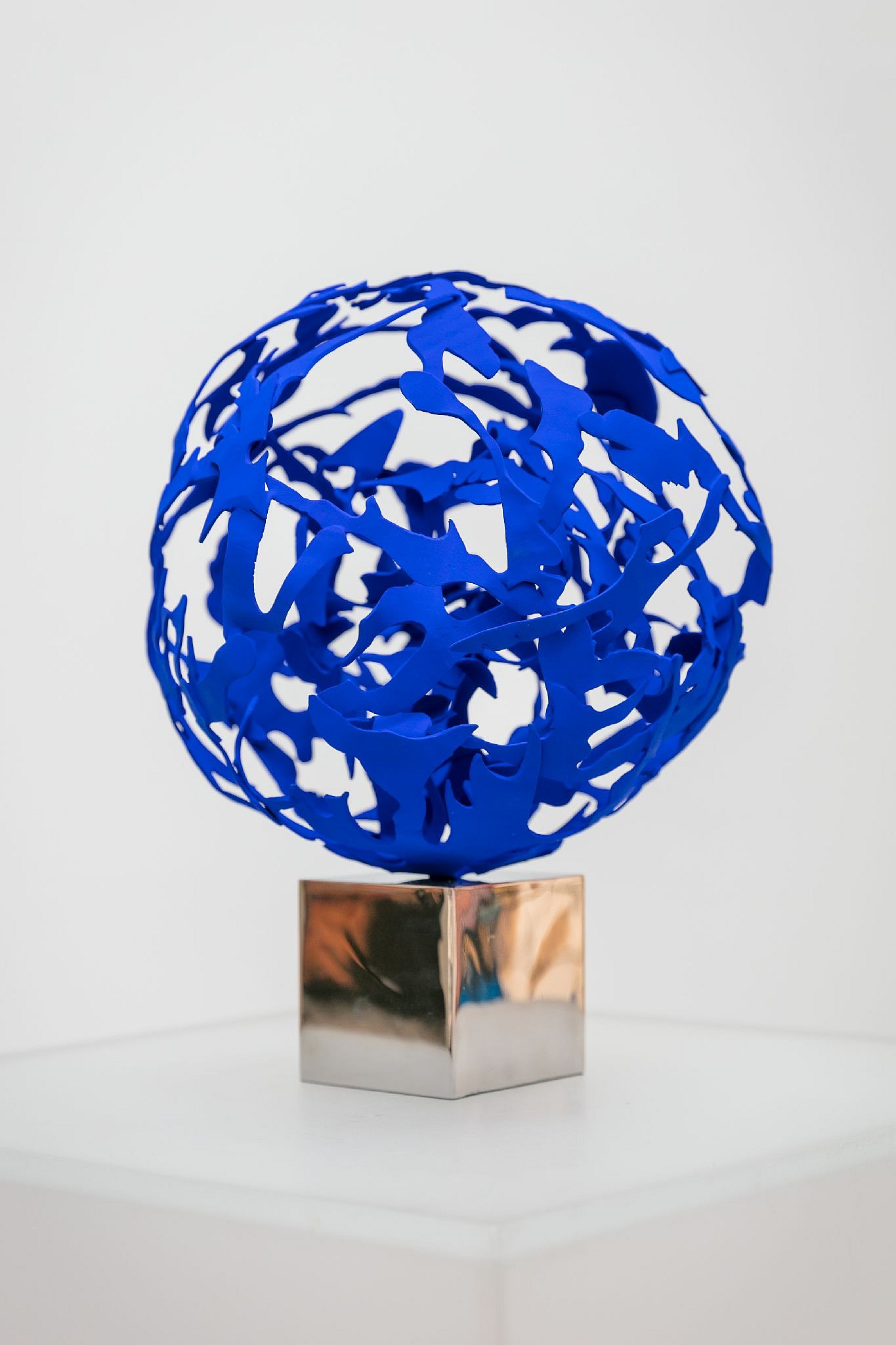
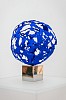
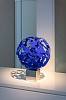
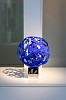
ARABELLA CACCIA, Blue Planet III (unique)
Bronze and ultra marine blue, 32 x 27 x 27 cm
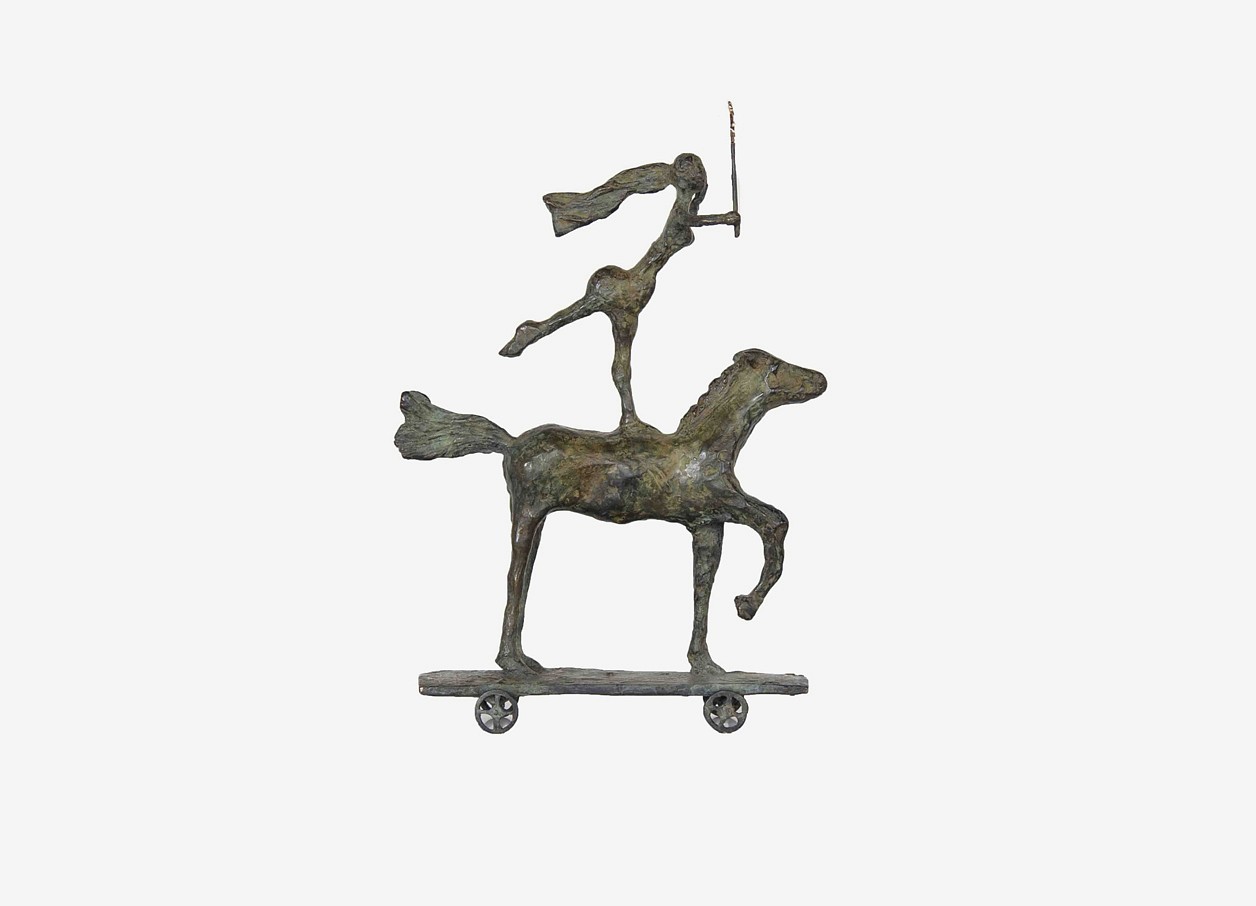
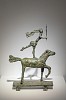

CHONAT GETZ, Lady Godiva
Bronze, 37.2 x 26.5 x 11 cm
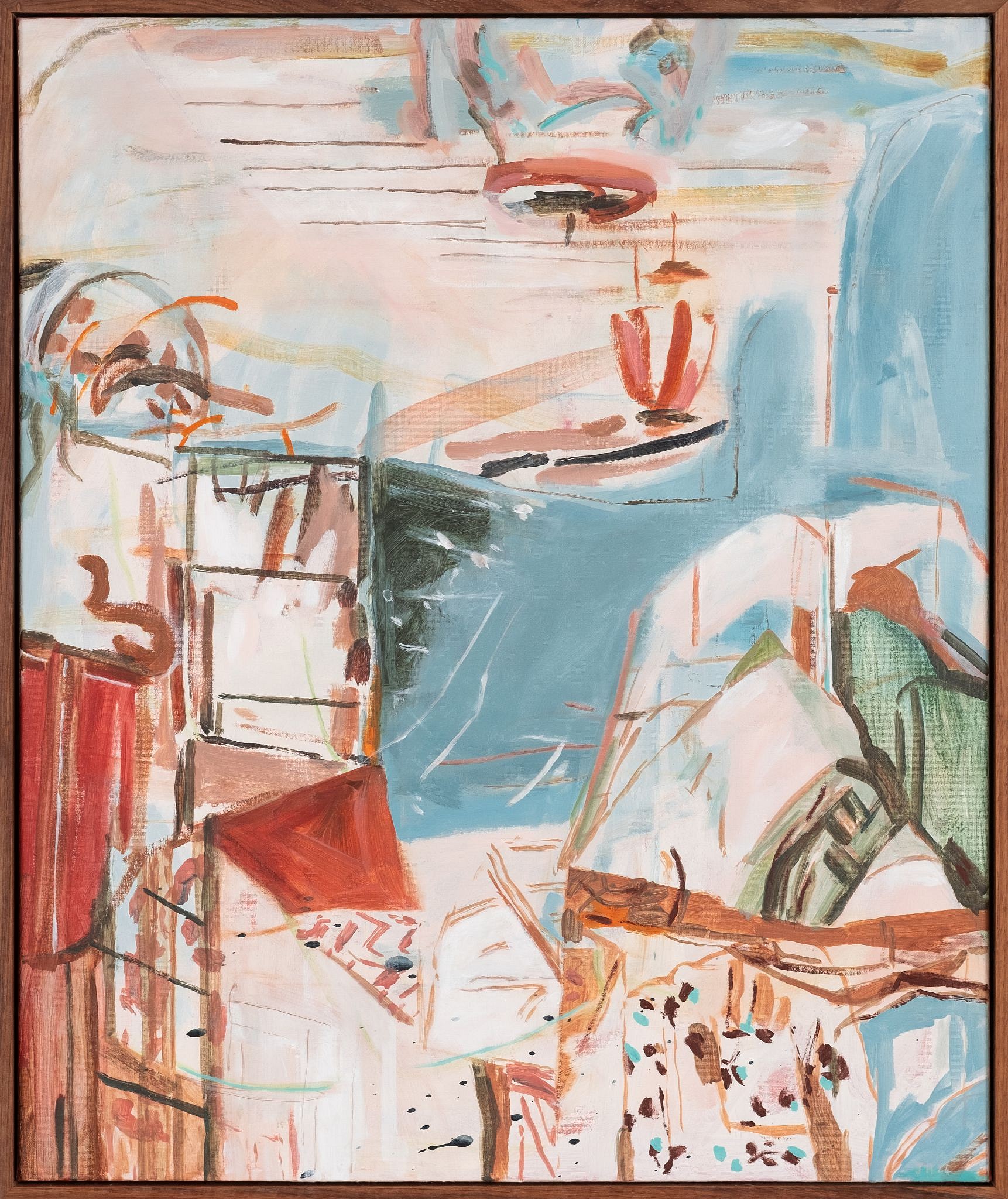
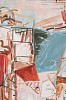
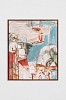


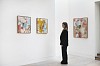
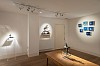
JEANNE HOFFMAN, Standing Against the Sky
Acrylic on canvas, 60 x 50 cm
Working across diverse mediums and far flung geographies, artist Jeanne Hoffman revels in the spaces between things.
The back and forth continues in the act of exhibiting – of reframing – how and where space opens: between individual pieces; between walls; between artist and viewer; between private and public. Individual and communal spaces become charged with relational meaning as yet unarticulated.

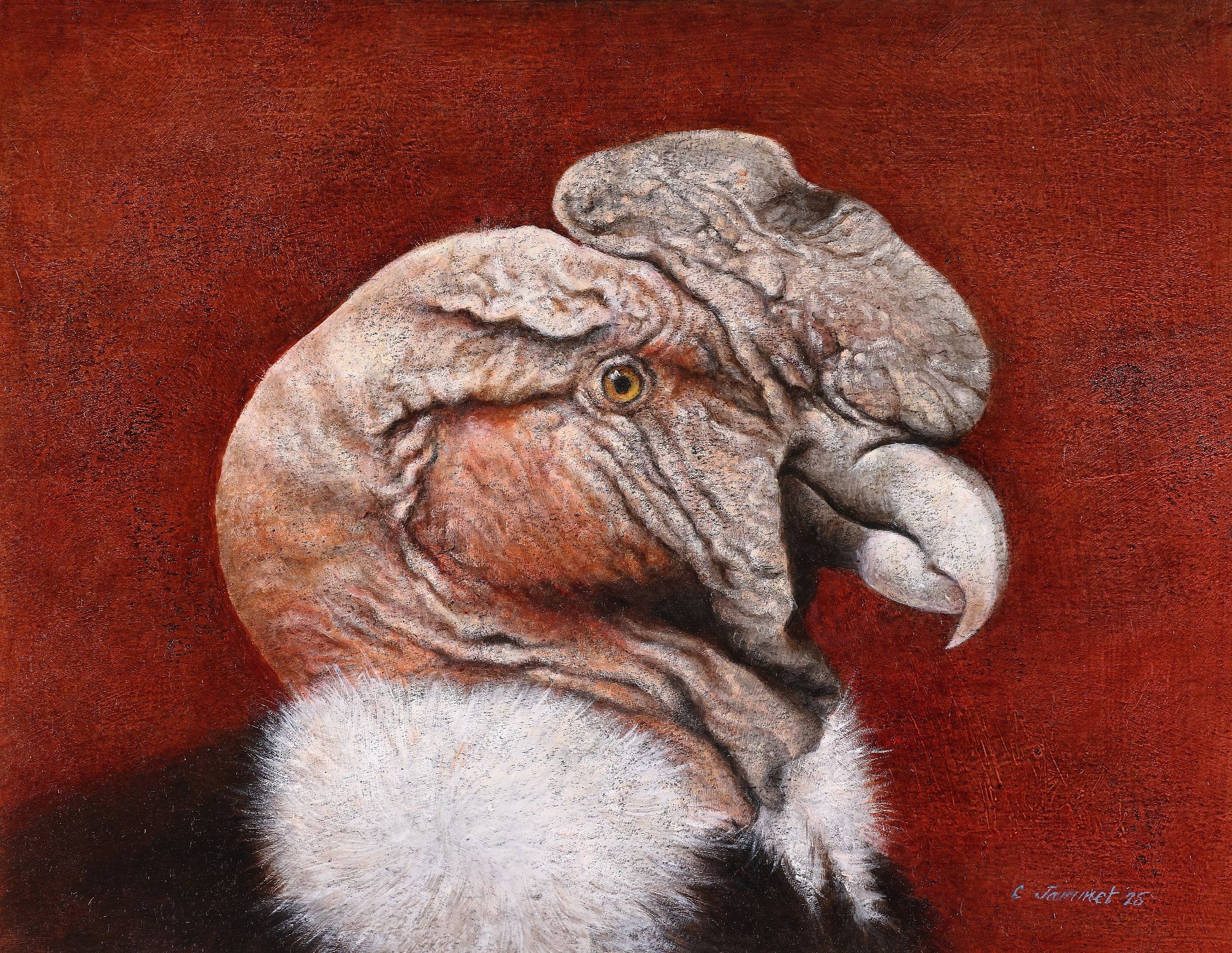
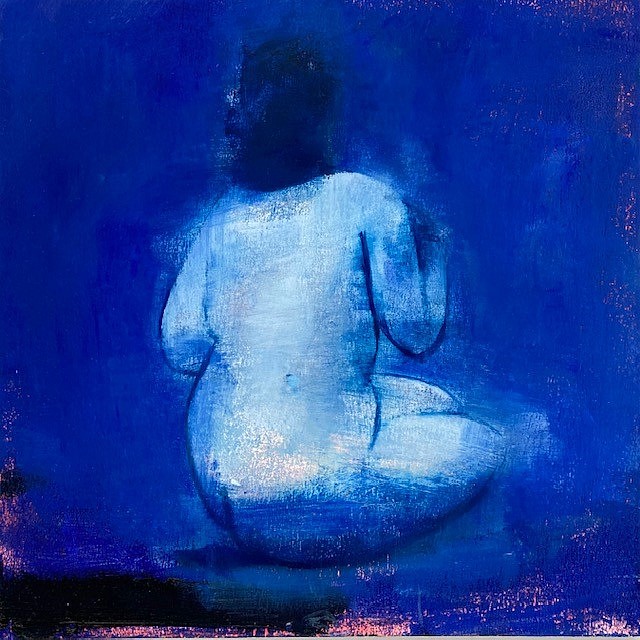

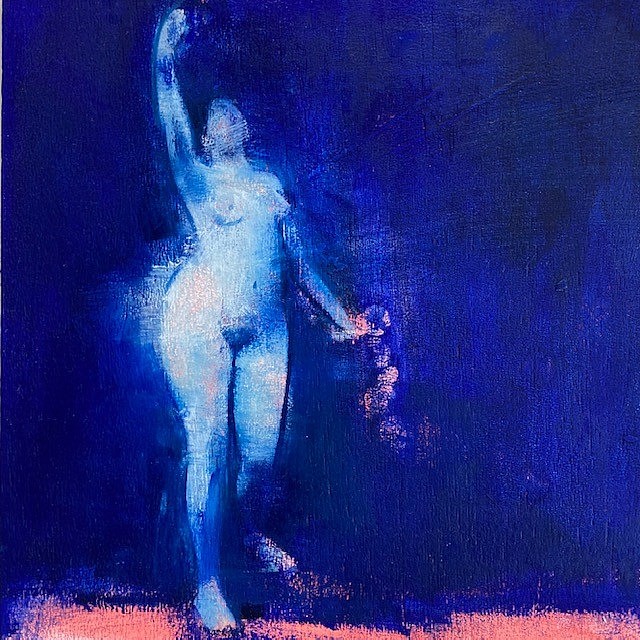
LOUISE MASON, Luna
Oil on board, 20 x 20 cm
The subject matter of Mason’s work, although wide and varied, is typically centred around the aesthetic use of colour, form and texture. This collection of diminutive nudes are rendered in a dreamy midnight blues pay homage to the sinuous nature of the female form. ‘I seem to paint smaller works when I am surrounded by uncertainty. Both in the world and also my creative journey. I have really enjoyed painting these smaller female figures, I like the energy I can capture by working the whole surface of the painting at the same time. I suppose they represent the elusive muse. An artist’s inspiration. That feeling that exists just out of reach. Sometimes only when we are dreaming.’
– Louise Mason

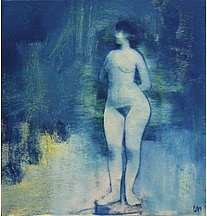
LOUISE MASON, Naiad
Oil on board, 20 x 20 cm
The subject matter of Mason’s work, although wide and varied, is typically centred around the aesthetic use of colour, form and texture. This collection of diminutive nudes are rendered in a dreamy midnight blues pay homage to the sinuous nature of the female form. ‘I seem to paint smaller works when I am surrounded by uncertainty. Both in the world and also my creative journey. I have really enjoyed painting these smaller female figures, I like the energy I can capture by working the whole surface of the painting at the same time. I suppose they represent the elusive muse. An artist’s inspiration. That feeling that exists just out of reach. Sometimes only when we are dreaming.’
– Louise Mason
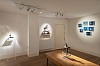

LOUISE MASON, Venus
Oil on board, 20 x 20 cm
The subject matter of Mason’s work, although wide and varied, is typically centred around the aesthetic use of colour, form and texture. This collection of diminutive nudes are rendered in a dreamy midnight blues pay homage to the sinuous nature of the female form. ‘I seem to paint smaller works when I am surrounded by uncertainty. Both in the world and also my creative journey. I have really enjoyed painting these smaller female figures, I like the energy I can capture by working the whole surface of the painting at the same time. I suppose they represent the elusive muse. An artist’s inspiration. That feeling that exists just out of reach. Sometimes only when we are dreaming.’
– Louise Mason

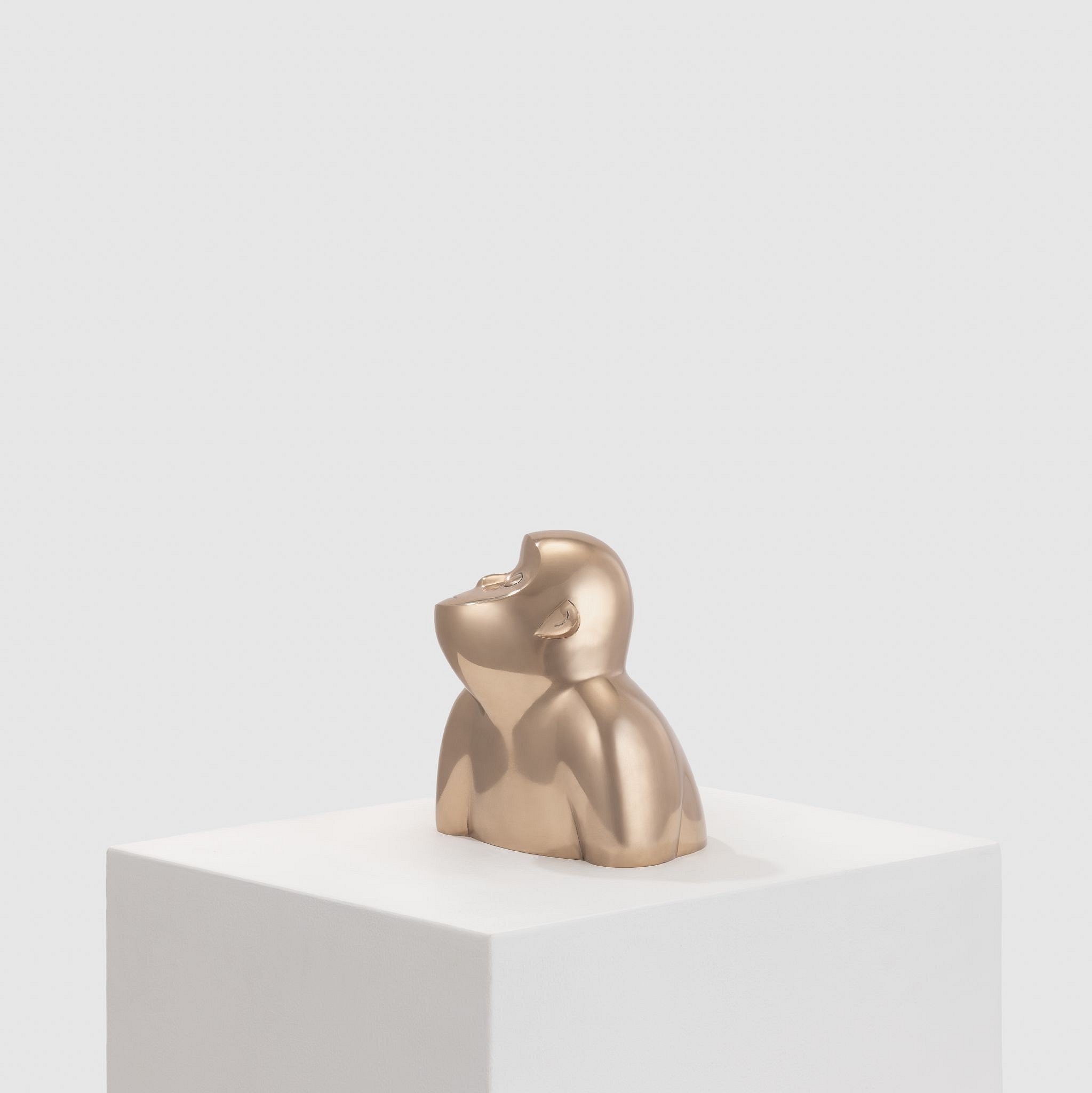

BRETT MURRAY, Effigy
Bronze, 23 x 21.5 x 22 cm (9 x 8 3/8 x 8 5/8 in.)
This body of work traces its origins to the start of this decade and the artist’s experience of the global pandemic. It marks what writer, Noah Swinney, describes as “an idiomatic shift in Murray’s work from polemics to elegy; a transition from what the artist has called, an accusatory position to one that is more compassionate and empathetic.”
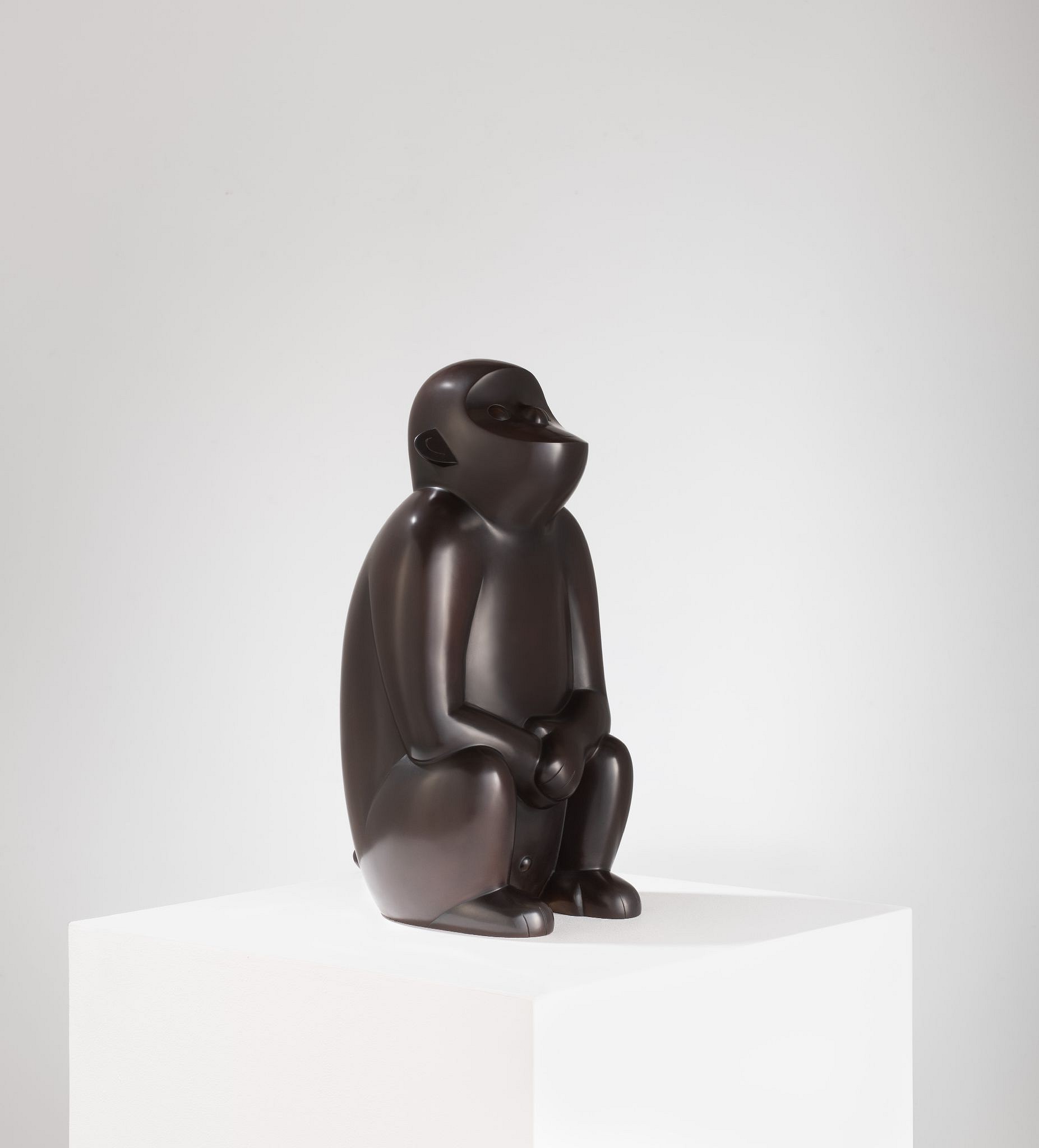


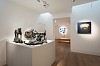
BRETT MURRAY, Loom
Bronze, 55 x 25 x 32 cm (21 5/8 x 9 3/4 x 12 1/2 in.)
For some of Murray’s silent animal avatars, crafted in bronze or marble, the world seems to weigh heavily as they gaze heavenwards with trepidation and in a search for answers. Others are brooding and subdued. Huddled together or clinging to one another, many of the sculptures convey a poignant tenderness and vulnerability. These symbols of the family unit - together, touching, protected, and protecting - strike a universal chord.
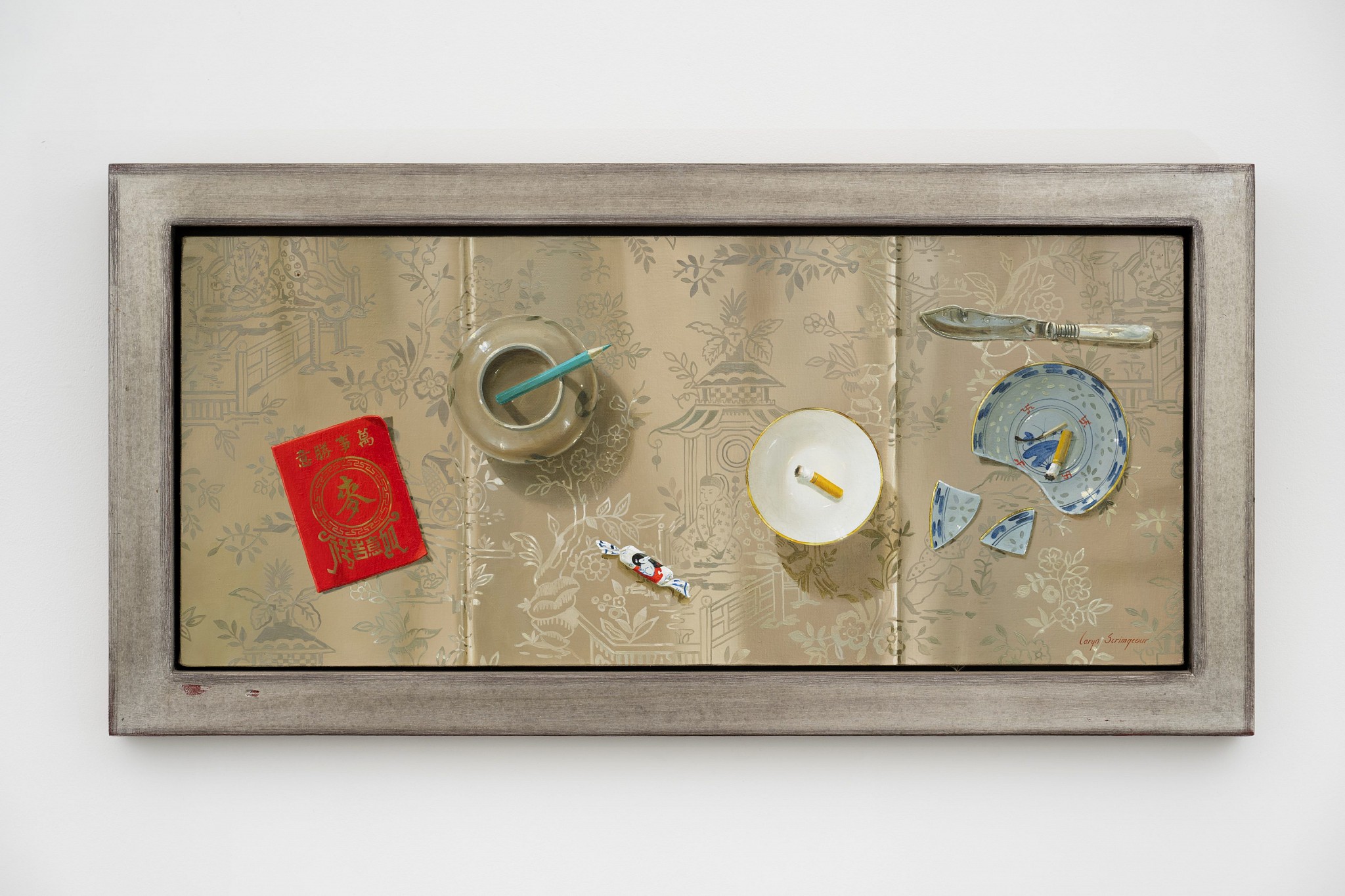
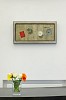
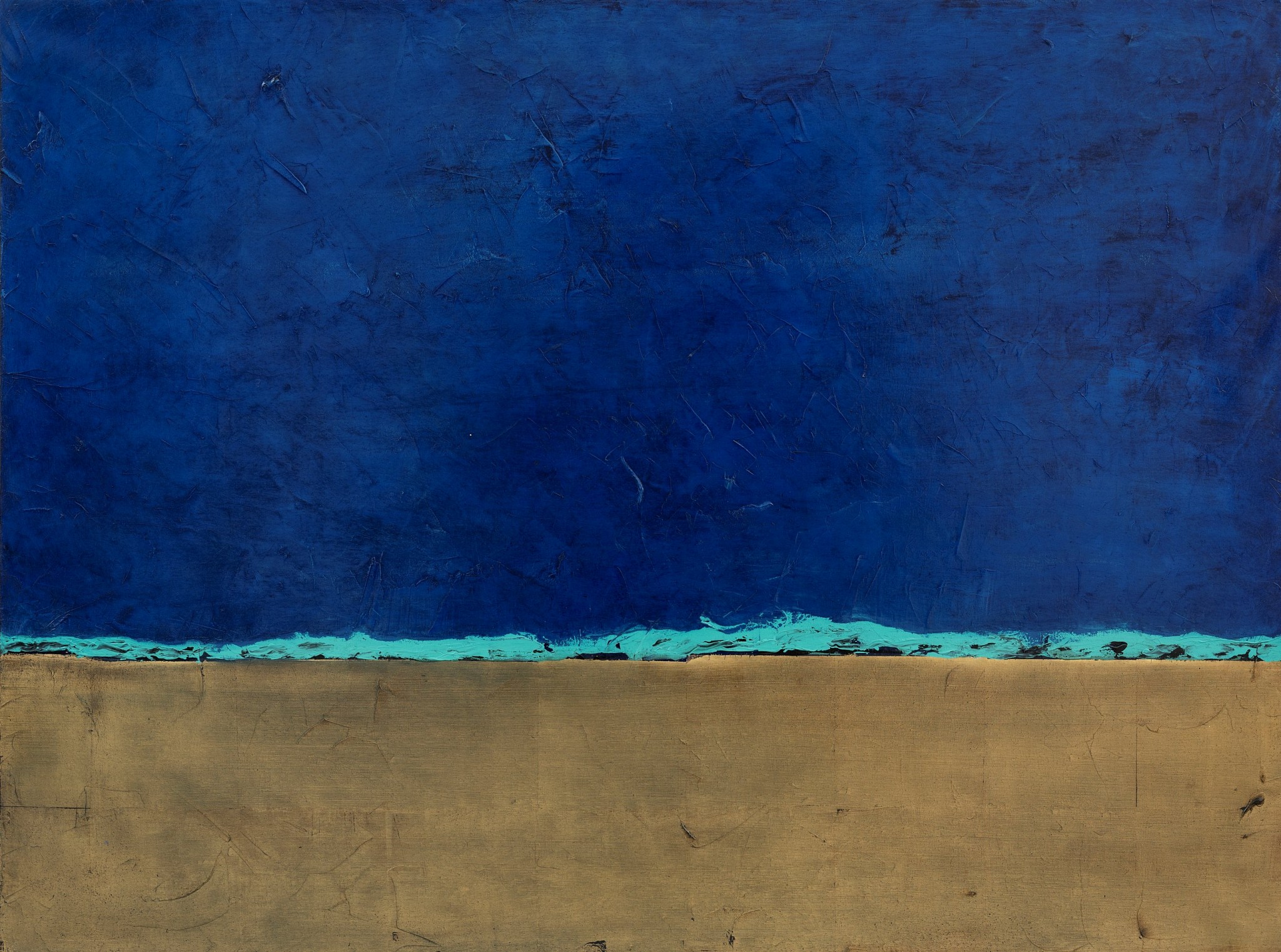
CARYN SCRIMGEOUR, Resolution
Oil on canvas, 30 x 70 cm
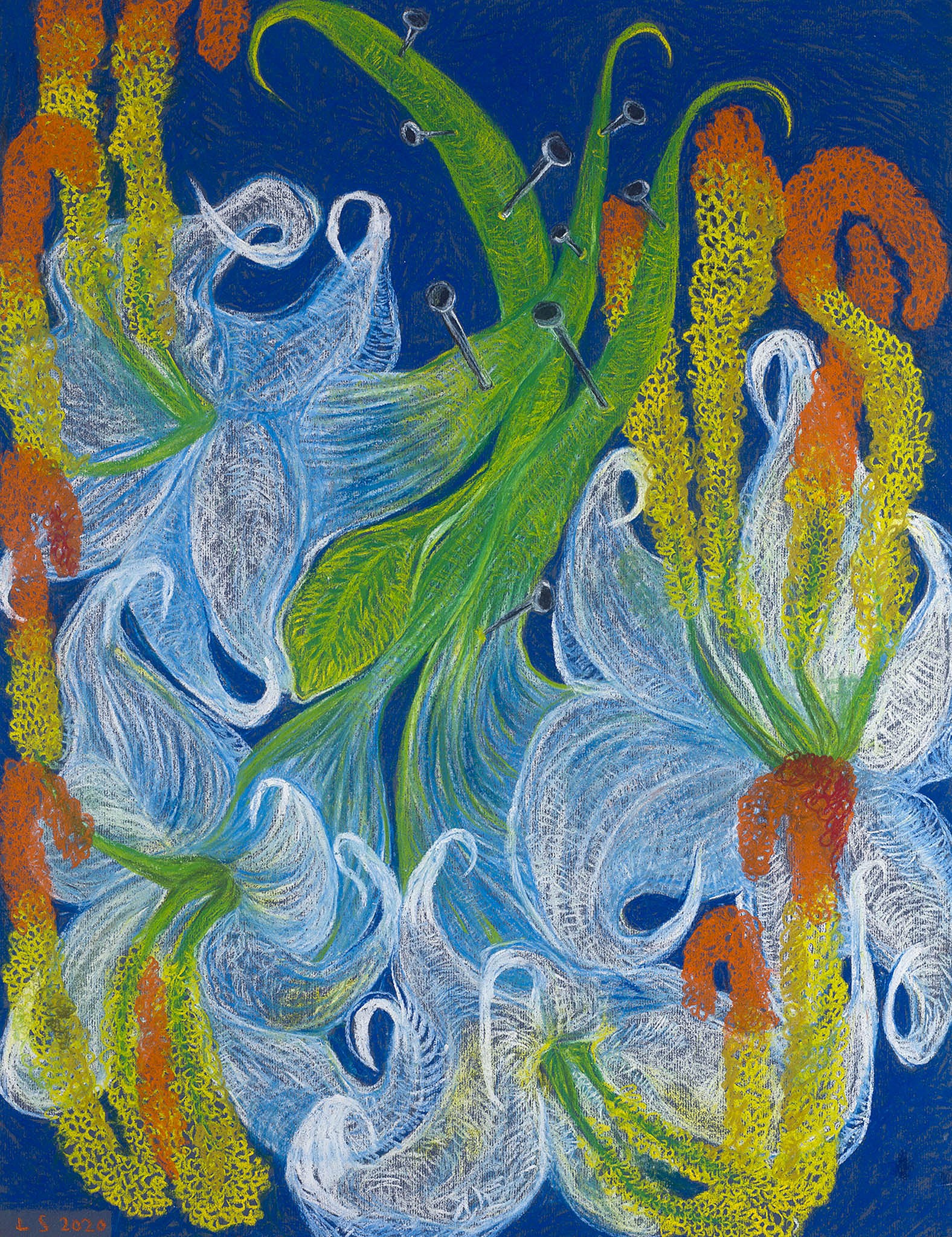
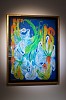

LADY SKOLLIE, Pinned Beauty
Pastel on Paper, 60 x 50 cm
Created with watercolours, crayon, pastel and ink Lady Skollie’s works are fluid, whimsical, and teeming with floating figures and the fleeting beauty of florals in full bloom. Her imagery is playfully transgressive, defying stereotypes and taboos, while confronting issues of history, race, sex, pleasure, consent, violence, and abuse. In this exhibition a pair of works on paper call to mind rock art and cave paintings. Entitled Wipe Us Out they are tangled webs of entwined bodies with a chilling allusion to erasure and disappearance.
Lady Skollie’s works “resonate on a sensory level, while simultaneously referencing her personal history and confronting us with her depictions of subcultures of sexuality, dispossession and otherness. They immerse us in their own viscera and exuberance all the while venturing into the trepidatious terrain of history and identity politics.”*
* Hazel Friedman, June 2020
Contact: info@everardlondon.com
Image credit: Dan Weill Photography / Artist portrait: Courtesy the artist


SHANY VAN DEN BERG, My vase het begin groei I (My vase has begun to grow I)
Bronze, 48 x 44 x 44 cm
To capture a plant on canvas or in bronze is to stop time – to give it eternity. For Shany van den Berg, depicting plants is a matter of self-reflection. She is sharing the love, purity, passion, beauty, innocence, death and new life of the garden within.


SHANY VAN DEN BERG, My vase het begin groei II (My vase has begun to grow II)
Bronze, 63 x 55 x 55 cm
To capture a plant on canvas or in bronze is to stop time – to give it eternity. For Shany van den Berg, depicting plants is a matter of self-reflection. She is sharing the love, purity, passion, beauty, innocence, death and new life of the garden within.







Specialists in contemporary art from South Africa. Established in 1913. South African artists are part of the global conversation. We seek to make their voices heard.