
NIC BLADEN
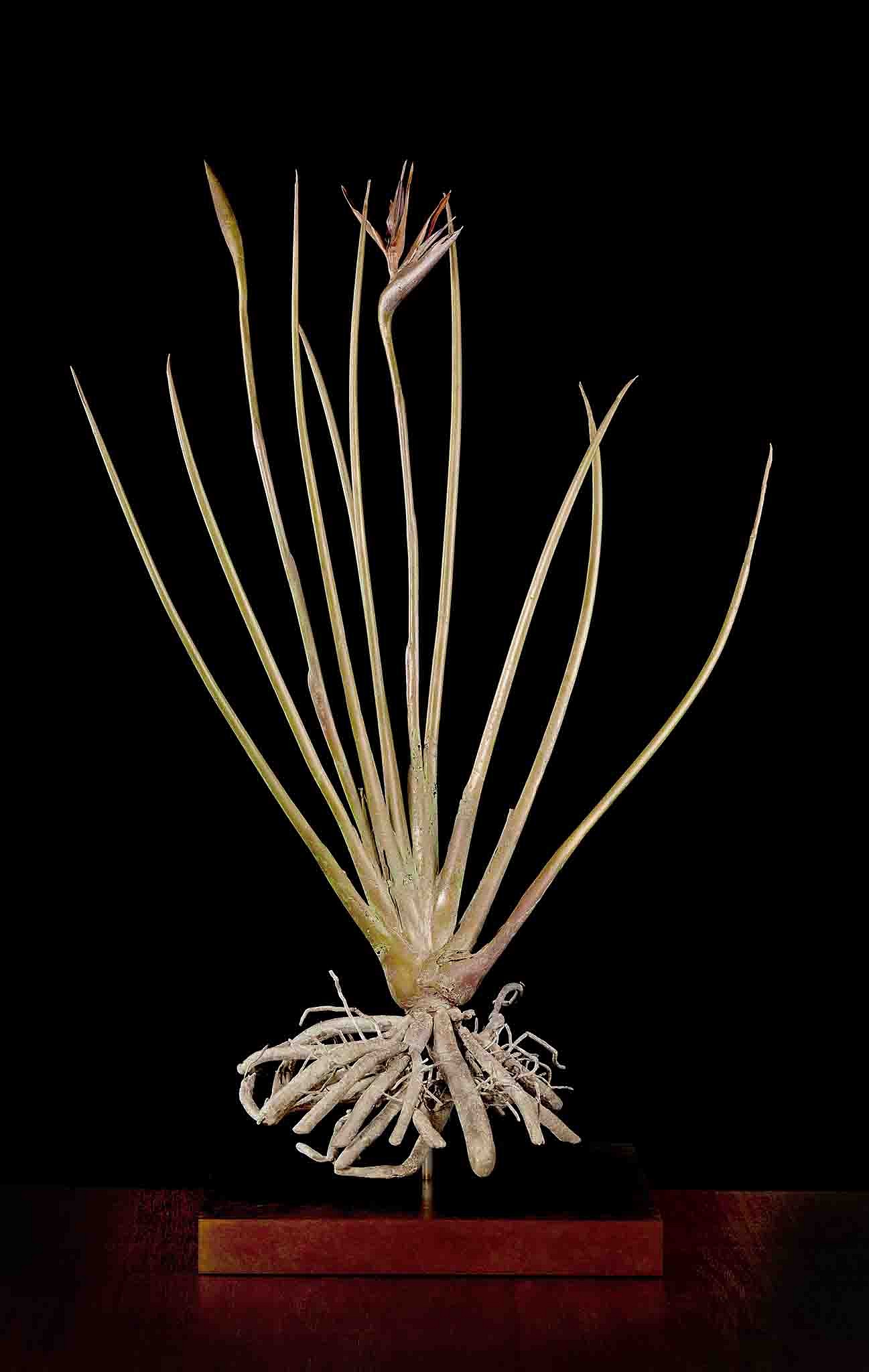
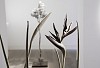
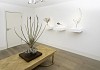
NIC BLADEN, Strelitzia juncea
Bronze, 110 x 85 x 45 cm


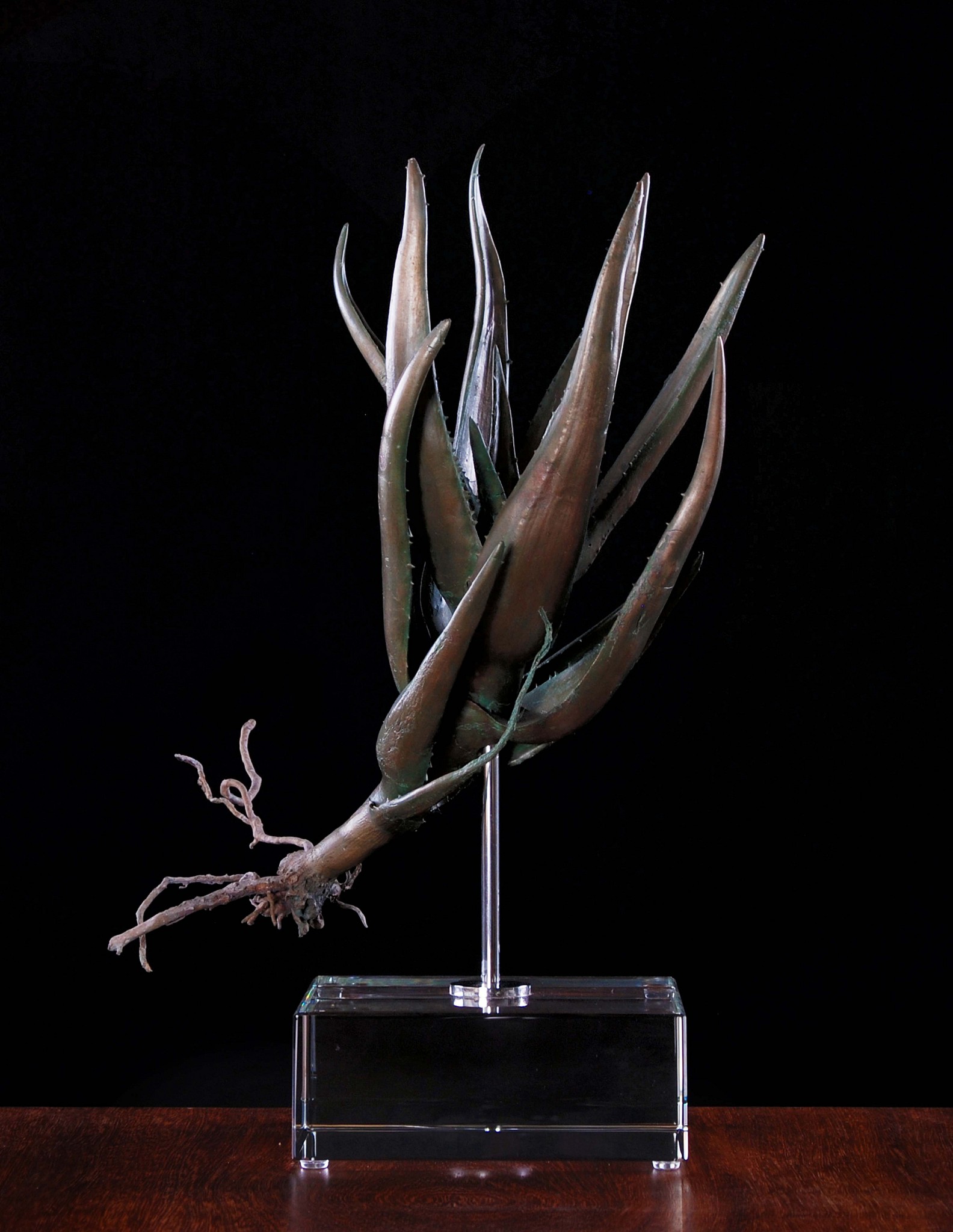


NIC BLADEN, Aloe speciosa
Bronze, 43 x 19 x 30 cm
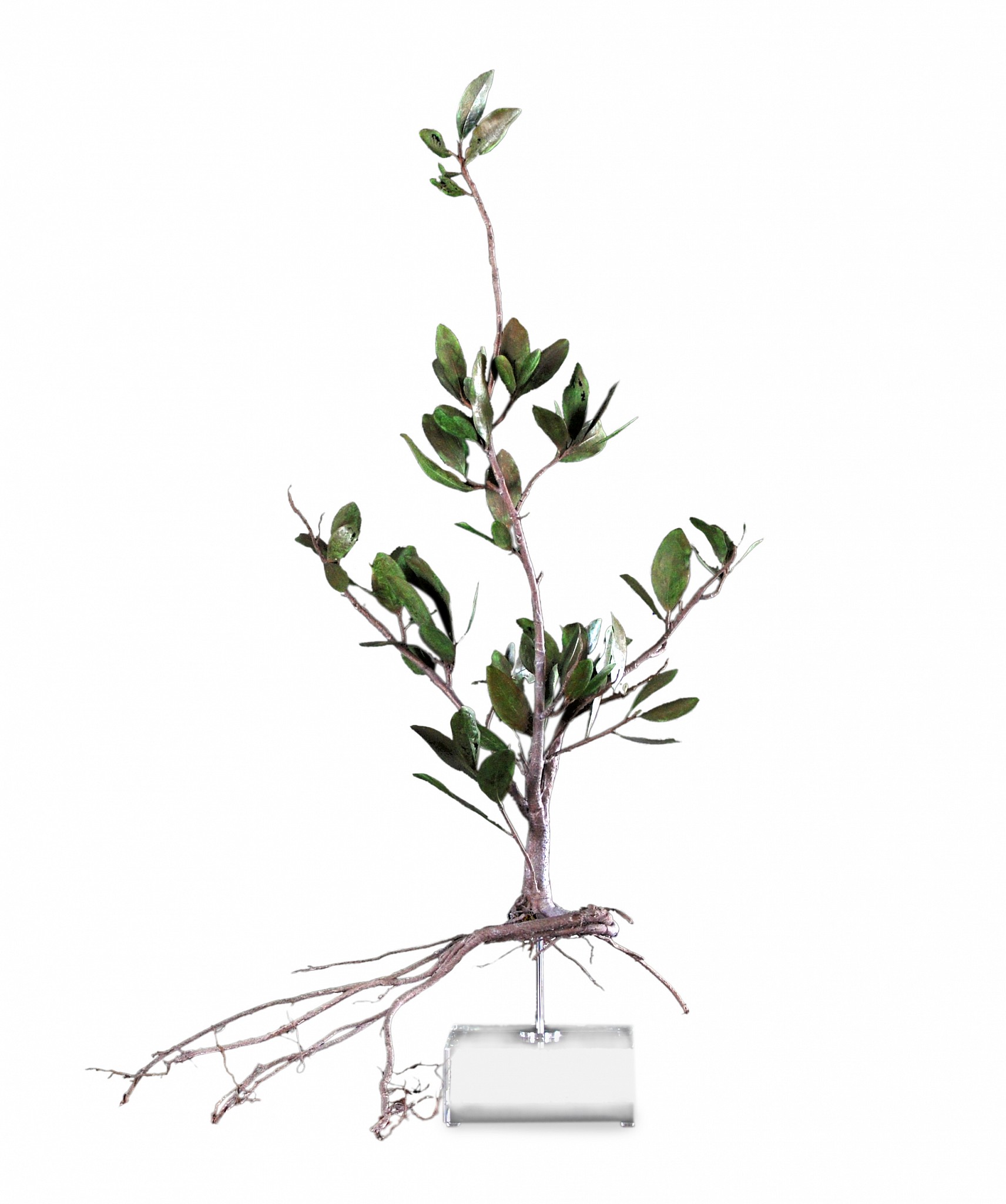

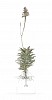
NIC BLADEN, Aloe congolensis
Bronze on crystal base, 76 x 20 x 20.5 cm
South African artist Nic Bladen is one of the world's finest botanical sculptors working today. Bladen strives to record the subtle and diverse biodiversity of his native Western Cape by creating unique bronze sculptures using the actual plant matter. Drawing on the ancient traditions of the lost wax method, Bladen has pioneered a new technique which has allowed him to render the finest organic details of his subjects.
This sculpture depicts the Aloe congolensis, native to the Congo and commonly known as 'Tiger tooth aloe'. If nurtured in its infancy and allowed to develop an established root system, this plant will flower with pink or red-orange flowers in late autumn to mid winter, atop an unbranched influroescence of 30cm or more.



NIC BLADEN, Aloe cooperi
Bronze on crystal base, 118 x 44 x 98 cm
South African artist Nic Bladen is one of the world's finest botanical sculptors working today. Bladen strives to record the subtle and diverse biodiversity of his native Western Cape by creating unique bronze sculptures using the actual plant matter. Drawing on the ancient traditions of the lost wax method, Bladen has pioneered a new technique which has allowed him to render the finest organic details of his subjects.
This scultpure depicts the Aloe cooperi, a southern African grassland aloe which occurs mainly in Natal, Swaziland and Mpumalanga. The flowers of this plant vary in colour from greenish-cream to apricot and salmon pink; these flowers and the young shoots of the plant are often cooked and eaten as vegetables by the Zulu people.


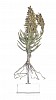
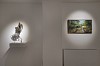
NIC BLADEN, Aloidendron dichotomum (i)
Bronze on crystal base, 61.5 x 24.5 x 26 cm
South African artist Nic Bladen is one of the world's finest botanical sculptors working today. Bladen strives to record the subtle and diverse biodiversity of his native Western Cape by creating unique bronze sculptures using the actual plant matter. Drawing on the ancient traditions of the lost wax method, Bladen has pioneered a new technique which has allowed him to render the finest organic details of his subjects.
This sculpture depicts the Aloidendron dichotomum, colloquially referred to as 'Quiver tree'. It is probably the best known aloe found in South Africa and Namibia. This tree aloe has smooth branches, which are covered with a thin layer of whitish powder that helps to reflect away the hot sun's rays. Indeed, large trunks of dead trees can be hollowed out and used as a 'natural fridge' to store water, meat and vegetables. An extremely tough tree, the Aloidendron dichotomum may reach an age of over 80 years and a height of over 7 metres. The bark on the trunk forms razor sharp scales, and the branches of these trees are commonly home to communal weaver nests.


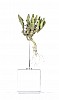

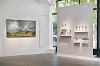
NIC BLADEN, Antimima ventricosa
Bronze on crystal base, 20 x 6 x 7 cm
South African artist Nic Bladen is one of the world's finest botanical sculptors working today. Bladen strives to record the subtle and diverse biodiversity of his native Western Cape by creating unique bronze sculptures using the actual plant matter. Drawing on the ancient traditions of the lost wax method, Bladen has pioneered a new technique which has allowed him to render the finest organic details of his subjects.
The Antimima ventricosa, colloquially known as Lutzvillevygie, is a stable species originating in the Western Cape, growing on slopes with quartzite stones. A small succulent shrub, this plant forms a compact cushion and bears large, daisy-like mauve flowers.


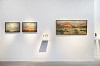
NIC BLADEN, Avonia ustulata
Bronze on crystal base, 18.5 x 5 x 5.3 cm
South African artist Nic Bladen is one of the world's finest botanical sculptors working today. Bladen strives to record the subtle and diverse biodiversity of his native Western Cape by creating unique bronze sculptures using the actual plant matter. Drawing on the ancient traditions of the lost wax method, Bladen has pioneered a new technique which has allowed him to render the finest organic details of his subjects.
Avonia ustulate, colloquially known as Moerbossie or Kieriemoer, grows on grey or yellowish shales of the Karoo, and is coloured to blend with the background.

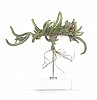

NIC BLADEN, Cephalophyllum alstonii
Bronze on crystal base, 26.5 x 26 x 28.5 cm
South African artist Nic Bladen is one of the world's finest botanical sculptors working today. Bladen strives to record the subtle and diverse biodiversity of his native Western Cape by creating unique bronze sculptures using the actual plant matter. Drawing on the ancient traditions of the lost wax method, Bladen has pioneered a new technique which has allowed him to render the finest organic details of his subjects.
Cephallophyllum alstonii is a creeping perennial succulent, whose spectacular, brightly coloured blood-red flowers attract insects when the flowers open.

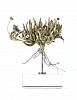

NIC BLADEN, Cephalophyllum pulchrum
Bronze on crystal base, 21.5 x 21 x 26 cm
South African artist Nic Bladen is one of the world's finest botanical sculptors working today. Bladen strives to record the subtle and diverse biodiversity of his native Western Cape by creating unique bronze sculptures using the actual plant matter. Drawing on the ancient traditions of the lost wax method, Bladen has pioneered a new technique which has allowed him to render the finest organic details of his subjects.
Colloquially known as Persvygie, Cephalophyllum pulchrum is a dwarf succulent from South Africa, with small carpets of erect, finger-like, grey-green, cylindrical leaves. The plant produces pretty, beautiful purple-pink flowers.

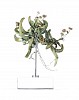


NIC BLADEN, Cephalophyllum spissum
Bronze on crystal base, 25.6 x 18 x 19.2 cm
South African artist Nic Bladen is one of the world's finest botanical sculptors working today. Bladen strives to record the subtle and diverse biodiversity of his native Western Cape by creating unique bronze sculptures using the actual plant matter. Drawing on the ancient traditions of the lost wax method, Bladen has pioneered a new technique which has allowed him to render the finest organic details of his subjects.
Colloquially known as Skaapvygie, Cephalophyllum spissum is a small succulent endemic to the Western Cape.t blooms twice a year with showy flowers nearly 4 cm across, displaying unusual salmon-rose coloured silky-rayed petals and a showy white centre with colourful anthers.

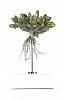

NIC BLADEN, Cheiridopsis purpurea
Bronze on crystal base, 21.5 x 12 x 14 cm
South African artist Nic Bladen is one of the world's finest botanical sculptors working today. Bladen strives to record the subtle and diverse biodiversity of his native Western Cape by creating unique bronze sculptures using the actual plant matter. Drawing on the ancient traditions of the lost wax method, Bladen has pioneered a new technique which has allowed him to render the finest organic details of his subjects.
Colloquially known as Hasieore, Cheiridopsis purpurea is a small tufted succulent that, when mature, forms large clumps or dwarf shrublets.
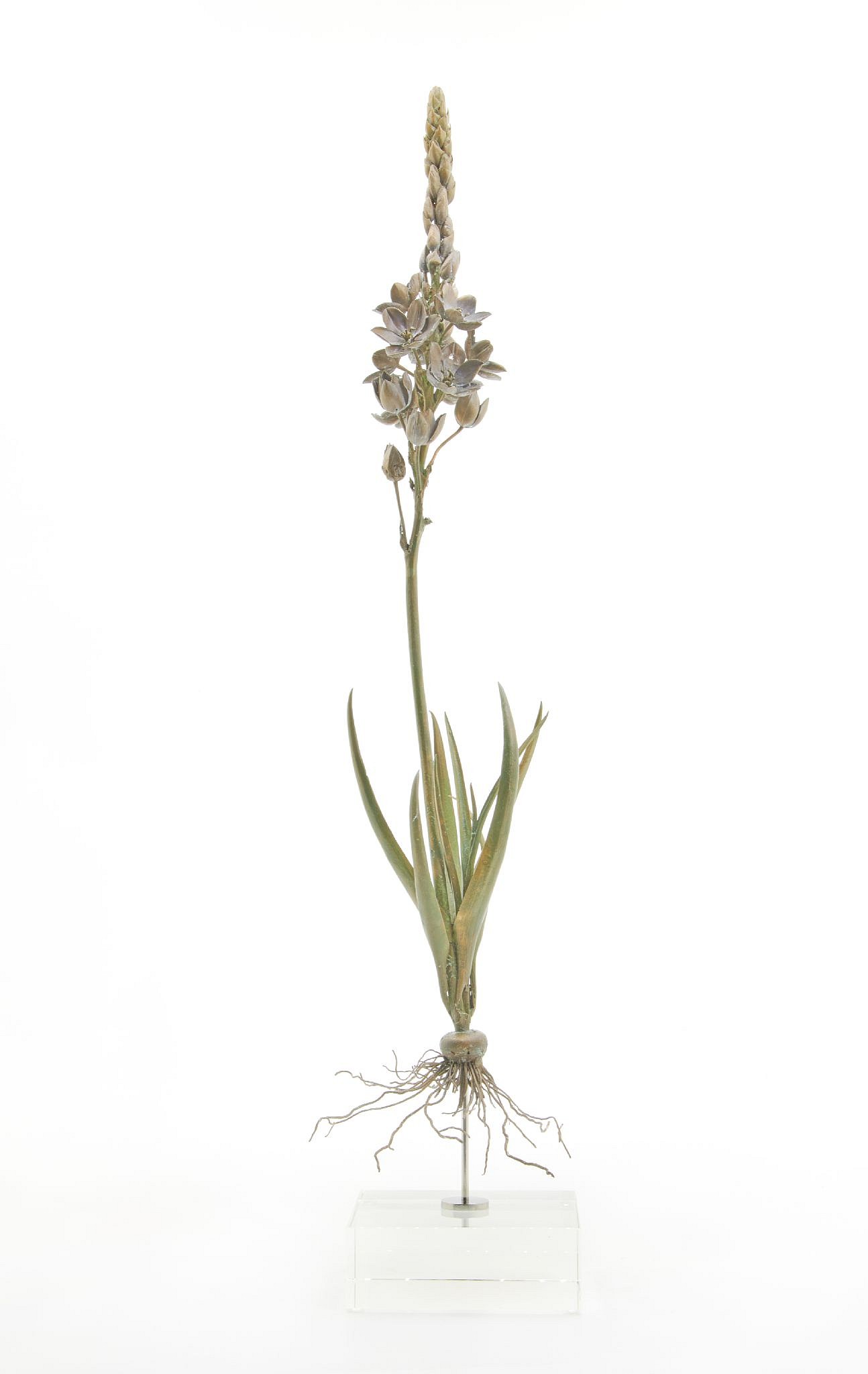

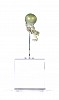
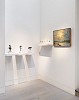
NIC BLADEN, Conophytum calculus
Bronze on crystal base, 12.5 x 5 x 5 cm
South African artist Nic Bladen is one of the world's finest botanical sculptors working today. Bladen strives to record the subtle and diverse biodiversity of his native Western Cape by creating unique bronze sculptures using the actual plant matter. Drawing on the ancient traditions of the lost wax method, Bladen has pioneered a new technique which has allowed him to render the finest organic details of his subjects.
Conophytum calculus, colloquially known as knopies (buttons) or toontjies (little toes), are humorous-looking `pebble plants' with unusual night-time opening flowers which have a delightfully spicy scent.

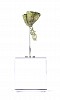
NIC BLADEN, Conophytum doscurum-sponsalbrum
Bronze on crystal base, 12.5 x 5 x 5 cm
South African artist Nic Bladen is one of the world's finest botanical sculptors working today. Bladen strives to record the subtle and diverse biodiversity of his native Western Cape by creating unique bronze sculptures using the actual plant matter. Drawing on the ancient traditions of the lost wax method, Bladen has pioneered a new technique which has allowed him to render the finest organic details of his subjects.
Conophytum is a genus of South African and Namibian succulent plants that belong to the family Aizoaceae. The name is derived from the Latin conus (cone) and Greek phytum (plant). The plants are also known as knopies (buttons in Afrikaans), waterblasies (water blisters in Afrikaans), sphaeroids, conos, cone plants, dumplings, or button plants.


NIC BLADEN, Conophytum putchellum
Bronze on crystal base, 13 x 5 x 5 cm
South African artist Nic Bladen is one of the world's finest botanical sculptors working today. Bladen strives to record the subtle and diverse biodiversity of his native Western Cape by creating unique bronze sculptures using the actual plant matter. Drawing on the ancient traditions of the lost wax method, Bladen has pioneered a new technique which has allowed him to render the finest organic details of his subjects.
Conophytum is a genus of South African and Namibian succulent plants that belong to the family Aizoaceae. The name is derived from the Latin conus (cone) and Greek phytum (plant). The plants are also known as knopies (buttons in Afrikaans), waterblasies (water blisters in Afrikaans), sphaeroids, conos, cone plants, dumplings, or button plants.

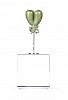
NIC BLADEN, Conophytum rotem-namies
Bronze on crystal base, 12 x 5 x 5 cm
South African artist Nic Bladen is one of the world's finest botanical sculptors working today. Bladen strives to record the subtle and diverse biodiversity of his native Western Cape by creating unique bronze sculptures using the actual plant matter. Drawing on the ancient traditions of the lost wax method, Bladen has pioneered a new technique which has allowed him to render the finest organic details of his subjects.
Conophytum is a genus of South African and Namibian succulent plants that belong to the family Aizoaceae. The name is derived from the Latin conus (cone) and Greek phytum (plant). The plants are also known as knopies (buttons in Afrikaans), waterblasies (water blisters in Afrikaans), sphaeroids, conos, cone plants, dumplings, or button plants.

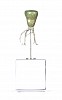

NIC BLADEN, Conophytum sp.
Bronze on crystal base, 13 x 5 x 5 cm
South African artist Nic Bladen is one of the world's finest botanical sculptors working today. Bladen strives to record the subtle and diverse biodiversity of his native Western Cape by creating unique bronze sculptures using the actual plant matter. Drawing on the ancient traditions of the lost wax method, Bladen has pioneered a new technique which has allowed him to render the finest organic details of his subjects.
Conophytum is a genus of South African and Namibian succulent plants that belong to the family Aizoaceae. The name is derived from the Latin conus (cone) and Greek phytum (plant). The plants are also known as knopies (buttons in Afrikaans), waterblasies (water blisters in Afrikaans), sphaeroids, conos, cone plants, dumplings, or button plants.


NIC BLADEN, Crassula pyramidalis
Bronze on crystal base, 18.5 x 5 x 5 cm
South African artist Nic Bladen is one of the world's finest botanical sculptors working today. Bladen strives to record the subtle and diverse biodiversity of his native Western Cape by creating unique bronze sculptures using the actual plant matter. Drawing on the ancient traditions of the lost wax method, Bladen has pioneered a new technique which has allowed him to render the finest organic details of his subjects.
Crassula pyramidalis, colloquially known as Koesnaatjie or Rygbossie, is found in the succulent Karoo, on coastal plains, dry Fynbos and hill-tops on quartzitic sand stone pavement, either in summer or winter rainfall areas.

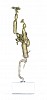


NIC BLADEN, Curio articulatus
Bronze on crystal base, 32 x 8 x 8 cm
South African artist Nic Bladen is one of the world's finest botanical sculptors working today. Bladen strives to record the subtle and diverse biodiversity of his native Western Cape by creating unique bronze sculptures using the actual plant matter. Drawing on the ancient traditions of the lost wax method, Bladen has pioneered a new technique which has allowed him to render the finest organic details of his subjects.
Curio articulates, known commonly as Candle Plant or Hot Dog Cactus, is a deciduous succulent species that forms a somewhat sprawling clump 22-40 cm high by 30 cm or more wide and spreads by tubers which form an underground scaffolding, an anchoring system.

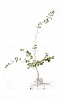

NIC BLADEN, Dovyalis Caffra (""Kei Apple""
Bronze on crystal base, 125 x 85 x 73 cm
Nic Bladen is regarded as one of the world’s finest botanical sculptors working today. Through
the alchemical process that transpires in his studio’s furnaces, he can produce delicate artistic
reconstructions of astoundingly beautiful flowering plants.
The precision and care that goes into casting and reconstructing lifelike replicas is immense, and Bladen has become a master of his craft. Central to Bladen’s mission is a desire to preserve the singular beauty of plants, and through his sculptures (all unique casts) the artist shines a light on the subtle and diverse beauty of the plants of his native Western Cape. We are more sensitized to their extraordinary beauty given the indications that their home is within a region that is profoundly affected by climate change.




NIC BLADEN, Euphorbia caerulescens
Bronze on crystal base, 52.3 x 20 x 26 cm
South African artist Nic Bladen is one of the world's finest botanical sculptors working today. Bladen strives to record the subtle and diverse biodiversity of his native Western Cape by creating unique bronze sculptures using the actual plant matter. Drawing on the ancient traditions of the lost wax method, Bladen has pioneered a new technique which has allowed him to render the finest organic details of his subjects.
Euphorbia caerulescens, colloquially known as Wolfsmelk, occurs on rocky outcrops mostly on northern slopes of hills and mountains, occasionally found on hilltops and in other habitats. It is often the dominant or sub-dominant species of much of the vegetation which practically covers large tracts of country.

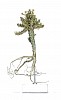


NIC BLADEN, Euphorbia caput-medusaea
Bronze on crystal base, 38.5 x 19 x 20 cm
South African artist Nic Bladen is one of the world's finest botanical sculptors working today. Bladen strives to record the subtle and diverse biodiversity of his native Western Cape by creating unique bronze sculptures using the actual plant matter. Drawing on the ancient traditions of the lost wax method, Bladen has pioneered a new technique which has allowed him to render the finest organic details of his subjects.
Euphorbia caput-medusae is a sprawling, succulent shrub that resembles the head of Medusa, with a rosette of narrow, serpent-like stems arising from a short, central caudex. The whole plant sometimes exceed 1 metre in diameter, but more frequently is about 40-70 cm wide. Look down into a large specimen, you'll see what looks like a sun flower and an example of a Fibonacci spiral.

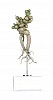


NIC BLADEN, Euphorbia globosa
Bronze on crystal base, 22.5 x 8 x 9 cm
South African artist Nic Bladen is one of the world's finest botanical sculptors working today. Bladen strives to record the subtle and diverse biodiversity of his native Western Cape by creating unique bronze sculptures using the actual plant matter. Drawing on the ancient traditions of the lost wax method, Bladen has pioneered a new technique which has allowed him to render the finest organic details of his subjects.
The Eastern Cape Province is home to the charming and spineless Euphorbia globosa, colloquially known as Eierpol or Knopmelkbol. This dwarf succulent, from a near distance, appears as an arrangement of green, scaly marbles supported by brown-grey marbles underneath. The top spherical bodies are topped with a stalked crown, from which flowering occurs and to which another marble-like body is added. This results in a fairly spread cluster of balls, and when cultivated, makes a beautiful potted plant.

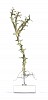

NIC BLADEN, Euphorbia hamata
Bronze on crystal base, 47.3 x 14.5 x 15 cm
South African artist Nic Bladen is one of the world's finest botanical sculptors working today. Bladen strives to record the subtle and diverse biodiversity of his native Western Cape by creating unique bronze sculptures using the actual plant matter. Drawing on the ancient traditions of the lost wax method, Bladen has pioneered a new technique which has allowed him to render the finest organic details of his subjects.
Euphorbia hamata, colloquially known as Olifantmelkbos or Elephants Milk Bush, is a thornless low-growing succulent, bushily branched from the base, sometimes forming large dense twisted masses 30(-45) cm high and 45 cm in diameter with small green to reddish flowers at the growing points. It is used in some areas as an excellent fodder plant especially for cattle.

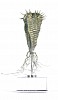


NIC BLADEN, Euphorbia horrida
Bronze on crystal base, 22 x 10.5 x 12 cm
South African artist Nic Bladen is one of the world's finest botanical sculptors working today. Bladen strives to record the subtle and diverse biodiversity of his native Western Cape by creating unique bronze sculptures using the actual plant matter. Drawing on the ancient traditions of the lost wax method, Bladen has pioneered a new technique which has allowed him to render the finest organic details of his subjects.
Euphorbia horrida is a spiny succulent shrub with irregular basally clumping stems. In age it will forms tight clumps of upright columns up to a metre wide that closely resemble some cactus species. It also has clustered crowns of somewhat ferocious spines much like the true cacti.

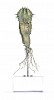


NIC BLADEN, Euphorbia polygona
Bronze on crystal base, 22.8 x 8 x 9 cm
South African artist Nic Bladen is one of the world's finest botanical sculptors working today. Bladen strives to record the subtle and diverse biodiversity of his native Western Cape by creating unique bronze sculptures using the actual plant matter. Drawing on the ancient traditions of the lost wax method, Bladen has pioneered a new technique which has allowed him to render the finest organic details of his subjects.
Euphorbia polygona is a characteristic feature in the vegetation of the eastern Cape from Uitenhage to Albany division, and often it is locally dominant in very rocky areas where it grows socially especially on quartzite fields but is not so restricted to them.

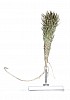


NIC BLADEN, Euphorbia schoenlandii
Bronze on crystal base, 46 x 20 x 35.5 cm
South African artist Nic Bladen is one of the world's finest botanical sculptors working today. Bladen strives to record the subtle and diverse biodiversity of his native Western Cape by creating unique bronze sculptures using the actual plant matter. Drawing on the ancient traditions of the lost wax method, Bladen has pioneered a new technique which has allowed him to render the finest organic details of his subjects.
Euphorbia schoenlandii is a small pickle shaped succulent srublet with prominent spiny tubercles, sometimes resembling a green pineapple, it is grows in open fields often on beach sand far enough from the present shoreline to support plant growth.




NIC BLADEN, Euphorbia stellata
Bronze on crystal base, 26 x 11.5 x 12 cm
South African artist Nic Bladen is one of the world's finest botanical sculptors working today. Bladen strives to record the subtle and diverse biodiversity of his native Western Cape by creating unique bronze sculptures using the actual plant matter. Drawing on the ancient traditions of the lost wax method, Bladen has pioneered a new technique which has allowed him to render the finest organic details of his subjects.
Euphorbia is a very large and diverse genus of flowering plants, commonly called spurge, in the family Euphorbiaceae. Euphorbias range from tiny annual plants to large and long-lived trees with perhaps the tallest being Euphorbia ampliphylla at 30 m (98 ft) or more. The genus has roughly 2,000 members, making it one of the largest genera of flowering plants.


NIC BLADEN, Faucaria tigrina
Bronze on crystal base, 13 x 7 x 7 cm
South African artist Nic Bladen is one of the world's finest botanical sculptors working today. Bladen strives to record the subtle and diverse biodiversity of his native Western Cape by creating unique bronze sculptures using the actual plant matter. Drawing on the ancient traditions of the lost wax method, Bladen has pioneered a new technique which has allowed him to render the finest organic details of his subjects.
Faucaria tigrina, this somewhat ferocious-looking succulent gets its name, tiger-jaws, from the appearance of the toothed, triangular shaped leaves which seem to drip with 'saliva' and are held ajar in a menacing poise.
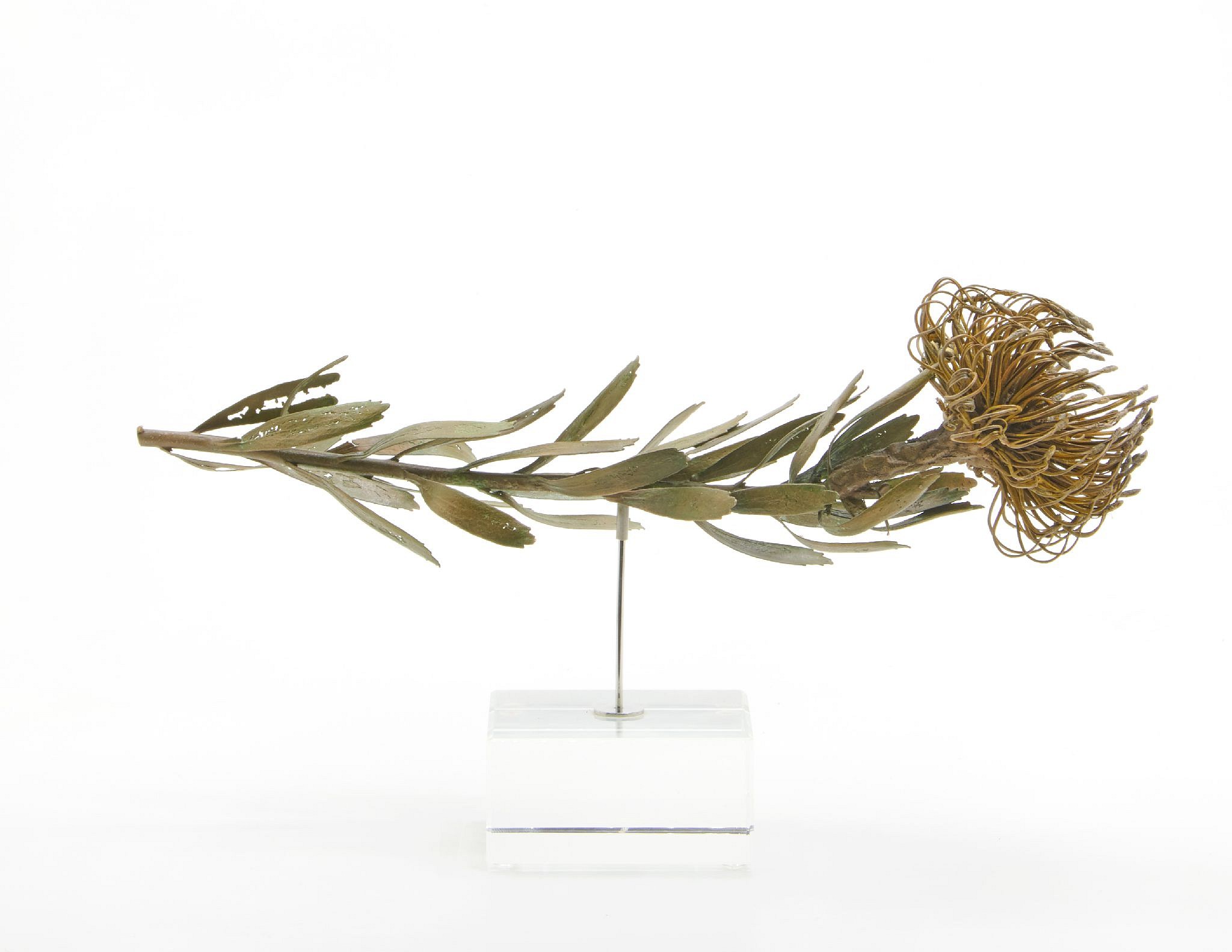


NIC BLADEN, Lithops sp. (ii)
Bronze on crystal base, 18.2 x 5 x 5 cm
South African artist Nic Bladen is one of the world's finest botanical sculptors working today. Bladen strives to record the subtle and diverse biodiversity of his native Western Cape by creating unique bronze sculptures using the actual plant matter. Drawing on the ancient traditions of the lost wax method, Bladen has pioneered a new technique which has allowed him to render the finest organic details of his subjects.
Lithops is a genus of succulent plants in the ice plant family, Aizoaceae. Members of the genus are native to southern Africa. They avoid being eaten by herbivores with their camouflage as small stones, and are often known as pebble plants or living stones.

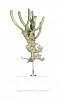

NIC BLADEN, Monilaria moniliformis
Bronze on crystal base, 22 x 8 x 10.5 cm
South African artist Nic Bladen is one of the world's finest botanical sculptors working today. Bladen strives to record the subtle and diverse biodiversity of his native Western Cape by creating unique bronze sculptures using the actual plant matter. Drawing on the ancient traditions of the lost wax method, Bladen has pioneered a new technique which has allowed him to render the finest organic details of his subjects.
Monilaria moniliformis, colloquially known as Bobbejaanvingers, occurs on quartz and rocky sites in the Knersvlakte and on rocks near the coast.

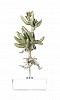
NIC BLADEN, Namaquatus vanheerdei
Bronze on crystal base, 28.2 x 12 x 12.5 cm
South African artist Nic Bladen is one of the world's finest botanical sculptors working today. Bladen strives to record the subtle and diverse biodiversity of his native Western Cape by creating unique bronze sculptures using the actual plant matter. Drawing on the ancient traditions of the lost wax method, Bladen has pioneered a new technique which has allowed him to render the finest organic details of his subjects.
Namaquanthus is a genus of flowering plants belonging to the family Aizoaceae. It contains a single species, Namaquanthus vanheerdei and its native range is South Africa.
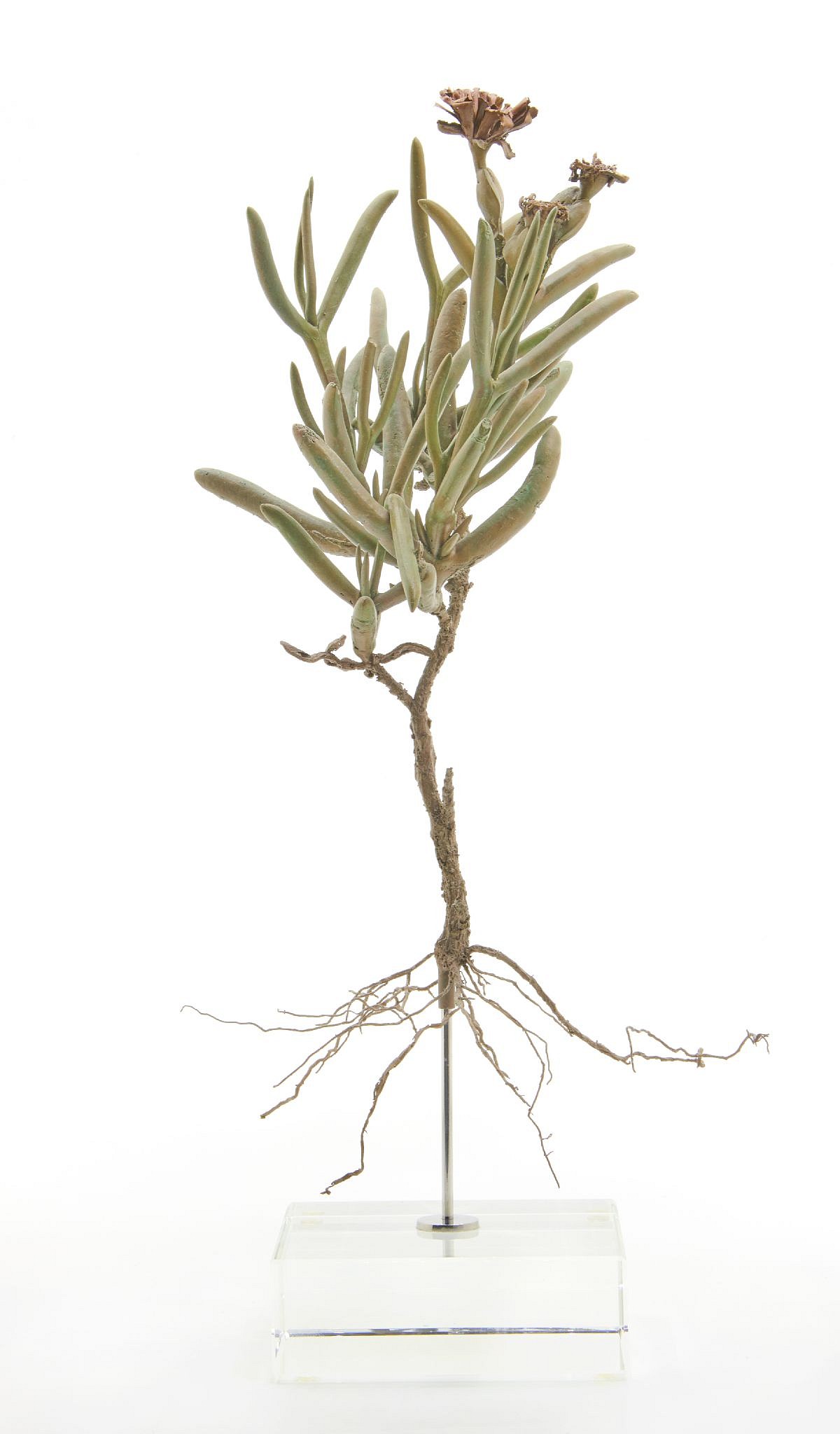

NIC BLADEN, Sarcocaulon crassicaule
Bronze on crystal base, 19.6 x 6 x 10.5 cm
South African artist Nic Bladen is one of the world's finest botanical sculptors working today. Bladen strives to record the subtle and diverse biodiversity of his native Western Cape by creating unique bronze sculptures using the actual plant matter. Drawing on the ancient traditions of the lost wax method, Bladen has pioneered a new technique which has allowed him to render the finest organic details of his subjects.
Sarcocaulon crassicaule is a perennial, deciduous, succulent shrublet, mainly low-growing, with short branches. It will drop it's leaves readily during drought periods and leaf and flower when water is available. The plant resembles a small tree and is very suitable for bonsai but always an attractive plant.


NIC BLADEN, Titanopsis primosii
Bronze on crystal base, 12.6 x 5 x 5 cm
South African artist Nic Bladen is one of the world's finest botanical sculptors working today. Bladen strives to record the subtle and diverse biodiversity of his native Western Cape by creating unique bronze sculptures using the actual plant matter. Drawing on the ancient traditions of the lost wax method, Bladen has pioneered a new technique which has allowed him to render the finest organic details of his subjects.
The delicate, frosted wafers of Titanopsis promosii grows thickly nestled into greysh-white pebbles and gravel which this Titanopsis resembles to an unbelievable degree, this camouflage allows them to escape detection and is a very effective strategy for escaping predation.





Specialists in contemporary art from South Africa. Established in 1913. South African artists are part of the global conversation. We seek to make their voices heard.